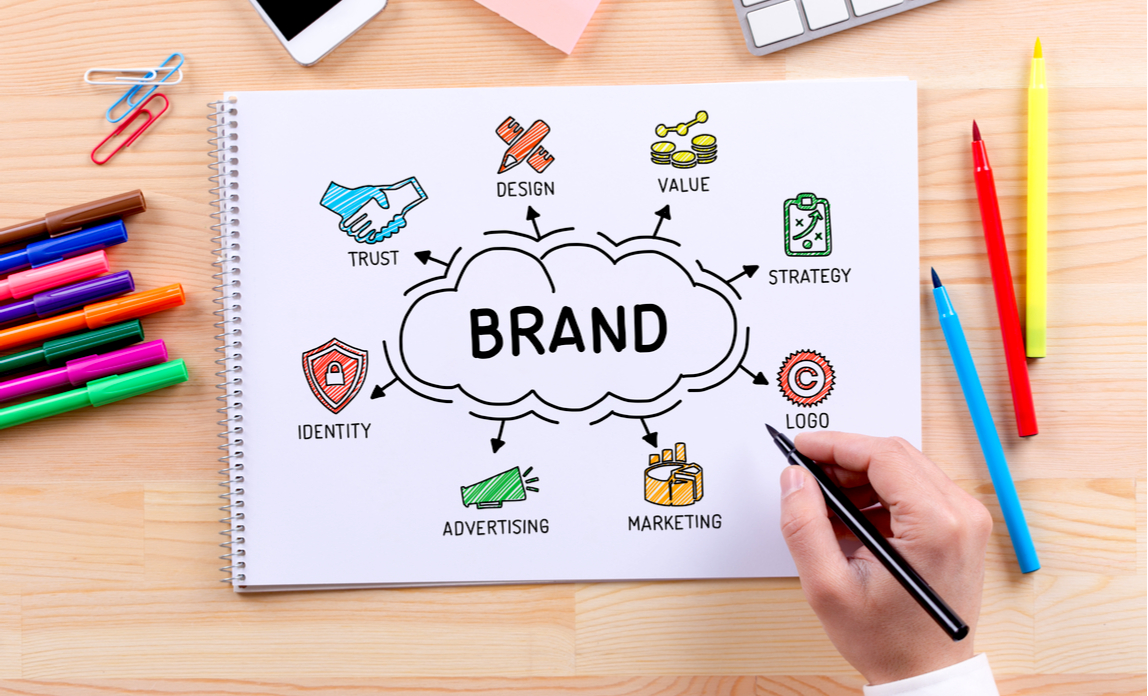
April 19, 2026

branding

Delving into the realm of design definition literature, this exploration unravels the multifaceted nature of design, from its historical roots to its contemporary applications. We’ll journey through diverse design disciplines, examining the core principles and methodologies that shape design thinking across various fields.

This guide provides a structured overview of design principles, including their evolution, key figures, and practical applications. It examines the relationship between design, aesthetics, functionality, and user experience, exploring how these elements intertwine to create effective and impactful design solutions.

Defining Design

Design, in its broadest sense, is a multifaceted process encompassing the conceptualization, planning, and realization of a product, service, or experience. It’s not merely about aesthetics, but a systematic approach to problem-solving, aimed at creating solutions that are functional, user-friendly, and aligned with societal needs. This definition encompasses various disciplines, from graphic design to industrial design, and ultimately, user experience (UX) design.Design, as a field, has evolved significantly over time, adapting to changing technological landscapes and evolving societal values.

The fundamental principles of design, however, remain consistent – focusing on creating purposeful and impactful outcomes.

Comprehensive Definition of Design

Design is a structured approach to problem-solving, driven by an understanding of user needs and technological possibilities. It transcends the mere application of aesthetics, incorporating functional considerations, user experience, and the cultural context. Design is not confined to tangible products; it encompasses intangible concepts like services and processes. This broad perspective emphasizes the holistic nature of design, emphasizing the integration of aesthetics, functionality, and user experience.

Historical Evolution of Design Principles and Theories

The evolution of design principles reflects shifts in societal values and technological advancements. Early design focused on craftsmanship and the creation of beautiful objects, often dictated by the patron’s needs. With industrialization, mass production introduced the need for standardized design principles, leading to the development of principles like harmony, balance, and proportion. The rise of digital technologies and the increasing importance of user-centered design have further refined these principles, emphasizing iterative design processes and user feedback.

The study of Gestalt psychology significantly influenced modern design thinking, introducing concepts like proximity, similarity, and closure, enabling designers to create more effective and intuitive designs.

Design and Aesthetics, Functionality, and User Experience

Design’s relationship with aesthetics, functionality, and user experience is deeply intertwined. Aesthetics contribute to the visual appeal and emotional impact of a design. Functionality ensures that the design serves its intended purpose effectively and efficiently. User experience (UX) focuses on the overall interaction and satisfaction a user derives from the design. A well-designed product balances these elements, creating a seamless and satisfying experience.

Key Elements of Design Thinking

Design thinking is a human-centered problem-solving approach that focuses on understanding user needs and developing innovative solutions. It typically involves five key stages:

  • Empathize: Understanding the needs, motivations, and pain points of the users.
  • Define: Clearly articulating the problem to be solved.
  • Ideate: Generating a range of potential solutions.
  • Prototype: Creating tangible representations of the solutions.
  • Test: Gathering feedback and refining the design based on user interaction.

These iterative steps enable designers to create user-centered solutions.

Design’s Impact on Societal and Cultural Contexts

Design has a profound impact on societal and cultural contexts. It can shape perceptions, influence behavior, and drive innovation. For example, the design of public spaces can enhance social interaction and promote community well-being. Product design can improve accessibility for diverse populations. Furthermore, design can be a powerful tool for cultural expression, reflecting and shaping societal values.

Consider the design of a website, which can communicate brand values and connect with a target audience.

Literature Review on Design

A comprehensive review of design literature provides crucial insights into the evolution of design thinking, methodologies, and philosophies. This exploration examines key figures, schools of thought, and the role of criticism in shaping design discourse. It also investigates the significance of design methodologies and the use of case studies in informing future design practices.This review aims to offer a structured overview of the field, allowing for a deeper understanding of design’s multifaceted nature and its enduring influence on society.

Prominent Figures and Schools of Thought

Design history is rich with influential figures and diverse schools of thought. Understanding these figures and their contributions is essential to grasping the development of design principles and approaches. Key figures include, but are not limited to, Louis Sullivan, who championed the “form follows function” principle, and Bauhaus designers like Walter Gropius and Mies van der Rohe, who advocated for a holistic approach to design.

Other notable figures, such as Charles and Ray Eames, explored innovative materials and production methods, shaping the evolution of industrial design.

Comparison of Design Philosophies and Approaches

Different design philosophies and approaches offer various perspectives on the design process. A comparison of these approaches highlights their unique strengths and weaknesses. For instance, the Bauhaus school emphasized functionality and aesthetics, while the Arts and Crafts movement focused on handcrafted design and the use of natural materials. Contemporary design approaches often incorporate elements from these historical movements, creating a blend of traditional and modern perspectives.

Significance of Design Criticism

Design criticism plays a vital role in shaping design discourse. Critiques offer valuable insights into design intentions, aesthetic choices, and the broader cultural context in which designs are produced and consumed. The role of design criticism is to not only analyze the work itself but also to examine its impact on society and culture. A strong example of this can be found in the writings of architectural critics who, for example, analyze how buildings interact with their surroundings.

Overview of Design Methodologies

Various design methodologies exist, each offering a unique framework for tackling design challenges. These methodologies often involve iterative processes of research, ideation, prototyping, and testing. For instance, the Design Thinking methodology emphasizes empathy and user-centered design principles. Other approaches, like the human-centered design process, prioritize understanding user needs and motivations. Understanding the strengths and limitations of different methodologies is crucial for selecting the most appropriate approach for a particular design problem.

Importance of Design Case Studies

Design case studies provide valuable insights into successful and unsuccessful design projects. Examining case studies allows for a deeper understanding of the factors contributing to success or failure. By analyzing specific examples, designers can identify best practices and potential pitfalls. A successful example of a design case study is the analysis of the Apple Macintosh computer’s design and its impact on personal computing.

A well-researched case study offers actionable insights and helps to inform future design practices.

Design and Branding Strategy

Branding strategy is a crucial aspect of modern business, shaping how a company is perceived and remembered by its target audience. Effective branding relies heavily on a well-defined strategy that integrates design elements to create a cohesive and impactful brand identity. This process encompasses much more than just a logo; it involves crafting a unique narrative that resonates with consumers and builds lasting relationships.A robust branding strategy is essential for differentiating a company from its competitors in a crowded marketplace.

By carefully considering target audience needs, market trends, and competitive landscapes, companies can establish a compelling brand identity that fosters customer loyalty and drives sales. This identity is ultimately expressed through the meticulous application of design principles, making it an integral part of the overall brand experience.

Core Concepts of Branding Strategy

A successful branding strategy is underpinned by several core concepts. These concepts include defining a clear brand mission, values, and personality; understanding the target audience’s needs and preferences; and creating a consistent brand message across all touchpoints. A well-defined brand positioning statement is key to articulating a brand’s unique value proposition, highlighting its differentiation in the marketplace.

Role of Design in Building Brand Identity

Design plays a pivotal role in translating a brand’s essence into tangible experiences. Visual elements such as logos, typography, color palettes, and imagery collectively contribute to the brand’s overall aesthetic and emotional impact. Effective design choices create a consistent visual language that reinforces the brand’s message and values.

Design Elements Contributing to Brand Recognition and Memorability

Various design elements contribute to brand recognition and memorability. These include a distinctive logo, a consistent color palette, and a specific typeface. A well-crafted brand name, memorable tagline, and compelling imagery also play a critical role. These elements work together to create a cohesive brand identity that consumers can readily recognize and associate with the company. For example, the iconic swoosh of Nike or the golden arches of McDonald’s are immediately recognizable visual cues that represent their respective brands.

Examples of Successful Branding Strategies and Their Design Elements

Numerous brands have achieved success through well-executed branding strategies. Apple, for instance, is renowned for its minimalist design aesthetic, clean typography, and use of high-quality materials. This approach consistently resonates with its target audience, building a strong brand image. Similarly, Coca-Cola’s enduring popularity is attributed to its iconic red and white color scheme, distinctive bottle shape, and universally recognized logo.

Different Approaches to Developing Brand Guidelines

Developing comprehensive brand guidelines is essential for maintaining consistency across all brand touchpoints. These guidelines Artikel the usage of logos, typography, color palettes, imagery, and tone of voice. Different approaches to developing brand guidelines exist, each with its own strengths and weaknesses. For example, some companies opt for detailed, exhaustive brand style guides, while others use more concise guidelines that focus on key visual elements.

Impact of Design on Brand Perception and Customer Loyalty

Design significantly impacts brand perception and customer loyalty. A visually appealing and well-designed brand experience can create a positive impression on potential customers. A consistent and aesthetically pleasing brand identity can build trust and foster a sense of recognition, encouraging repeat business and fostering customer loyalty.

Comparison of Branding Strategies

Branding Strategy Visual Design Elements Target Audience Examples
Luxury High-quality materials, sophisticated imagery, elegant typography, muted color palettes Affluent consumers seeking exclusivity and status Gucci, Rolex, Chanel
Modern Clean lines, minimalist design, bold typography, vibrant color palettes Tech-savvy consumers seeking innovative and contemporary experiences Apple, Google, IKEA
Classic Timeless design, traditional imagery, recognizable logos, neutral color palettes Consumers seeking reliability and enduring quality Coca-Cola, IBM, Rolex

Design Principles in Practice

Design principles are not merely theoretical concepts; they are the bedrock upon which effective design in diverse fields is built. Their practical application is crucial for creating solutions that are not only aesthetically pleasing but also functional, user-friendly, and impactful. From the sleek lines of a product to the thoughtful layout of a website, design principles provide a framework for achieving these goals.Applying design principles thoughtfully allows designers to create solutions that resonate with users and achieve their intended objectives.

The key is understanding how to adapt these principles to specific contexts, considering factors like user needs, target audience, and the overall design goals. This adaptable approach is what differentiates a good design from a great one.

Application Across Diverse Fields

Design principles are not limited to a single discipline. Their application spans a broad spectrum of fields, from product design to environmental design, each with its unique challenges and opportunities. In product design, principles like ergonomics, usability, and aesthetics are paramount. In environmental design, principles like accessibility, sustainability, and spatial organization are vital for creating spaces that meet the needs of the users.

A Table of Design Principles in Different Contexts

The table below illustrates how design principles are applied across various design contexts. It highlights the key considerations and the impact of different principles on user experience.

Design Context Key Design Principles Example Application
Web Design Usability, accessibility, visual hierarchy, information architecture Intuitive navigation, clear call-to-actions, and a logical flow of information on a website.
Packaging Design Branding, visual communication, product identification, material selection Attractive and informative packaging that effectively communicates the product’s value proposition and brand identity.
Product Design Ergonomics, functionality, aesthetics, sustainability A product that is easy to use, comfortable to hold, and aesthetically pleasing, while also being environmentally friendly.
Environmental Design Spatial organization, accessibility, sustainability, aesthetics Public spaces designed to be inclusive, sustainable, and visually appealing, considering factors such as accessibility for people with disabilities.

User-Centered Design in Contemporary Practice

User-centered design (UCD) has become a cornerstone of contemporary design practice. This approach prioritizes understanding the needs and desires of the end-user throughout the design process. It emphasizes empathy, research, and iterative refinement, resulting in solutions that are more effective and satisfying for the user. UCD is not merely a trend; it’s a fundamental shift towards creating solutions that are not just aesthetically pleasing but genuinely useful and beneficial.

Visual Hierarchy and Design Effectiveness

Visual hierarchy is the arrangement of elements in a design to guide the user’s eye and establish a clear order of importance. A well-structured visual hierarchy enhances the clarity and effectiveness of a design. By strategically using size, color, contrast, and spacing, designers can direct the user’s attention to the most critical elements, ensuring the message is communicated effectively and efficiently.

Design Applied to Real-World Problems

Design thinking is increasingly being used to address real-world challenges. Designers are not just creating aesthetics; they are actively contributing to problem-solving in areas such as healthcare, education, and social impact. Examples include designing accessible transportation systems, developing user-friendly educational tools, or creating innovative solutions for environmental issues. The principles of design, when applied effectively, provide a powerful framework for addressing these complex problems.

Design Case Studies

Design case studies offer invaluable insights into the practical application of design principles and their impact on real-world problems. They provide tangible examples of how design thinking can be employed to create effective solutions, and illuminate the iterative nature of the design process. By examining successful projects, designers can learn from past experiences and develop a deeper understanding of the complexities involved in translating ideas into tangible outcomes.

The Role of Design in Problem-Solving

Design plays a crucial role in problem-solving by providing a structured approach to understanding complex issues and generating innovative solutions. Through a process of iterative refinement, designers identify the root causes of problems, explore potential solutions, and evaluate their effectiveness. This approach fosters a deeper understanding of the target audience’s needs and preferences, ultimately leading to more effective and user-centric outcomes.

A well-designed solution considers not only the technical aspects but also the human factors, leading to a more holistic and impactful outcome.

Summary of a Design Case Study: The Redesign of the Spotify App

Spotify, a leading music streaming service, underwent a significant redesign of its mobile application. This redesign focused on enhancing the user experience by improving navigation, visual appeal, and ease of use. The previous interface was perceived as cluttered and difficult to navigate.

The Design Process Involved

The design process involved a series of stages, beginning with user research to understand user behavior and pain points. This included interviews, surveys, and usability testing with a diverse group of users. Following this, the design team developed multiple iterations of the app’s interface, incorporating feedback from the user research. Prototypes were then created to allow for testing and further refinements.

User testing was integral throughout the entire design process, ensuring the final product was aligned with user expectations. The design team employed a human-centered design approach, placing user needs at the forefront of the development process.

Impact on the Target Audience

The redesigned Spotify app led to a noticeable increase in user engagement and satisfaction. Users reported a more intuitive and enjoyable experience, finding the app easier to navigate and use. Improved navigation contributed to increased user satisfaction and retention. This increase in user satisfaction translated into a significant boost in user engagement, which was further supported by intuitive design elements.

Design Choices Made and Rationale

Key design choices included simplifying the navigation structure, enhancing the visual hierarchy, and improving the overall visual aesthetic. The design team chose to reduce the number of cluttered elements to streamline the interface and improve user flow. This resulted in a cleaner and more visually appealing interface, which was well-received by users. Color palettes were carefully selected to create a consistent and harmonious experience.

Key Takeaways

  • User-centered design is crucial for creating effective solutions.
  • Iterative design processes are essential for refining solutions.
  • Understanding user needs is paramount for success.
  • A well-structured design process leads to tangible results.
  • Visual appeal and ease of use contribute to user satisfaction.

Design and Technology

The relationship between design and technology is a dynamic and ever-evolving one. Technology consistently reshapes design trends, impacting not only the aesthetic but also the functionality and accessibility of products and services. This influence extends to the very processes designers employ, prompting a constant adaptation to new tools and methodologies.Technology’s influence on design is multifaceted, affecting everything from the initial ideation phase to the final production.

Designers now have access to sophisticated software, advanced manufacturing techniques, and a wealth of data that enables them to create innovative solutions. This interplay between creativity and technology fosters the development of user-centric designs, pushing the boundaries of what is possible.

Impact on Design Trends

Technological advancements have consistently driven shifts in design aesthetics and functionalities. The rise of personal computing, for instance, led to a surge in digital design tools, fostering new visual styles and interactive experiences. Similarly, the increasing accessibility of 3D printing has democratized manufacturing, allowing designers to prototype and produce intricate designs with unprecedented ease.

Intersection with Emerging Technologies

The convergence of design with emerging technologies like Artificial Intelligence (AI), Virtual Reality (VR), and Augmented Reality (AR) is a significant development. AI, with its capacity for data analysis and pattern recognition, can assist designers in optimizing designs for specific user needs. VR and AR offer immersive experiences, allowing designers to visualize and test products in realistic settings, enabling greater user engagement and feedback collection.

For example, the use of AI-powered tools for generating design variations or predicting user behavior is already impacting product development in various sectors, including fashion and automotive.

Impact on Design Processes

Technology is transforming design processes across all phases. Digital tools for prototyping, simulation, and user testing offer greater efficiency and speed. Collaboration tools allow designers to work together remotely, regardless of geographical location. This streamlined approach not only improves efficiency but also fosters innovation through cross-functional teamwork.

Impact on Design Outcomes

The outcomes of design are profoundly impacted by technology. Interactive digital products, for instance, benefit from the ability to incorporate dynamic elements and user feedback in real-time. Smart products, designed with embedded technology, can adapt to user needs and preferences, resulting in more personalized and intuitive experiences. This adaptability is crucial in rapidly changing markets and consumer demands.

Challenges and Opportunities

The convergence of design and technology presents both challenges and opportunities. The rapid pace of technological advancements necessitates continuous learning and adaptation for designers. Addressing issues like data privacy and algorithmic bias in AI-powered design tools is critical. Conversely, the integration of technology opens doors to unprecedented design possibilities, enabling the creation of highly personalized and innovative products and services.

Concluding Remarks

In conclusion, this comprehensive overview of design definition literature highlights the dynamic and ever-evolving nature of design. From its historical context to its future implications, this exploration underscores the profound impact design has on our world. By understanding the core principles, methodologies, and case studies, we gain a deeper appreciation for the power of design to shape our lives and experiences.

Common Queries

What is the difference between graphic design and industrial design?

Graphic design focuses on visual communication, using typography, imagery, and layout to convey messages. Industrial design, on the other hand, focuses on the design of physical products, considering factors like ergonomics, materials, and manufacturing processes.

How does technology influence design trends?

Technological advancements often drive new design trends, providing new tools and possibilities for creative expression. For example, the rise of digital media has significantly altered the landscape of graphic design.

What is the role of user-centered design?

User-centered design prioritizes the needs and preferences of the user throughout the design process. It emphasizes understanding user behaviors and motivations to create solutions that are effective and satisfying.

What are some common design methodologies?

Common design methodologies include design thinking, user-centered design, and human-centered design. These methodologies offer structured approaches to problem-solving and idea generation.

Branding iron kerrville is not just a tool; it’s a symbol of local heritage and craftsmanship. In Kerrville, branding irons play a significant role in various industries, from ranching to artisanal crafts, making a mark that is both literal and figurative. With a rich history steeped in tradition, these tools have evolved, showcasing the unique blend of old-world craftsmanship and modern design.

In Kerrville, the use of branding irons extends beyond mere functionality; they represent identity and pride within the community. As local artisans integrate these tools into their work, they not only enhance their products but also contribute to the region’s vibrant cultural tapestry.

Introduction to Branding Irons

Branding irons are essential tools in various industries, primarily utilized for creating distinctive marks or symbols on products, livestock, and other materials. Their primary purpose is to signify ownership, enhance brand recognition, and add a personalized touch to items. The benefits of using branding irons extend beyond mere identification; they also contribute to the aesthetic appeal of products, showcasing craftsmanship and quality.The history of branding techniques spans centuries and varies across different industries.

Initially used by ancient cultures, branding was a method to label livestock to prevent theft and establish ownership. In the modern era, branding has evolved into a powerful marketing tool, utilized in sectors such as leatherworking, woodworking, and even food production. From the traditional use of hot irons to modern laser engraving, the methods of branding have transformed, but the core principle of marking items remains the same.

Materials Commonly Used in the Production of Branding Irons

The production of branding irons involves various materials, each chosen for its durability, heat retention properties, and ability to create clear impressions. The most common materials include:

  • Steel: Known for its strength and heat conductivity, steel is a popular choice for both hot and cold branding irons.
  • Brass: Often used for custom branding stamps, brass is favored for its resistance to corrosion and ability to produce detailed designs.
  • Aluminum: Lightweight and cost-effective, aluminum is sometimes used for less demanding applications, particularly in crafting prototypes.
  • Stainless Steel: This material is preferred for its resistance to rust and its ability to withstand high temperatures, making it suitable for professional-grade branding irons.

The choice of material not only affects the quality of the impression but also influences the longevity and maintenance of the branding tool. Selecting the right material is crucial for achieving the desired results in branding applications.

“The choice of material for branding irons significantly impacts the quality and durability of the branding process.”

The Significance of Branding Irons in Kerrville

Branding irons hold a special place in Kerrville, Texas, a region known for its rich history in ranching and agriculture. These tools are not merely instruments for marking livestock; they symbolize a deep-rooted tradition that connects local culture with craftsmanship. The usage of branding irons in Kerrville reflects the community’s pride in its ranching heritage, and they serve as a testament to the artistry involved in creating uniquely designed brands.The significance of branding irons in Kerrville extends beyond their functional use.

They play a critical role in several local industries, where the art of branding is intertwined with the identity of businesses and individuals. Branding irons are commonly utilized in various sectors, contributing to the local craftsmanship and economy.

Local Industries Utilizing Branding Irons

In Kerrville, several industries actively incorporate branding irons into their operations. The following sectors exemplify this usage:

  • Ranching and Livestock: The primary users of branding irons, ranchers in Kerrville brand their cattle to establish ownership and prevent theft. Each brand is distinctive, often designed to reflect family heritage.
  • Artisan Crafts: Local artisans often create custom branding irons for woodworkers and metalworkers, allowing them to mark their creations. This practice not only adds a personal touch but also enhances the value of handmade products.
  • Promotional Products: Businesses in Kerrville use branding irons to create unique promotional items and corporate gifts, further solidifying their brand identity in a competitive market.

Branding irons serve as a bridge between tradition and modern craftsmanship in these industries. They are not only essential tools but also pieces of art that reflect the character and uniqueness of Kerrville’s local craftsmanship.

“Branding irons are more than just tools; they are a vital part of our identity and heritage.”

The artistry involved in crafting branding irons is evident in the designs and techniques employed by local blacksmiths and metal artisans. Each branding iron is often custom-made, representing individual stories or family legacies. The process of creating these irons demands skill and creativity, reinforcing the importance of craftsmanship within the Kerrville community.Indeed, branding irons are a significant part of Kerrville’s culture, symbolizing not only ownership and tradition but also a commitment to quality and individuality in craftsmanship.

Types of Branding Irons Available

Branding

Branding irons are essential tools for marking livestock, products, and various surfaces with unique identifiers or designs. In Kerrville, where the ranching and artisanal culture thrives, understanding the different types of branding irons available can enhance your branding experience. This section will explore the various styles of branding irons, their specific uses, and the popular custom designs favored by local artisans and ranchers.

Varieties of Branding Irons and Their Uses

There are several types of branding irons utilized for different applications. Each type has its unique characteristics and is suited for specific branding needs. Here are the main categories:

  • Fire Branding Irons: Traditionally used in livestock branding, these irons are heated in a fire and applied to the hide to produce a permanent mark. They are favored for their durability and clear imprint.
  • Electric Branding Irons: These are electrically heated and allow for quicker and more consistent branding. They are often preferred for their precision and ease of use, especially in large-scale operations.
  • Cold Branding Irons: These are used with a freezing agent to mark livestock without burning the skin. Cold branding is popular for its humane approach, leaving a less painful mark.
  • Custom Branding Irons: Artisans in Kerrville frequently create bespoke branding irons featuring unique designs. These can include logos, initials, or customized symbols that represent a ranch or business.

Custom Branding Iron Designs Popular in Kerrville

Kerrville is well-known for its rich artistic culture, which reflects in the custom branding iron designs created by local artisans. Popular designs often incorporate elements intrinsic to Texas culture, such as the following:

  • Western Themes: Many branding irons feature symbols like cowboy hats, boots, or horses, emphasizing the ranching heritage of the area.
  • Logos and Initials: Custom branding irons with business logos or personal initials are favored by local businesses and ranchers to establish their unique identity.
  • Artistic Patterns: Some artisans create intricate designs that not only serve a branding purpose but also act as decorative pieces, showcasing local craftsmanship.

Differences Between Electric and Non-Electric Branding Irons

When choosing a branding iron, it’s important to consider whether to go with an electric or non-electric option. Each type has its advantages and disadvantages, which can impact its suitability for specific applications.

Type of Branding Iron Advantages Disadvantages
Electric Branding Irons Consistent temperature control, faster branding time, and less manual effort. Requires access to electricity, higher initial cost, and potential for overheating.
Fire Branding Irons Classic method, works well for livestock, and no need for electricity. Can take longer to heat, less precise temperature control, and risk of burns.
Cold Branding Irons Humane method, less painful for animals, and no risk of fire. Requires special freezing agents, which can be costly and must be handled carefully.

Choosing the right branding iron involves weighing the benefits of precision and convenience against traditional methods and their unique characteristics.

Custom Branding Iron Design Process

Creating a custom branding iron is an exciting venture that allows individuals and businesses to showcase their unique identity. The design process involves several key steps, each crucial for achieving a quality product tailored to your specifications. Whether for personal use or as a business branding tool, understanding this process can significantly enhance the final outcome.The custom branding iron design process typically involves the following steps: conceptualization, artwork development, material selection, and production.

Each phase is essential in ensuring the branding iron meets your expectations in terms of design, durability, and functionality.

Steps Involved in Design Process

The process of designing a custom branding iron can be broken down into distinct stages that facilitate careful planning and execution. Here’s a closer look at each step:

  • Conceptualization: This is where your ideas take shape. Consider what you want to communicate through your branding iron. Sketching out your ideas can help clarify your vision.
  • Artwork Development: Once you have a concept, the next step is to create a digital version of your design. This may involve using graphic design software to render your branding elements accurately.
  • Material Selection: The material you choose affects both the durability and the quality of the branding. Common options include steel and brass, each having its unique properties and suitability for different applications.
  • Prototype Creation: Before final production, a prototype is often made. This allows for testing and adjustments to ensure the design meets your expectations in terms of size, depth, and overall aesthetics.
  • Production: Once the prototype is finalized, the actual branding iron is produced using methods like CNC machining or laser engraving, ensuring precision and quality.

Tools and Technologies Used

The design and creation of custom branding irons utilize a variety of tools and technologies that enhance precision and efficiency. Some of the essential tools include:

  • Graphic Design Software: Programs like Adobe Illustrator or CorelDRAW are frequently used to create detailed vector designs, enabling accurate representation of your branding elements.
  • Laser Engravers: These machines offer high precision in creating intricate designs on the branding iron material.
  • CNC Machines: Computer Numerical Control (CNC) machines are employed for cutting and shaping the branding iron with precise dimensions and depths.
  • Heat Sources: Once the branding iron is created, it needs to be heated. Electric branding iron heat sources or propane torches are commonly used to ensure it reaches the necessary temperature for effective branding.

Tips for Creating Your Own Branding Designs

When embarking on the journey to create your own branding designs, there are several valuable tips to consider that can lead to a successful outcome:

  • Simplicity is Key: A simple design often translates better when branding. Complex details may not be as visible or clear on the final product.
  • Choose the Right Font: If your design includes text, opt for fonts that are bold and easy to read. Consider how the font will appear when burned into the material.
  • Test Your Design: Before finalizing, test your design on a similar material. This helps to identify any adjustments needed for clarity and impact.
  • Seek Professional Assistance: If you’re unsure about your design, consulting with a professional designer can provide valuable insights and help refine your concepts.
  • Consider the Size: Ensure your design fits well on the branding iron. A well-balanced size enhances the overall aesthetic and functionality.

Usage Techniques for Branding Irons

Branding irons are essential tools for marking livestock and personal belongings, providing a sense of ownership and identity. Proper usage not only ensures effective branding but also guarantees safety and longevity of the tool. Understanding the techniques for using branding irons is crucial for both beginners and seasoned users.

Step-by-step Guide for Proper Use

To achieve the best results when using a branding iron, follow this systematic approach to ensure your branding is clear and effective.

  1. Preparation: Gather all necessary equipment including the branding iron, fire source, and safety gear such as gloves and goggles. Ensure you have a clean, stable working surface.
  2. Heating the Iron: Depending on the type of branding iron, heat it in flames or an electric branding iron heater until it reaches the appropriate temperature. A well-heated iron will produce a crisp, clear mark.
  3. Testing: Before branding your livestock or belongings, test the iron on a scrap piece of material to ensure it’s at the right temperature and to check the clarity of the brand.
  4. Branding: Firmly press the heated iron onto the desired surface for a few seconds (usually 5-10 seconds, depending on the material). Apply consistent pressure to ensure an even mark.
  5. Removing the Iron: Gently lift the branding iron straight off the surface to avoid smudging the brand. Examine the mark for clarity.
  6. Post-use Care: Allow the branding iron to cool before cleaning. Once cool, wipe off any residue and store it in a safe, dry place.

Safety Precautions When Using Branding Irons

Safety is paramount when working with heated tools like branding irons. Adhering to the following precautions will help prevent accidents and injuries.

Always prioritize safety by wearing protective gear and handling heated tools carefully.

  • Wear heat-resistant gloves to protect your hands from burns.
  • Use goggles to shield your eyes from sparks and smoke.
  • Keep a fire extinguisher nearby in case of emergencies.
  • Ensure that your workspace is free from flammable materials to reduce fire hazards.
  • Avoid using the branding iron in confined spaces without proper ventilation.

Maintenance and Care for Longevity

Caring for your branding iron will extend its usability and effectiveness. Regular maintenance practices should be implemented to ensure your branding iron remains in excellent condition over time.

Proper maintenance not only prolongs the life of your branding iron but also enhances the quality of your branding.

To maintain your branding iron, consider these practices:

  • After each use, clean the branding iron with a wire brush or cloth to remove any residue. This prevents build-up that can affect future branding.
  • Store the branding iron in a dry location to prevent rusting. A protective case or pouch can also shield it from dust and damage.
  • Regularly inspect the branding iron for any signs of wear or damage. Replace or repair parts as necessary to ensure optimal performance.
  • Occasionally, re-season the branding iron if applicable, following the manufacturer’s instructions, to maintain its effectiveness.

Case Studies of Branding Iron Use

In Kerrville, branding irons have made a significant impact on local businesses by enhancing brand recognition and creating a unique identity. By incorporating branding irons into their operations, these businesses have been able to effectively communicate their values and craftsmanship. Below are some notable examples of how local artisans and companies have utilized branding irons to elevate their presence in the community.

Local Businesses Utilizing Branding Irons

Several businesses in Kerrville have embraced branding irons as a core part of their branding strategy. The following examples highlight their effective use of this traditional tool:

  • Hill Country Leatherworks: Known for handmade leather goods, this family-run business uses a custom branding iron to stamp their logo onto each product. This not only adds a personal touch but also reinforces their dedication to quality and craftsmanship. Customers often express their appreciation for the unique branding, which sets their products apart from mass-produced items.
  • Kerrville Coffee Company: The local coffee roastery employs branding irons to mark their wooden coffee scoops and bags. This thoughtful branding choice enhances their rustic aesthetic and reminds customers of their commitment to artisanal practices. Feedback indicates that customers love the tactile experience of using products that reflect the brand’s authenticity.
  • Rustic Charm Furniture: This furniture store utilizes branding irons on their custom pieces, allowing buyers to personalize their items. The branding not only creates a sense of ownership for customers but also serves as a conversation starter, increasing word-of-mouth referrals.

Impact on Brand Recognition

The use of branding irons has proven to be a powerful tool for enhancing brand recognition among Kerrville businesses. The following points illustrate the benefits achieved through this practice:

  • Brand Differentiation: By using unique branding irons, businesses can differentiate their products from competitors, making them easily recognizable in a crowded market.
  • Emotional Connection: Customers often feel an emotional connection to products that are stamped with a personalized branding iron, enhancing loyalty and repeat business.
  • Increased Visibility: Products with distinct branding are more likely to be shared on social media, increasing overall visibility and attracting new customers.

Testimonials from Local Artisans

Artisans in Kerrville have shared their positive experiences regarding the use of branding irons in their work. These testimonials highlight the value of branding irons in establishing a strong brand identity:

“Using a branding iron has allowed me to put my mark on my work. It’s not just about the product; it’s about telling the story behind it.”

Sarah, Hill Country Leatherworks

“My customers love knowing that each piece of furniture is uniquely branded. It adds a special touch that they can’t find anywhere else.”

Tom, Rustic Charm Furniture

“I’ve noticed that our custom branding has led to more online engagement. People love sharing photos of our products and mentioning us in their posts.”

Lisa, Kerrville Coffee Company

The case studies and testimonials from Kerrville businesses clearly illustrate the significant role branding irons play in fostering brand loyalty, recognition, and a sense of community among customers and artisans alike. Through thoughtful branding practices, these businesses continue to thrive, showcasing the timeless appeal of craftsmanship.

The Future of Branding Irons

As the branding iron industry continues to evolve, various emerging trends and technological advancements are poised to shape the future landscape of branding tools. With the rise of customization and innovative manufacturing techniques, branding irons are likely to see significant changes that enhance their functionality and appeal to a broader market. Technological advancements are transforming the way branding irons are produced and utilized, making them more accessible and efficient for users.

The integration of modern manufacturing techniques, such as 3D printing and laser engraving, is streamlining production processes and allowing for more intricate designs. In particular, the use of digital design software enables users to create highly customized branding irons that can cater to specific branding needs or personal preferences.

Emerging Trends in Branding Irons

The branding iron market is witnessing several noteworthy trends that reflect changing consumer preferences and technological advancements. Some key trends include:

  • Customization: Increased demand for personalized branding solutions is leading to a rise in custom branding irons. Consumers appreciate the ability to tailor designs to reflect their unique identity or business branding.
  • Eco-Friendly Materials: Sustainability is becoming a priority for many consumers. The use of eco-friendly materials in the production of branding irons is gaining traction, appealing to environmentally conscious buyers.
  • Portable and Multi-Use Designs: There is a growing interest in portable branding irons that can be used in various settings, from workshops to outdoor events. Additionally, multi-use branding tools that can apply heat to different surfaces are becoming more popular.
  • Digital Integration: The incorporation of digital features, such as smartphone connectivity for design adjustments, is on the rise. This technology enables users to modify and manage branding designs seamlessly.

Technological Advancements Impacting Branding Irons

The evolution of branding irons is closely linked to advancements in technology that enhance their effectiveness and usability. Notable innovations include:

  • 3D Printing: This technology allows for rapid prototyping and production of highly detailed branding irons, drastically reducing production time and costs while enabling unique designs.
  • Laser Engraving: Laser technology provides precision engraving capabilities, making it possible to create intricate logos and designs on various materials without the limitations of traditional methods.
  • Smart Branding Irons: Future branding irons may feature smart technology that allows users to adjust heat settings and design options directly from their smartphones or tablets, offering greater control and versatility.
  • Advanced Materials: The development of heat-resistant and lightweight materials can enhance the performance and durability of branding irons, making them more efficient and user-friendly.

Predictions for the Evolution of Branding Irons

As branding irons continue to adapt to market demands and technological progress, several predictions can be made regarding their future:

  • Increased Demand for Personalization: As consumers seek unique branding solutions, the market for personalized branding irons is expected to grow. This trend is likely to drive innovation in design and production methods.
  • Expansion into New Markets: With the rise of small businesses and the DIY culture, branding irons may find applications in various industries beyond livestock and traditional crafts, including food branding and artisanal products.
  • Enhanced User Experience: Future branding irons may focus on ergonomics and ease of use, integrating features that cater to both novice and experienced users, ensuring a better overall experience.
  • Global Market Growth: As technology becomes more accessible, the global market for branding irons is expected to expand, with emerging markets embracing branding as a crucial element of business identity.

As branding irons continue to innovate, their role in personal and business branding will only strengthen, allowing for creative expressions that resonate in a competitive landscape.

Resources for Purchasing Branding Irons

When it comes to investing in branding irons, having reliable resources is essential for ensuring you get the best quality and service. Kerrville offers a variety of local vendors and online platforms that specialize in these tools, making the purchasing process both accessible and efficient. Below is a detailed overview of options available for those looking to acquire branding irons.

Local Vendors in Kerrville

Kerrville is home to several local vendors that specialize in branding irons. Choosing local suppliers supports the community and often provides the advantage of personalized service and immediate product availability. Here are a few prominent vendors to consider:

  • Kerrville Metal Works
    -Known for custom metal fabrication, they offer a range of branding irons tailored to specific needs.
  • Hill Country Supply
    -This supplier specializes in agricultural tools, including branding irons suited for livestock and ranch use.
  • Texas Branding Irons
    -A local favorite that provides a variety of branding options, from traditional to modern designs.

Online Platforms for Purchasing Branding Irons

In addition to local vendors, several online platforms offer a wide selection of branding irons, making it easy to compare products and prices. Online shopping allows buyers to access a broader range of options and customer reviews. Consider the following platforms:

  • Amazon
    -Provides numerous listings of branding irons from various sellers, often with customer ratings and quick delivery options.
  • Etsy
    -A great marketplace for custom and handmade branding irons, allowing you to support small businesses while getting unique designs.
  • eBay
    -Offers both new and used branding irons, often at competitive prices, making it a viable option for budget-conscious buyers.

Considerations for Choosing the Right Branding Iron Supplier

Selecting the right supplier for your branding irons involves several important considerations to ensure you receive a product that meets your needs. Here are key factors to keep in mind:

  • Quality of Materials
    -Look for suppliers that use high-quality metals and materials to ensure durability and effectiveness.
  • Customization Options
    -If you need a specific design, check if the supplier offers customization services to create a branding iron that reflects your brand.
  • Customer Reviews
    -Consider feedback from previous customers to gauge the reliability and quality of the supplier’s products.
  • After-Sales Service
    -Assess the level of customer service provided, including warranties and support for any problems that may arise post-purchase.

Final Summary

In conclusion, branding iron kerrville encapsulates the essence of local craftsmanship, reflecting both tradition and innovation. As we look towards the future, the evolution of branding irons promises to further enrich the creative landscape of Kerrville, inviting new artisans to leave their mark in this thriving community.

General Inquiries

What are the primary uses of branding irons?

Branding irons are used for marking leather, wood, and other materials to create unique identifiers for products, showcasing brand identity.

How can I maintain my branding iron?

To maintain your branding iron, clean it after each use, avoid overheating, and store it in a dry place to prevent rust.

Can I create a custom branding iron?

Yes, many vendors offer customization options, allowing you to design branding irons to suit your specific needs and preferences.

Are there safety precautions when using branding irons?

Yes, always use heat-resistant gloves, work in a well-ventilated area, and ensure that the branding iron is placed on a stable surface to prevent accidents.

Where can I buy branding irons in Kerrville?

You can find branding irons at local craft shops, agricultural supply stores, and online marketplaces that specialize in custom tools.

Branding iron alphabet serves as a fascinating intersection of art, history, and functionality, inviting us to explore its rich legacy and contemporary applications. Originating from ancient traditions, these tools have evolved into vital components for livestock, artisans, and modern branding strategies, showcasing the remarkable versatility of branding iron alphabets across cultures.

From their inception in marking livestock to their artistic expressions in metalwork, branding iron alphabets embody both craftsmanship and creativity. With a compelling lineage, they continue to thrive in various industries, offering not only practical uses but also opportunities for personal expression and branding in a competitive marketplace.

Introduction to Branding Iron Alphabet

The branding iron alphabet is a unique and artistic method of marking or engraving letters and symbols on various materials, primarily used in the craft of branding. This technique has evolved through history, blending practical applications with artistic expression, and serves various purposes from identification to decoration. The beauty of the branding iron alphabet lies in its ability to create lasting impressions that carry both aesthetic and functional significance.Branding irons have a rich historical background, with origins tracing back to ancient civilizations where they were used for livestock marking, territorial claims, and craftsmanship identification.

Over time, the evolution of branding techniques has seen transformations influenced by cultural practices and technological advancements. From the early use of heated metal to modern adaptations, branding irons have played a pivotal role in numerous societies, symbolizing ownership, artistry, and innovation.

Materials and Techniques Used in Creating Branding Iron Alphabets

The process of creating branding iron alphabets involves careful selection of materials and specific techniques that ensure durability and precision in design. The primary materials used include metals like steel and brass due to their heat retention properties and strength, which are essential for achieving clear impressions. Additionally, wood and leather are often used as substrates for branding, requiring different care in the branding process compared to metals.The techniques employed in crafting branding iron alphabets include:

  • Metal Forging: This traditional method involves heating metal to high temperatures and shaping it into the desired letterforms, ensuring that each character is distinct and recognizable.
  • Laser Engraving: A modern approach, laser engraving allows for intricate designs and finer details, offering greater flexibility in terms of font choices and sizes.
  • Custom Molding: This technique uses molds to create branding irons with specific alphabets, enabling mass production of consistent designs.

In addition to materials and techniques, attention to detail in the design phase is crucial. The shapes, sizes, and styles of each letter are meticulously planned to ensure clarity and aesthetic appeal when the branding iron is used. Each branding iron can carry a unique identity, representing an individual or a brand, thus enhancing its significance in both historical and contemporary contexts.

Applications of Branding Iron Alphabet

The branding iron alphabet has a rich history and diverse range of applications that extend from traditional livestock marking to contemporary artisan crafts and modern business branding. Each application highlights the versatility and durability of branding iron alphabets, showcasing their significance in various fields.

Use of Branding Iron Alphabets in Livestock Marking

Branding iron alphabets play a crucial role in identifying livestock and preventing theft. Farmers and ranchers utilize these branding irons to mark their animals with unique symbols or letters that represent their ranch or business. This method not only aids in livestock identification but also serves as a legal means of ownership.

Livestock branding typically involves the following steps

Selection of Design

Ranchers choose a specific letter or symbol that is distinctive to their livestock operations.

Preparation of Branding Iron

The branding iron is crafted from durable materials such as steel, ensuring it can withstand high temperatures.

Branding Process

Once the iron is heated, it is pressed onto the animal’s skin, leaving a permanent mark. This is done carefully to avoid injury to the animal.The practice of using branding iron alphabets in livestock is not just practical; it’s also a tradition that has been passed down through generations, reinforcing the identity of ranches and their heritage.

Utilization in Artisan Crafts and Custom Metalwork

Artisan crafts and custom metalwork have embraced branding iron alphabets for personalization and artistic expression. Craftspeople use these tools to imprint names, dates, or unique designs onto their creations, adding a personal touch that resonates with customers.

The applications in artisan crafts include

Leather Goods

Makers of leather products often use branding irons to imprint logos or initials on wallets, belts, and bags, enhancing the product’s value and uniqueness.

Woodworking

Carpenters and woodworkers apply branding irons to mark their pieces with signatures or branding symbols, establishing authenticity and craftsmanship.

Metal Art

Artists working with metal can engrave their artwork or create custom signs using branding irons, making each piece distinctive.This practice not only elevates the aesthetic appeal of handmade items but also strengthens the connection between artisans and their clientele by emphasizing the story behind each creation.

Examples in Modern Branding Strategies for Businesses

In the modern business landscape, branding iron alphabets have found a niche in creating memorable and impactful brand identities. Companies use these tools to convey their brand’s ethos and values through tangible marks or symbols.

Businesses leverage branding iron alphabets in the following ways

Product Marking

Many companies incorporate branding irons to imprint their logos onto products, such as wood furniture or leather goods, delivering a sense of quality and durability.

Event Promotion

Branding irons can be used at corporate events to customize items like promotional giveaways, reinforcing brand recognition and interaction with clients.

Brand Storytelling

Businesses use branding iron marks to tell their story, often through unique designs that reflect their mission and heritage, which can resonate with customers on a deeper level.Such strategies not only enhance brand visibility but also create a lasting impression, fostering loyalty and connection with consumers. The integration of branding iron alphabets into branding practices exemplifies how traditional methods can be effectively modernized to meet contemporary needs.

Designing a Branding Iron Alphabet

Branding overview | Marketing Donut

Creating a custom branding iron alphabet is an exciting journey that combines creativity and functionality. This process allows businesses to establish a unique identity that stands out in a competitive market. A well-designed branding iron alphabet can convey a brand’s personality, making it essential for effective branding.The design process of a branding iron alphabet involves several key steps that ensure both aesthetic appeal and practical utility.

From selecting the right materials to finalizing the design, each step plays a crucial role in the effectiveness of the branding tool.

Steps for Designing a Custom Branding Iron Alphabet

The design of a branding iron alphabet must be approached methodically. Each step contributes to the overall success of the final product. Here are the fundamental steps to consider:

  1. Define the Purpose: Understand the specific needs of your branding. Are you using it for products, packaging, or promotional materials?
  2. Select the Material: Choose durable materials that can withstand high temperatures and still maintain precision. Common materials include brass, copper, and steel.
  3. Choose a Design Software: Utilize graphic design software that allows for detailed vector graphics, ensuring clarity in your designs.
  4. Incorporate Brand Elements: Include logos, icons, and specific brand colors to create a cohesive identity in the branding iron alphabet.
  5. Finalize the Design: Ensure all elements are aligned, legible, and visually appealing. Test different designs and get feedback from stakeholders.
  6. Create Prototypes: Before final production, create prototypes to test the branding iron’s effectiveness and adjust as necessary.

Tips for Selecting the Right Font and Size

Choosing the appropriate font and size is crucial for ensuring that your branding is effective and recognizable. Here are some vital considerations to guide your selection:

Legibility is paramount; a good design will not only be visually appealing but will also ensure that your brand name can be read quickly and easily.

Font Style

Select a font that reflects your brand personality. Serif fonts often convey tradition and reliability, while sans-serif fonts can project modernity and simplicity.

Size Matters

The size of the letters should be balanced. Too small can make the branding illegible, while too large can cause distortion during the branding process.

Test Variations

Experiment with different font sizes and styles to find the perfect combination that captures your branding essence without compromising on readability.

Importance of Legibility and Aesthetics in Branding Designs

Legibility and aesthetics are integral components of effective branding. A branding iron that is hard to read or visually cluttered can hinder brand recognition and customer engagement. Here’s why both elements are essential:

Clarity

A clear and easily readable brand name fosters trust and professionalism. Customers are more likely to engage with brands that present themselves clearly.

Visual Appeal

Aesthetics contribute to first impressions. An attractive branding design can capture attention and create positive associations with your brand.

Consistency

Maintaining legibility and aesthetics across all branding materials reinforces brand identity and helps establish a recognizable presence in the market.In summary, the design process for a branding iron alphabet requires careful thought and planning. From choosing materials and fonts to emphasizing legibility and aesthetics, each element plays a critical role in creating an effective branding tool that resonates with customers and stands the test of time.

Techniques for Creating Branding Irons

Crafting branding irons requires a combination of skilled metalworking techniques and an understanding of heat application methods. This section will delve into the detailed processes involved in creating effective branding irons, ensuring that your designs are both durable and functional. By mastering these techniques, you can produce high-quality branding irons that meet various branding needs.

Crafting a Branding Iron from Metal

The process of crafting a branding iron begins with selecting the right type of metal, typically steel or iron, due to their heat retention properties. The first step is to cut the metal to the desired shape and size. This can be accomplished using a variety of tools, such as band saws or plasma cutters, depending on the complexity of the design.

Once cut, the metal needs to be shaped and smoothed, often using a hammer and anvil or other metal shaping tools. The final step in the crafting process is to engrave or stamp the desired design onto the metal surface. This can be done using CNC machines or manual engraving tools to ensure precision and clarity.

Heating and Applying Branding Irons Effectively

Heating branding irons correctly is crucial for achieving optimal branding effectiveness. The typical heating method involves using a forge or an electric furnace, where the branding iron is heated to a temperature that allows it to easily mark the material without excessive burning. The ideal temperature for most branding irons is between 500°F to 700°F (260°C to 370°C), depending on the material being branded.

For effective application, it is essential to ensure that the branding iron is in full contact with the surface for a sufficient duration, usually ranging from 5 to 10 seconds, to allow the heat to penetrate adequately.

Safety Tips and Best Practices

Using branding irons involves certain risks, and implementing safety measures is imperative. Here are important safety tips to consider while working with branding irons:

  • Wear Protective Gear: Always wear heat-resistant gloves, safety goggles, and appropriate clothing to protect against burns and flying debris.
  • Work in a Ventilated Area: Ensure that your workspace is well-ventilated to avoid inhaling fumes generated during heating.
  • Use Heat-Resistant Surfaces: Perform branding on surfaces that can withstand high temperatures to prevent accidents.
  • Keep Water Nearby: Always have a bucket of water or a fire extinguisher close at hand in case of emergencies.
  • Handle with Care: Always use tongs or heat-resistant handles for moving heated branding irons to prevent burns.

“Safety is not just a priority; it’s a commitment to protecting yourself and others while working with potentially dangerous tools.”

Branding Iron Alphabet in Art and Culture

The branding iron alphabet transcends its practical origins to find a significant place in contemporary art and cultural expressions. Artists and craftsmen have embraced the branding iron as a tool for creativity, exploring its symbolism and aesthetic value in various forms. The unique characteristics of branding irons allow them to leave a lasting impression, literally and figuratively, on both physical and conceptual canvases.In contemporary art, branding iron alphabets are often used to create pieces that challenge societal norms and provoke thought.

The harshness of the branding technique contrasts with the soft, often ephemeral nature of contemporary art, creating a dialogue between permanence and transience. Artists utilize these tools to forge connections with their audience, drawing on the rich history and cultural significance embedded in these iron letters.

Representation of Branding Iron Alphabets in Contemporary Art

The use of branding iron alphabets in art serves as a powerful medium for expression, where artists often utilize them to convey messages related to identity, heritage, and societal issues. Notable exhibitions have featured works that incorporate branding techniques to explore themes of belonging, ownership, and memory. Prominent artists like David Hammons and El Anatsui have successfully integrated branding into their art, using it to comment on culture and consumerism.

Their works often reflect the duality of branding as both a mark of identity and a symbol of commercialization. Through the tactile nature of branding, they provoke viewers to reconsider their relationships with the branded objects and symbols that permeate their lives.

Symbolism and Meaning Behind Different Branding Designs Across Cultures

Branding designs vary widely across cultures, each telling a unique story that reflects the values, beliefs, and histories of those who create them. The symbolism behind these designs often connects to tradition, belonging, and personal expression. For instance, in some Indigenous cultures, branding has been used as a rite of passage, signifying an individual’s transition into adulthood. The symbols chosen for branding often carry deep personal significance, serving as a reminder of one’s heritage and identity.

Similarly, in various African cultures, branding can represent clan affiliation or social status, where specific motifs are reserved for distinct groups within society.In contrast, contemporary branding practices in commercial contexts often prioritize marketing strategies that convey aspirational lifestyles, diluting the deeply personal associations found in traditional practices. This shift highlights the evolving nature of branding as it moves from cultural significance to a tool for commercial gain.

Notable Artists and Craftsmen Utilizing Branding Iron Alphabets

Several notable artists and craftsmen have incorporated the branding iron alphabet into their work, showcasing its versatility and depth. These individuals have transformed traditional branding into a contemporary art form, offering fresh perspectives on this age-old practice.

David Hammons

His works frequently engage with themes of race and identity, utilizing branding techniques to challenge societal perceptions. Hammons’ branding pieces serve as poignant commentaries on the intersection of art and socio-political issues.

El Anatsui

Known for his intricate sculptures made from recycled materials, Anatsui often incorporates branding elements to address themes of consumption and waste in a consumer-driven society. His use of branding iron alphabets contributes to the overall narrative of his work, emphasizing cultural connections.

Maya Lin

The acclaimed architect and artist employs branding techniques in her installations to reflect on the relationship between nature and human intervention. Lin’s work often invites viewers to contemplate the impact of branding on the environment and cultural memory.These artists exemplify how the branding iron alphabet can transcend its functional origins, becoming a medium of profound artistic exploration and cultural commentary.

Marketing and Promotion Using Branding Iron Alphabet

The Branding Iron Alphabet is not just a tool for marking; it’s a unique branding strategy that can significantly enhance a business’s identity. When incorporated effectively into promotional materials, it can create a memorable impression, foster brand loyalty, and communicate authenticity to the target audience. This segment will delve into strategies for integrating branding iron alphabets into marketing initiatives, share successful campaign examples, and provide a checklist for businesses to develop their branding iron alphabet.

Strategies for Incorporating Branding Iron Alphabets

Integrating branding iron alphabets into marketing materials requires a thoughtful approach to ensure the brand message is clear and appealing. Here are several strategies businesses can adopt:

  • Use branding iron alphabets in product packaging to enhance the tactile experience and create an authentic feel that resonates with consumers.
  • Incorporate branding iron alphabets in promotional merchandise, such as custom keychains or coasters, which can serve as both functional items and marketing tools.
  • Integrate the branding iron alphabet into digital marketing materials, such as website design or social media graphics, by using typography that mimics the branding iron effect.
  • Host events or workshops where customers can participate in creating their own branded items using branding iron alphabets, fostering engagement and connection with the brand.
  • Collaborate with artists or influencers to create limited-edition pieces that feature branding iron alphabets, tapping into their follower base and expanding outreach.

Examples of Successful Branding Campaigns

Several brands have successfully utilized branding iron alphabets in their campaigns, showcasing the effectiveness of this strategy:

  • Rugged Wear Co.: This outdoor apparel brand used branding iron alphabets on their leather patches, creating an authentic, rugged aesthetic that resonated with their target audience of outdoor enthusiasts. The campaign led to a 30% increase in customer engagement on social media.
  • Artisanal Coffee Roasters: By stamping their branding iron alphabet on bags of freshly roasted coffee, they communicated quality and craftsmanship. This strategy not only enhanced their product appeal but also garnered attention on social media platforms, resulting in a viral marketing effect.
  • Custom Furniture Makers: They incorporated branding iron alphabets into their promotional materials, creating a visually striking catalog that showcased the unique craftsmanship of their products. This approach helped them reach a niche market of design-conscious consumers.

Checklist for Developing a Branding Iron Alphabet

For businesses looking to establish their branding iron alphabet, a structured approach is essential. Here’s a checklist to guide the development process:

  • Identify the core values and message of your brand to ensure the branding iron alphabet reflects your identity.
  • Research typography styles that resonate with your target audience and align with your brand’s image.
  • Design the alphabet, ensuring each letter maintains a consistent style and visual appeal.
  • Test the branding iron alphabet on various materials to gauge the effectiveness and durability of the branding.
  • Gather feedback from focus groups or loyal customers to refine the design and ensure it meets their expectations.
  • Plan the integration of the alphabet into marketing materials, considering both online and offline platforms.
  • Monitor the impact of the branding iron alphabet on brand perception and sales, making adjustments as needed to optimize effectiveness.

DIY Branding Iron Alphabet Project

Creating your own branding iron alphabet can be a fulfilling and creative endeavor. Whether you’re looking to personalize items for your business or simply want to explore a unique crafting project, this guide will walk you through the steps necessary to design and fabricate your very own branding iron set. This project not only enhances your crafting skills but also adds a personal touch to your creations.Before diving into the project, it’s essential to gather the right tools and materials to ensure a smooth crafting experience.

The items you choose can significantly affect the quality of your branding irons and the overall satisfaction with the finished product. Here’s what you will need for your DIY branding iron alphabet project:

Tools and Materials for a DIY Branding Iron

The following list Artikels the primary tools and materials required to create a branding iron alphabet:

  • Metal Letters: You can purchase pre-made metal letters or create your own using metal stock.
  • Wooden Handle: A sturdy handle is necessary for safely operating your branding iron.
  • Heat Source: A propane torch or electric branding iron station is essential for heating the letters.
  • Metal Base: A solid metal base (such as a thick steel plate) is needed to attach the letters securely.
  • Drill and Drill Bits: These are required to make holes in the metal base for mounting the letters.
  • Safety Gear: Protective eyewear and gloves are strongly recommended to ensure safety during the project.

Acquiring high-quality materials will play a significant role in the effectiveness and longevity of your branding iron. Ensuring that all components, especially the metal, can withstand high temperatures will prevent damage or failure during use.

Challenges and Solutions in DIY Branding Iron Projects

While embarking on a DIY branding iron project can be fun, several challenges may arise. Understanding these challenges and how to handle them will make your experience more enjoyable and productive.

  • Heat Management: Controlling the temperature of the branding iron is critical. Too hot can damage the substrate, while too cold may not create a good mark.

    Experiment with a few test runs on scrap materials to find the ideal temperature for your branding iron.

  • Letter Alignment: Getting the letters correctly aligned can be tricky, especially for larger projects.

    Use a jig or template to ensure consistent spacing and alignment when attaching letters to the base.

  • Material Compatibility: Different materials react differently to branding. Using the wrong material can lead to unsatisfactory results.

    Always test your branding iron on the same material you intend to use for your final product before proceeding.

  • Durability of Branding Iron: Over time, branding irons can wear out.

    Regular maintenance and care, including proper cleaning after each use, can significantly extend the life of your branding iron.

By being aware of these potential challenges and applying the suggested solutions, you can navigate your DIY branding iron alphabet project with greater ease and success. The process may require patience and practice, but the end result will be a personalized branding tool that reflects your creativity and craftsmanship.

Last Word

In summary, the branding iron alphabet transcends its basic function, representing a blend of history, culture, and innovation. As we’ve explored its diverse applications and artistic significance, it’s clear that understanding and utilizing branding iron alphabets can enhance both personal and business branding efforts, ensuring that this age-old craft remains relevant in today’s dynamic world.

User Queries

What materials are used for branding irons?

Branding irons are typically made from metal such as steel or brass for durability and effectiveness.

Can I use a branding iron on wood?

Yes, branding irons can be used on wood; however, the technique may differ slightly from metal.

How do I maintain my branding iron?

Keep your branding iron clean and avoid rusting by storing it in a dry place and occasionally oiling it.

Is it possible to create custom designs?

Absolutely! Branding irons can be customized to feature unique designs or logos according to individual preferences.

How hot does a branding iron need to be?

A branding iron typically needs to reach temperatures between 800°F to 1200°F for effective branding.

Embark on a journey into the captivating world of wood branding irons. From ancient traditions to modern applications, these tools offer a unique way to personalize and enhance your woodworking projects. Discover the artistry and precision that these irons bring to the craft, exploring their history, diverse types, and essential techniques.

This guide delves into the practical aspects of using wood branding irons, from choosing the right tool to mastering the application process. Learn about different wood types, temperature control, and design considerations to achieve stunning results. We’ll also cover the crucial aspects of safety and maintenance.

Introduction to Wood Branding Irons

Wood branding irons, a time-honored tool, have been used for centuries to mark and personalize wooden objects. Their historical use was deeply intertwined with craftsmanship and the need for unique identification, often seen in the marking of furniture, tools, or even decorative items. Today, their use extends to creating personalized designs, adding artistic flair, and even branding items for sale.Historically, branding irons were essential tools for marking ownership or authenticity.

This practice was particularly prominent in woodworking, where craftspeople needed to distinguish their work from others. Modern applications, while less focused on strict ownership, continue to tap into the aesthetic appeal and unique personalization they provide.

Historical Context and Use

Wood branding has a rich history, stretching back to ancient civilizations. Early examples involved rudimentary tools heated over open fires, with designs often representing a craftsman’s mark or a particular workshop. The technique evolved with advancements in metalworking, allowing for more intricate and detailed designs to be imprinted onto wood. The process, despite technological advancements, remains a vital part of woodworking traditions.

Types of Wood Branding Irons

Several types of wood branding irons cater to diverse needs and preferences. Hand-held branding irons, often heated over a gas burner or by a propane torch, are a common choice for their portability and direct control. Electric branding irons offer consistent temperature control and convenience, making them suitable for various woodworking projects. Their varying designs and functionalities cater to the diverse needs of woodworkers.

Materials Used

Various materials are used in the construction of wood branding irons. The most common material is steel, known for its durability and ability to retain heat effectively. The choice of steel grade and surface treatment can significantly impact the iron’s performance and longevity. Other materials, like brass or copper, might be incorporated for specific aesthetic purposes.

Design Features

The design of a wood branding iron significantly impacts its usability. A well-designed iron will have a comfortable handle, allowing for controlled application. The branding surface, often made of hardened steel, needs to be shaped to accommodate the desired design. Features such as a temperature gauge or a built-in stand are added for enhanced safety and usability.

Different design features influence how effectively the iron can be used in various applications.

Safety Considerations

Proper safety measures are paramount when using wood branding irons. Always use caution when handling heated irons, and ensure the surface you’re working on is heat-resistant. Wear appropriate protective gear, such as gloves and eye protection, to prevent burns and other injuries. The importance of following safety guidelines cannot be overstated when working with heated tools.

Comparison of Branding Iron Types

Feature Hand-Held Electric
Material Steel, often with a wooden or heat-resistant handle Steel, often with an insulated handle
Heat Source External (e.g., gas burner, propane torch) Internal (e.g., electric heating element)
Temperature Control Manual, relying on the heat source Adjustable, with a thermostat
Portability High Lower
Ease of Use Requires some skill to control Generally easier to use

Maintenance Procedures

Proper maintenance is essential for extending the lifespan of a wood branding iron. Regular cleaning and storage are crucial to prevent rust and damage. Storing the iron in a dry, cool place, away from moisture, is important to prevent rusting. This will maintain the iron’s effectiveness and appearance.

Task Procedure
Cleaning Gently wipe away any debris or soot after use, and allow the iron to cool completely before storing.
Storage Store in a dry, cool place away from moisture to prevent rust.
Inspection Regularly check for any signs of damage, such as cracks or warping, on the iron.

Wood Branding Iron Techniques

Branding wood with a hot iron is a fascinating craft, offering a unique way to personalize and enhance wooden items. This technique involves carefully applying heat to the wood, creating distinctive designs and markings. Mastering the craft involves understanding the nuances of temperature control, pressure, and the diverse reactions of various wood types.

Methods for Applying Designs

Applying designs with a branding iron requires precision and practice. Various methods exist, ranging from simple, straightforward designs to intricate patterns. A well-defined plan and a steady hand are crucial to creating clean and aesthetically pleasing results. Careful sketching or tracing of the desired design onto the wood can help with accuracy.

Importance of Pressure and Temperature Control

Precise pressure and temperature control are essential for achieving the desired outcome. Excessive pressure can lead to uneven markings, while insufficient pressure may not leave a discernible mark. The temperature of the iron directly impacts the depth and intensity of the branding. Too low a temperature may not create the desired effect, while excessively high temperatures can result in scorching or warping of the wood.

A gradual increase in temperature during the process ensures a controlled outcome.

Suitable Wood Types for Branding

Various types of wood react differently to branding. Hardwoods, with their dense structure, often produce more pronounced and lasting markings. Softwoods, on the other hand, might require more precise control over the iron’s temperature and pressure to avoid damage. The grain pattern and moisture content of the wood can also influence the outcome. A thorough understanding of the wood’s characteristics is crucial for optimal results.

Results of Branding on Different Wood Types

The results of branding on different wood types vary significantly. Hardwoods, such as maple or oak, typically exhibit a darker, more defined mark. Softwoods, like pine or fir, may require more meticulous technique to produce similar results. The wood’s density and grain structure directly affect the final appearance of the branding.

Effects of Various Temperatures on the Wood

Different temperatures produce distinct effects on the wood. Lower temperatures can create a subtle change in the wood’s color, while higher temperatures create a deeper, more intense mark. Excessively high temperatures can lead to scorching or burning, altering the wood’s texture and potentially causing damage. Consistent monitoring of the iron’s temperature is critical throughout the branding process.

Tools Assisting with Branding

Several tools can assist in the branding process. A wood clamp or a sturdy workbench are vital for securing the wood during the process. A thermometer allows for accurate temperature control of the branding iron, ensuring consistent results. Gloves and safety glasses should be worn to prevent burns and protect the eyes.

Step-by-Step Procedure for Using a Branding Iron on Wood

  1. Prepare the wood by sketching or tracing the desired design onto its surface.
  2. Secure the wood using clamps or a workbench.
  3. Heat the branding iron to the appropriate temperature, carefully monitoring the process.
  4. Gently press the heated iron onto the wood, following the traced design.
  5. Maintain consistent pressure and speed throughout the application.
  6. Allow the iron to cool slightly between applications, if necessary.
  7. Inspect the branding for any inconsistencies and make adjustments as needed.
  8. Cool the iron completely before storing it.

Wood Species and Branding Responses

Wood Species Color Change Texture Change
Maple Darkened, deep brown Slightly raised, defined
Oak Darkened, deep brown/black Slightly raised, noticeable grain
Pine Lightened, slightly raised Minimal texture change
Cherry Deep red-brown, intense Defined grain, subtle raising

Branding Strategy for Woodworking

Branding is a crucial aspect of any woodworking business, particularly when crafting custom-made items. A strong brand helps establish recognition, build customer loyalty, and ultimately increase profitability. This strategy extends beyond simply putting a logo on a piece; it involves carefully considering the aesthetic appeal, value proposition, and overall brand identity to create a lasting impression on the customer.A well-defined branding strategy for woodworking products can elevate the perceived value of the items, whether they are simple decorative pieces or elaborate furniture.

This strategy encompasses not only the visual aspects but also the craftsmanship and the story behind each piece. A consistent brand identity fosters trust and recognition, attracting customers who appreciate the unique qualities and personal touch that are often associated with handmade items.

Benefits of Using Branding Irons in Woodworking

Branding irons offer a unique way to personalize wooden products, adding a touch of artistry and distinction. They allow for intricate designs and symbolic representations that can communicate a specific message or aesthetic. The process itself can become a part of the storytelling, highlighting the craftsmanship and dedication involved in creating the piece. Branding can also create a sense of exclusivity and value.

Role of Branding in Enhancing Aesthetic Appeal

Branding significantly enhances the aesthetic appeal of wooden products. Intricate and well-executed branding adds visual interest and depth to the wood. The contrasting color and texture of the branding can highlight the natural beauty of the wood while adding a unique and sophisticated touch. A thoughtfully chosen branding design can transform a simple piece of wood into a statement piece.

Examples of Branding that Add Value to Wooden Products

Examples of branding that add value include personalized monograms or initials on furniture, intricate patterns on decorative boxes, or a custom logo on cutting boards. Each design should align with the overall aesthetic of the piece and the intended market. For example, a rustic-style cabin might benefit from a carved branding of a tree or mountain, while a modern minimalist design might benefit from a simple, clean logo.

These branding elements create a sense of exclusivity and elevate the perceived value of the piece.

Comparison of Different Branding Strategies Used by Woodworking Businesses

Different woodworking businesses employ various branding strategies. Some focus on a specific aesthetic, like rustic, modern, or traditional. Others highlight the use of sustainable materials or emphasize the unique craftsmanship involved in the creation process. Comparing different approaches helps to identify effective strategies that resonate with target customers and differentiate a business from competitors. A thorough analysis of these strategies helps to identify trends and opportunities to adapt branding techniques to improve market appeal.

Strategy for Branding Custom-Made Wooden Items

A strategy for branding custom-made wooden items should be tailored to the specific piece and the customer’s preferences. The process should involve understanding the customer’s vision and incorporating their personal style and values into the design. The branding design should enhance the piece’s aesthetic appeal and add a unique touch. This includes considerations for the specific design and materials, ensuring that the branding aligns with the piece’s overall aesthetic.

Branding Applications

Category Examples
Furniture Custom-made chairs, tables, desks, and cabinets
Art Pieces Sculptures, decorative panels, and wall hangings
Decorative Items Boxes, trays, bowls, and picture frames

This table Artikels the broad applications of branding in woodworking, emphasizing the versatility of the technique.

Factors to Consider When Choosing a Branding Design

Several factors should be considered when choosing a branding design. These include the target audience, the overall aesthetic of the piece, the materials used, and the intended message. The design should complement the piece’s features and communicate the brand’s identity effectively. The design process should be iterative, involving adjustments and refinements to ensure the final design is both aesthetically pleasing and functional.

Branding Examples Reflecting Brand Identity

Branding examples should accurately reflect the brand identity of the woodworking business. A business specializing in rustic furniture might use a weathered, hand-carved branding, while a modern furniture company might opt for clean lines and minimalist branding. This visual consistency across all products reinforces the brand’s message and creates a strong visual identity. These examples should demonstrate a consistent visual theme that customers can recognize and associate with the brand.

Branding Adding a Personal Touch

Personalization through branding adds a significant touch to each piece. The ability to create custom designs, incorporating elements meaningful to the owner, elevates the item from a functional object to a treasured possession. This is especially true for custom-made items where the customer’s specific requirements and preferences can be incorporated into the design. By carefully considering the customer’s needs, businesses can create truly unique and personalized pieces that evoke strong emotional connections.

Branding Iron Design Considerations

Designing effective branding irons involves careful consideration of various factors, from aesthetics to functionality and safety. A well-designed iron not only enhances the branding process but also reflects the brand’s values and ensures user satisfaction. This section delves into crucial aspects of branding iron design.The design process for branding irons requires a multifaceted approach, incorporating ergonomic principles, material science, and aesthetic considerations.

Understanding these factors ensures the final product is both practical and visually appealing, meeting the needs of both the user and the end consumer.

Different Branding Iron Designs

Various designs cater to diverse needs. Round irons are commonly used for creating uniform impressions, while square or rectangular irons can create more intricate or detailed designs. Custom shapes allow for a wide range of possibilities, adapting to specific brand logos or artistic expressions. These varied shapes are particularly well-suited to the diversity of wood types and branding styles.

Ergonomic Design for Hand-Held Irons

Ergonomic design is paramount for hand-held branding irons. A comfortable grip and balanced weight distribution prevent user fatigue and ensure a controlled application. Contoured handles, adjustable grip sizes, and varying handle materials are examples of important design elements for achieving this balance. The incorporation of ergonomic principles minimizes user discomfort during extended use, contributing to a more enjoyable and efficient branding experience.

Performance-Enhancing Design Features

Several design elements enhance the performance of branding irons. A precise temperature control mechanism ensures consistent heat output, critical for achieving a uniform brand impression. Durable materials and a well-constructed heat-resistant base contribute to the iron’s longevity and reliability. Improved thermal conductivity allows the iron to heat up more rapidly, reducing the time required for branding.

Safety Concerns in Branding Iron Design

Safety is a paramount concern in branding iron design. Insulated handles, heat-resistant materials, and clear warnings regarding operating temperatures are essential. A well-designed iron reduces the risk of burns or accidents during use. Proper heat dissipation is critical for reducing the risk of unintended burns or scalds, thereby ensuring user safety.

Branding Iron Shapes

Shape Description Applications
Round Circular shape Creating uniform impressions, ideal for simple designs.
Square Four-sided shape Producing intricate patterns or Artikels.
Custom Irregular shapes Creating unique designs or brand logos.
Triangular Three-sided shape Creating decorative patterns or shapes, suitable for particular wood grain textures.

The table above showcases common branding iron shapes and their corresponding applications. These diverse shapes allow for versatility in the branding process.

Material Selection

Material selection is critical. Heat-resistant metals like hardened steel or cast iron are essential for maintaining consistent heat and longevity. The choice of handle material should prioritize comfort and insulation. Appropriate material selection ensures the durability and effectiveness of the branding iron.

Branding Iron Design & Brand Values

Branding iron design can reflect brand values. A minimalist design might convey a brand’s focus on simplicity, while a more ornate design could highlight a brand’s emphasis on artistry or craftsmanship. For example, a smooth, polished finish might be associated with a brand focused on elegance and refinement. The design should align with the overall brand image.

Mass Production Considerations

Mass production of branding irons necessitates considerations like cost-effectiveness, scalability, and consistent quality. Standardized designs and efficient manufacturing processes are key for achieving this. Economical material choices and streamlined production techniques are vital for keeping production costs down while maintaining quality.

Branding Iron Applications in Woodworking

Branding irons, beyond their practical use for marking wood, offer a rich array of creative possibilities in woodworking projects. Their ability to create unique, artistic effects, and imprint logos or initials, elevates simple pieces into personalized or branded statements. This versatility extends to decorative accents, transforming functional objects into visually appealing works of art.The application of branding irons extends far beyond basic marking.

These tools can be employed for a wide range of woodworking projects, ranging from simple decorative accents to complex, artistic statements. Understanding their versatility allows woodworkers to elevate their pieces from functional objects to beautiful, personalized works of art.

Artistic Effects with Branding Irons

Branding irons excel at producing a variety of textures and patterns on wood surfaces. The heat transfer method allows for the creation of intricate designs, subtle patterns, and personalized artistic effects that enhance the overall aesthetic appeal of a project. Different designs can be created using various branding iron shapes and sizes, and the pressure applied during the branding process significantly impacts the resulting effect.

Experimentation with different techniques allows for unique and personalized designs.

Branding Irons for Company Logos and Initials

Branding irons are powerful tools for imprinting company logos or initials onto woodworking pieces. This is especially useful for adding a professional touch to custom furniture, tools, or decorative items. The precise application of branding irons enables the clear and consistent reproduction of logos and initials, thus enhancing the brand recognition of the finished product. Careful consideration of the scale and placement of the logo is essential for achieving a visually appealing and functional branding solution.

Decorative Accents with Branding Irons

Branding irons can be used to create decorative accents on a wide range of woodworking projects. They can add a unique touch to cutting boards, picture frames, and decorative boxes. The use of various branding iron shapes and sizes allows for a variety of decorative accents, from subtle patterns to bolder designs. The heat transfer method enables the creation of lasting, visually engaging accents that elevate the project’s overall aesthetic appeal.

Examples of Branding Irons in Woodworking Projects

  • Cutting Boards: Branding irons can be used to create decorative patterns on cutting boards, adding a personalized touch. Examples include simple geometric designs or more elaborate patterns, which enhance the visual appeal of the board and provide a unique identification for the user.
  • Custom Furniture: Branding irons can be used to add company logos or initials to custom furniture pieces, adding a professional touch and providing a unique way to display brand identity. This is particularly useful in furniture for restaurants, offices, or high-end residential settings.
  • Decorative Boxes: Branding irons can be used to add decorative patterns or designs to decorative boxes, enhancing the aesthetic appeal of the item. For example, incorporating subtle geometric patterns or stylized initials into the design of the box.
  • Picture Frames: Branding irons can add a unique touch to picture frames by creating decorative patterns or designs on the frame itself. This can range from simple lines to intricate designs.

Branding Irons for Decorative vs. Functional Purposes

Branding irons can be used for both decorative and functional purposes. For decorative purposes, the emphasis is on creating visually appealing designs and enhancing the aesthetic value of the project. For functional purposes, the branding iron serves as a tool for marking, identifying, or adding a signature to the product. In both cases, the choice of design, size, and placement of the branding iron mark is crucial to achieving the desired outcome.

Woodworking Project Ideas Using Branding Irons

Project Idea Branding Iron Application
Custom Cutting Boards Creating decorative patterns, initials, or logos
Personalized Picture Frames Adding decorative borders or patterns
Decorative Boxes Creating intricate patterns or company logos
Custom Furniture Branding with company logos or initials
Wooden Toys Adding decorative accents, numbers, or letters

Impact of Branding on Perceived Quality

The use of branding irons can significantly impact the perceived quality of a woodworking project. A well-executed branding iron mark can add a professional touch and convey a sense of craftsmanship, attention to detail, and quality. This can lead to a higher perceived value for the final product.

Branding Irons in Unique Woodworking Styles

Branding irons can be integrated into various unique woodworking styles, from rustic to modern. In rustic styles, branding irons can create distressed or aged effects, while modern styles can utilize them for geometric patterns or clean, minimalist designs. This versatility allows woodworkers to tailor the use of branding irons to their specific aesthetic preferences.

Conclusion

In conclusion, wood branding irons offer a powerful technique to elevate your woodworking projects. Their versatility allows for a wide range of applications, from adding personal touches to creating stunning artistic effects. This comprehensive guide equips you with the knowledge to explore the artistry of wood branding and confidently integrate it into your woodworking practice.

Questions Often Asked

What are the different types of wood branding irons available?

Branding irons vary in their heat source (e.g., electric or hand-held), material (e.g., metal or ceramic), and temperature control features. Some are designed for specific tasks or wood types.

What are the safety precautions when using a wood branding iron?

Always use heat-resistant gloves and eye protection. Ensure a stable work surface and never leave the iron unattended while it’s hot. Follow the manufacturer’s instructions carefully.

What are some common mistakes to avoid when branding wood?

Applying too much pressure can damage the wood. Using an improper temperature setting can lead to uneven or undesirable results. Ensure the iron is preheated to the appropriate temperature before application.

What are the best wood species for branding?

Hardwoods generally yield better results due to their density. However, the specific wood type will affect the branding’s appearance and longevity.

Unveiling the multifaceted world of marketing, this exploration delves into the core principles, historical evolution, and diverse applications of marketing. We’ll examine how marketing definitions have transformed across disciplines, from traditional approaches to the digital age. This journey will also explore the contributions of key marketing thinkers and their lasting impact.

From understanding the foundational principles to exploring the interplay with other business functions, this guide provides a comprehensive overview of marketing’s ever-evolving nature. It will also highlight the critical role of branding and the importance of understanding customer behavior.

Defining Marketing

Marketing is a multifaceted process encompassing activities designed to promote and sell products or services. It involves understanding consumer needs and desires, crafting compelling messages, and building relationships to achieve business objectives. Effective marketing strategies are crucial for success in today’s competitive marketplace.Marketing is not merely advertising or selling; it’s a holistic approach that integrates various disciplines to connect with target audiences.

This involves market research, product development, pricing strategies, distribution channels, and promotional activities.

Core Principles and Objectives of Marketing

Marketing rests on several fundamental principles. These include understanding the target market, identifying their needs and wants, and developing a product or service that effectively addresses those needs. Furthermore, effective marketing requires a clear understanding of the competitive landscape and developing strategies that differentiate the offering from competitors. The objective of marketing is to generate profitable customer relationships that lead to increased revenue and market share.

Ultimately, successful marketing fosters brand loyalty and positive brand perception.

Evolution of Marketing Definitions

Marketing definitions have evolved significantly over time, reflecting changes in consumer behavior, technology, and economic conditions. Early marketing approaches focused on product-oriented strategies. Later, the focus shifted to market-oriented strategies, emphasizing the importance of understanding the needs of the market. Today, customer-centricity is a cornerstone of successful marketing. This evolving perspective underscores the shift from a product-driven approach to a customer-driven approach, recognizing the importance of building long-term relationships.

Different Marketing Approaches

Traditional marketing methods, such as print advertising, television commercials, and radio spots, have been fundamental in reaching audiences. However, digital marketing has revolutionized the landscape, utilizing online platforms and social media to connect with customers in new ways. Digital marketing provides greater targeting capabilities, measurable results, and real-time interaction with customers. Both traditional and digital approaches can complement each other, enabling businesses to reach a wider audience and achieve more comprehensive marketing strategies.

Comparison of Marketing Philosophies

Philosophy Focus Key Characteristics Example
Product-Oriented Product features and quality Emphasis on production efficiency and quality control. Focus on the product itself. A company prioritizing manufacturing superior quality goods, regardless of consumer demand.
Market-Oriented Market research and customer needs Understanding the target market’s needs and desires. Focus on the market’s needs. A company conducting extensive market research to identify consumer preferences and tailor products accordingly.
Customer-Oriented Customer relationships and loyalty Building long-term relationships with customers. Focus on customer satisfaction and loyalty. A company offering exceptional customer service and personalized experiences to foster customer loyalty.

The table above illustrates the key differences between product-oriented, market-oriented, and customer-oriented marketing philosophies. Each approach reflects a distinct emphasis, and successful businesses often adopt a blend of these approaches to optimize their strategies.

Influential Marketing Authors

Marketing, as a discipline, has been shaped by the insights and contributions of numerous thinkers. These pioneers have laid the groundwork for contemporary strategies, offering frameworks and perspectives that continue to resonate today. Understanding their core ideas provides valuable context for evaluating current marketing trends and practices.Key figures like Philip Kotler, Peter Drucker, and Theodore Levitt have profoundly influenced the field, offering frameworks and principles that continue to guide modern marketers.

Their theories and concepts remain relevant in today’s dynamic marketplace, highlighting the enduring value of foundational knowledge in the constantly evolving landscape of business.

Key Marketing Thinkers and Their Contributions

Several individuals have significantly shaped marketing thought. Their frameworks and principles have influenced how companies approach customer relationships, market analysis, and strategic planning. This section examines the impact of these key thinkers.

  • Philip Kotler, widely regarded as the “father of modern marketing,” is renowned for his comprehensive marketing framework. His Principles of Marketing, a cornerstone text, introduced the concept of the marketing mix (the 4 Ps: product, price, place, and promotion) and its application to achieve customer satisfaction and profitability. This framework has been instrumental in developing marketing plans for countless businesses, providing a structured approach to understanding and addressing customer needs.

  • Peter Drucker, a renowned management consultant and author, emphasized the importance of understanding customer needs and aligning business strategies accordingly. He stressed the importance of “marketing as a business function,” viewing marketing not just as a department but as a holistic approach to achieving business objectives. Drucker’s emphasis on understanding customer needs and translating them into business strategies remains highly relevant.

    He advocated for companies to focus on customer value creation, which continues to be a cornerstone of modern marketing principles. For instance, Apple’s success can be attributed, in part, to their commitment to creating products and experiences that cater to specific customer needs and desires.

  • Theodore Levitt, a Harvard Business School professor, challenged conventional marketing wisdom. His seminal article, “Marketing Myopia,” stressed the importance of focusing on customer needs and understanding the evolving marketplace. He argued against a narrow product-centric approach and emphasized the need to define markets based on customer needs rather than products. Levitt’s work encouraged businesses to think beyond their immediate product offerings and to consider the broader needs and desires of their customers.

    This has been crucial in adapting to changing customer demands, as companies like Netflix, which shifted from simply providing DVDs to offering streaming services, have demonstrated.

Impact on Contemporary Marketing Strategies

The contributions of these influential thinkers have had a profound impact on modern marketing strategies. Their ideas have evolved and adapted to the digital age, but their core principles remain relevant.

Author Key Concepts Significance in Marketing
Philip Kotler Marketing mix (4Ps), segmentation, targeting, positioning Provided a structured framework for developing marketing plans, helping companies to understand and meet customer needs.
Peter Drucker Customer focus, marketing as a business function, value creation Emphasized the importance of understanding customer needs and translating them into business strategies, promoting a holistic approach to marketing.
Theodore Levitt Market definition based on customer needs, avoiding marketing myopia Challenged traditional product-centric approaches, encouraging companies to focus on understanding and meeting customer needs.

Marketing Definitions Across Disciplines

Marketing, at its core, transcends simple advertising and sales. It encompasses a multifaceted approach to understanding and satisfying customer needs within various contexts. This exploration delves into how different academic fields perceive marketing and how these perspectives differ across business models and non-profit sectors.Different academic disciplines offer unique lenses through which to understand marketing. Economics, for example, emphasizes the allocation of resources and market equilibrium, viewing marketing as a tool for shaping demand and creating value.

Sociology, on the other hand, focuses on the social aspects of consumption and the role of marketing in shaping consumer culture. Psychology examines the cognitive and emotional processes driving consumer behavior, highlighting the importance of motivation, perception, and learning in marketing campaigns. These diverse perspectives provide a richer understanding of the complexities of marketing.

Marketing in Economics

Economic theories often frame marketing as a mechanism for influencing demand and market equilibrium. Marketing activities, such as pricing strategies and product positioning, are seen as tools for maximizing profits and allocating resources efficiently within a market framework. Examples include analyses of supply and demand curves, understanding consumer preferences, and modelling the impact of marketing campaigns on market share.

Marketing in Sociology

Sociological perspectives view marketing as a force shaping consumer culture and social norms. The study of social trends, cultural values, and group influences plays a vital role in understanding how marketing strategies impact societal behavior. Marketing is not just about individual preferences but about how consumers’ perceptions and choices are influenced by their social environment. For instance, marketing campaigns aimed at promoting environmentally conscious consumption reflect the changing social values of a society.

Marketing in Psychology

Marketing from a psychological standpoint emphasizes the mental processes influencing consumer behavior. Understanding consumer motivations, perceptions, and decision-making processes is crucial for developing effective marketing strategies. The field of consumer psychology helps marketers understand the underlying cognitive and emotional drivers of purchasing decisions, such as need for belonging, status, and safety. Effective advertising campaigns are designed with an understanding of these psychological underpinnings, using persuasive techniques and appealing to consumers’ emotions and desires.

B2B vs. B2C Marketing

The marketing approaches for business-to-business (B2B) and business-to-consumer (B2C) contexts differ significantly. B2B marketing often focuses on building long-term relationships, establishing trust, and demonstrating value propositions to specific buyer personas. It typically involves detailed product demonstrations, tailored communication, and complex sales cycles. Conversely, B2C marketing aims to reach a broader audience with compelling messages to stimulate immediate purchases.

This involves creative advertising, brand building, and frequently utilizes mass media and social media marketing.

Marketing in Non-Profit Organizations

Non-profit organizations use marketing principles to achieve their mission and secure resources. They leverage various marketing techniques to raise awareness about their cause, attract volunteers, and solicit donations. This includes public relations, fundraising campaigns, and community outreach. For example, a non-profit organization might use social media to build a community around its cause, or create impactful marketing materials to promote fundraising events.

Marketing Across Sectors and Industries

Sector/Industry Marketing Focus Examples
Technology Innovation, cutting-edge solutions, technological advancement Apple, Google, Microsoft
Fashion Trendsetting designs, aesthetic appeal, aspirational imagery Gucci, Zara, Nike
Healthcare Trust, reliability, patient-centered approach, ethical considerations Hospitals, pharmaceutical companies, clinics
Education Knowledge, learning experience, academic excellence, reputation Universities, schools, online education platforms

Branding Strategy and Marketing

A robust branding strategy is not merely an add-on to marketing; it’s foundational to its success. It shapes the perception of a company and its offerings, driving customer loyalty and ultimately influencing purchasing decisions. A well-defined brand acts as a compass, guiding marketing efforts towards consistent messaging and a cohesive customer experience.A strong brand identity resonates with customers, fostering trust and recognition.

This resonance translates into increased brand awareness, which directly impacts marketing effectiveness. Effective marketing campaigns build upon a strong brand foundation, leveraging established brand equity to amplify their impact. This synergy between brand and marketing drives higher customer engagement and ultimately fuels business growth.

Definition of Branding Strategy

A branding strategy is a comprehensive plan outlining how a company will develop and maintain its brand identity. This plan details the brand’s values, mission, and target audience. Crucially, it encompasses a set of actionable steps that guide marketing efforts to create a coherent brand experience across all touchpoints.

Relationship to Overall Marketing Definition

Branding strategy directly influences the overall marketing definition by providing a central theme and unifying voice. It acts as the cornerstone of all marketing efforts, ensuring consistent messaging and a cohesive customer experience. A well-defined brand acts as a filter, guiding marketing campaigns to align with the brand’s core values and desired perception. This alignment ultimately enhances marketing effectiveness and reinforces customer loyalty.

Strong Brand and Successful Marketing Campaigns

A strong brand is an invaluable asset for successful marketing campaigns. A strong brand fosters customer trust and recognition, which significantly impacts the effectiveness of marketing efforts. The inherent brand equity serves as a valuable foundation upon which to build successful campaigns, leveraging existing trust and recognition to amplify the impact of the message. This synergy between brand and marketing is critical to achieving high levels of customer engagement.

Brand Identity and Positioning in Marketing Mix

Brand identity and positioning are integral components of a company’s marketing mix. They define the brand’s personality, values, and target audience. Brand positioning, in particular, articulates the brand’s unique selling proposition (USP) and differentiates it from competitors. These elements, when effectively integrated into the marketing mix, create a powerful brand presence and enhance customer recognition. By defining the brand’s essence, companies can align all marketing efforts with a singular, impactful message.

Stages in Creating a Comprehensive Branding Strategy

Creating a comprehensive branding strategy involves several key stages:

  • Brand Audit: This initial stage involves a thorough examination of the existing brand, its strengths, weaknesses, and market position. A thorough analysis helps identify areas needing improvement and opportunities for growth.
  • Brand Positioning: Defining the brand’s unique selling proposition (USP) and its target audience are crucial in this stage. This clarifies how the brand will differentiate itself in the marketplace.
  • Brand Messaging: Developing a clear and consistent message that resonates with the target audience is vital. This message should encapsulate the brand’s values and personality.
  • Brand Identity Development: This involves creating a visual identity, including logos, colors, and typography, to visually represent the brand.
  • Brand Implementation: The strategy needs to be translated into action. This involves implementing the branding guidelines across all marketing channels.
  • Brand Monitoring and Evaluation: Ongoing monitoring and evaluation are necessary to track progress and make adjustments as needed. This ensures the brand remains relevant and effective in the dynamic marketplace.

Examples of Effective Branding Strategies

Numerous companies have successfully employed effective branding strategies to achieve significant market success. For example, Apple’s emphasis on simplicity, innovation, and design has cultivated a loyal customer base. Similarly, Nike’s focus on athleticism and motivation has created a strong brand identity that resonates deeply with its target audience. These brands demonstrate the power of a well-defined and consistently executed branding strategy.

Key Components of a Branding Strategy

Component Description
Brand Vision The long-term aspiration for the brand.
Brand Mission The brand’s purpose and how it aims to achieve its vision.
Brand Values The principles that guide the brand’s actions and decisions.
Target Audience The specific group of customers the brand seeks to reach.
Brand Personality The human-like qualities that embody the brand.
Brand Promise The value proposition that the brand offers to its customers.
Brand Voice The tone and style of communication used by the brand.

Illustrative Examples of Marketing

Marketing, in its essence, is about understanding and meeting customer needs. Modern marketing strategies leverage various techniques to connect with audiences effectively. This section provides practical examples and explores the evolving role of technology in shaping marketing strategies.The effectiveness of marketing campaigns hinges on understanding the target audience, crafting compelling messaging, and choosing the right channels. Technology has fundamentally altered how businesses interact with consumers, demanding adaptability and innovation from marketers.

Social Media Marketing Strategies

Social media has become a powerful tool for businesses to connect with their audience, fostering engagement and brand awareness. Companies utilize platforms like Facebook, Instagram, and Twitter to share updates, engage in conversations, and run targeted advertising campaigns. Successful social media marketing campaigns often incorporate visually appealing content, interactive elements, and a clear understanding of the platform’s specific features and user behavior.

Content Marketing Examples

Content marketing focuses on creating and distributing valuable, relevant, and consistent content to attract and retain a clearly defined audience. This can involve blog posts, articles, videos, infographics, and podcasts. The goal is to establish expertise, build trust, and ultimately drive profitable customer action. For example, a software company might create tutorials and webinars on using their product, demonstrating expertise and value to potential clients.

Influencer Marketing Tactics

Influencer marketing leverages the reach and credibility of key opinion leaders to promote products or services. These influencers, often social media personalities with large followings, can effectively communicate brand messages to their engaged audience. The success of influencer campaigns depends on carefully selecting influencers whose values align with the brand and whose audience matches the target market. For example, a fashion brand might partner with a popular fashion blogger to showcase their new collection to their followers.

The Role of Technology in Modern Marketing

Technology has revolutionized the way businesses approach marketing. Tools like CRM (Customer Relationship Management) systems allow for a more personalized customer experience, while analytics platforms provide valuable insights into consumer behavior. Big data, AI, and machine learning algorithms further refine targeting strategies and optimize campaigns. This technological advancement leads to more data-driven decision-making and improved campaign performance.

For example, a company might use AI-powered chatbots to provide instant customer support, enhancing the overall customer experience.

Evolution of Marketing Strategies

Marketing strategies have evolved significantly in response to technological advancements. From traditional print advertising to digital marketing, the shift reflects the changing landscape of consumer behavior and communication. Businesses must adapt their strategies to leverage new technologies and platforms. For example, the rise of mobile technology has prompted a shift in marketing efforts towards mobile-first strategies.

Successful Marketing Campaign Case Studies

Numerous successful marketing campaigns demonstrate the power of innovative strategies. For example, Dove’s “Real Beauty” campaign, which focused on promoting a more inclusive and diverse view of beauty, resonated deeply with consumers and generated significant positive media attention. Similarly, Red Bull’s marketing campaigns, which frequently feature extreme sports and events, effectively establish the brand’s association with adrenaline and excitement.

Challenges and Opportunities in Today’s Marketing Landscape

Today’s marketing landscape presents both challenges and opportunities. Staying abreast of evolving consumer preferences and trends is crucial for success. Maintaining brand authenticity and building trust are also critical. However, the rise of digital platforms and social media offers new ways to connect with audiences and personalize experiences. For instance, the increasing complexity of algorithms on social media platforms can pose a challenge to effectively reach target audiences, requiring marketers to adapt and innovate.

Developing a Social Media Marketing Strategy

A well-structured social media marketing strategy is crucial for achieving business objectives.

Step Description
1. Define Goals and Objectives Clearly articulate the desired outcomes, such as increased brand awareness, lead generation, or sales.
2. Identify Target Audience Determine the demographics, interests, and online behavior of the ideal customer.
3. Choose Relevant Platforms Select social media platforms where the target audience is most active.
4. Develop Content Strategy Create a calendar of engaging and relevant content tailored to each platform.
5. Establish Brand Voice and Tone Maintain a consistent brand image and personality across all platforms.
6. Monitor and Analyze Performance Track key metrics to assess campaign effectiveness and make necessary adjustments.
7. Engage with the Audience Actively respond to comments and messages, fostering meaningful conversations.

Relationship Between Marketing and Other Disciplines

Marketing is not an isolated function within a business; it relies heavily on, and interacts with, other departments. Understanding these interconnected relationships is crucial for effective marketing strategies and overall business success. This intricate interplay ensures marketing efforts are aligned with the broader organizational goals.Effective marketing often requires a holistic understanding of the business, encompassing not only the customer but also the internal processes that support the entire customer journey.

Successful marketing relies on strong partnerships and information flow across various departments, fostering a unified approach to achieving common objectives.

Interplay with Sales

Marketing and sales are intrinsically linked. Marketing generates leads and cultivates interest, while sales converts those leads into customers. A strong handoff between these departments is vital for a seamless customer experience. This collaborative approach ensures that marketing efforts translate into tangible results. Marketing strategies must be aligned with sales processes and objectives to ensure efficiency and effectiveness.

Interplay with Finance

Marketing activities require significant financial resources. Marketing budgets need careful planning and justification to demonstrate their return on investment (ROI). Marketing departments must work closely with finance to align their activities with the company’s overall financial objectives. This collaboration ensures that marketing investments are strategically allocated and that marketing activities are financially sustainable.

Interplay with Operations

Marketing strategies often dictate operational requirements. For example, a marketing campaign focused on a new product or service may require adjustments in production capacity, logistics, and distribution channels. Effective collaboration between marketing and operations ensures that marketing plans can be effectively implemented and that the company can meet customer demand. Operational efficiency is critical to supporting the volume of demand generated by successful marketing campaigns.

Understanding the Customer Journey

The customer journey encompasses all interactions a customer has with a brand, from initial awareness to post-purchase engagement. Understanding this journey is essential for creating a cohesive and positive customer experience. A deep understanding of the customer’s motivations, pain points, and decision-making process allows for targeted marketing strategies that resonate with the customer on an individual level.

Impact of Market Research on Marketing Strategies

Market research provides valuable insights into customer needs, preferences, and behaviors. Thorough market research allows for the development of targeted marketing strategies that effectively address these needs and preferences. By identifying trends and patterns in the market, marketing professionals can make data-driven decisions to optimize campaigns and maximize return on investment.

Role of Customer Relationship Management (CRM) in Marketing

Customer Relationship Management (CRM) systems are essential tools for managing customer interactions and building lasting relationships. CRM data helps marketing teams understand customer behavior, preferences, and needs, enabling them to tailor their messaging and offerings to individual customers. This targeted approach fosters customer loyalty and drives repeat business. The information gathered through CRM systems allows for a deeper understanding of the customer base, leading to more effective marketing strategies.

Key Elements of Customer Relationship Management (CRM)

Element Description
Customer Data Collection Gathering and storing comprehensive information about customers, including demographics, purchase history, and interactions with the company.
Customer Segmentation Dividing customers into groups based on shared characteristics, enabling targeted marketing campaigns.
Personalized Communication Tailoring marketing messages and offers to individual customer needs and preferences.
Customer Service Management Providing timely and effective support to customers, resolving issues promptly, and fostering positive experiences.
Marketing Automation Automating marketing tasks, such as email campaigns and social media posting, to streamline processes and improve efficiency.

Final Review

In conclusion, marketing, a dynamic field, is defined not by a single formula but by a collection of perspectives and applications. This exploration has covered the evolution of definitions, the influence of key authors, and the various ways marketing manifests in diverse contexts. By understanding these interconnected elements, we gain a deeper appreciation for the complexity and impact of marketing.

Expert Answers

What is the difference between product-oriented and market-oriented marketing?

Product-oriented marketing focuses primarily on the product itself, emphasizing its features and benefits. Market-oriented marketing, conversely, prioritizes understanding customer needs and desires, tailoring the product to meet those demands.

How does technology impact modern marketing strategies?

Technology has revolutionized marketing, enabling new avenues for reaching customers, gathering data, and personalizing interactions. Social media, data analytics, and AI are prominent examples of how technology shapes contemporary marketing.

What is the role of market research in marketing strategies?

Market research is crucial for understanding customer preferences, market trends, and competitor activities. It informs strategic decisions, allowing companies to tailor their marketing efforts effectively.

What is the significance of customer relationship management (CRM) in marketing?

CRM systems help businesses manage customer interactions, personalize communication, and build lasting relationships. This leads to improved customer satisfaction and loyalty, ultimately driving business growth.