April 19, 2026

admin

Delving into the realm of design definition literature, this exploration unravels the multifaceted nature of design, from its historical roots to its contemporary applications. We’ll journey through diverse design disciplines, examining the core principles and methodologies that shape design thinking across various fields.

This guide provides a structured overview of design principles, including their evolution, key figures, and practical applications. It examines the relationship between design, aesthetics, functionality, and user experience, exploring how these elements intertwine to create effective and impactful design solutions.

Defining Design

Design, in its broadest sense, is a multifaceted process encompassing the conceptualization, planning, and realization of a product, service, or experience. It’s not merely about aesthetics, but a systematic approach to problem-solving, aimed at creating solutions that are functional, user-friendly, and aligned with societal needs. This definition encompasses various disciplines, from graphic design to industrial design, and ultimately, user experience (UX) design.Design, as a field, has evolved significantly over time, adapting to changing technological landscapes and evolving societal values.

The fundamental principles of design, however, remain consistent – focusing on creating purposeful and impactful outcomes.

Comprehensive Definition of Design

Design is a structured approach to problem-solving, driven by an understanding of user needs and technological possibilities. It transcends the mere application of aesthetics, incorporating functional considerations, user experience, and the cultural context. Design is not confined to tangible products; it encompasses intangible concepts like services and processes. This broad perspective emphasizes the holistic nature of design, emphasizing the integration of aesthetics, functionality, and user experience.

Historical Evolution of Design Principles and Theories

The evolution of design principles reflects shifts in societal values and technological advancements. Early design focused on craftsmanship and the creation of beautiful objects, often dictated by the patron’s needs. With industrialization, mass production introduced the need for standardized design principles, leading to the development of principles like harmony, balance, and proportion. The rise of digital technologies and the increasing importance of user-centered design have further refined these principles, emphasizing iterative design processes and user feedback.

The study of Gestalt psychology significantly influenced modern design thinking, introducing concepts like proximity, similarity, and closure, enabling designers to create more effective and intuitive designs.

Design and Aesthetics, Functionality, and User Experience

Design’s relationship with aesthetics, functionality, and user experience is deeply intertwined. Aesthetics contribute to the visual appeal and emotional impact of a design. Functionality ensures that the design serves its intended purpose effectively and efficiently. User experience (UX) focuses on the overall interaction and satisfaction a user derives from the design. A well-designed product balances these elements, creating a seamless and satisfying experience.

Key Elements of Design Thinking

Design thinking is a human-centered problem-solving approach that focuses on understanding user needs and developing innovative solutions. It typically involves five key stages:

  • Empathize: Understanding the needs, motivations, and pain points of the users.
  • Define: Clearly articulating the problem to be solved.
  • Ideate: Generating a range of potential solutions.
  • Prototype: Creating tangible representations of the solutions.
  • Test: Gathering feedback and refining the design based on user interaction.

These iterative steps enable designers to create user-centered solutions.

Design’s Impact on Societal and Cultural Contexts

Design has a profound impact on societal and cultural contexts. It can shape perceptions, influence behavior, and drive innovation. For example, the design of public spaces can enhance social interaction and promote community well-being. Product design can improve accessibility for diverse populations. Furthermore, design can be a powerful tool for cultural expression, reflecting and shaping societal values.

Consider the design of a website, which can communicate brand values and connect with a target audience.

Literature Review on Design

A comprehensive review of design literature provides crucial insights into the evolution of design thinking, methodologies, and philosophies. This exploration examines key figures, schools of thought, and the role of criticism in shaping design discourse. It also investigates the significance of design methodologies and the use of case studies in informing future design practices.This review aims to offer a structured overview of the field, allowing for a deeper understanding of design’s multifaceted nature and its enduring influence on society.

Prominent Figures and Schools of Thought

Design history is rich with influential figures and diverse schools of thought. Understanding these figures and their contributions is essential to grasping the development of design principles and approaches. Key figures include, but are not limited to, Louis Sullivan, who championed the “form follows function” principle, and Bauhaus designers like Walter Gropius and Mies van der Rohe, who advocated for a holistic approach to design.

Other notable figures, such as Charles and Ray Eames, explored innovative materials and production methods, shaping the evolution of industrial design.

Comparison of Design Philosophies and Approaches

Different design philosophies and approaches offer various perspectives on the design process. A comparison of these approaches highlights their unique strengths and weaknesses. For instance, the Bauhaus school emphasized functionality and aesthetics, while the Arts and Crafts movement focused on handcrafted design and the use of natural materials. Contemporary design approaches often incorporate elements from these historical movements, creating a blend of traditional and modern perspectives.

Significance of Design Criticism

Design criticism plays a vital role in shaping design discourse. Critiques offer valuable insights into design intentions, aesthetic choices, and the broader cultural context in which designs are produced and consumed. The role of design criticism is to not only analyze the work itself but also to examine its impact on society and culture. A strong example of this can be found in the writings of architectural critics who, for example, analyze how buildings interact with their surroundings.

Overview of Design Methodologies

Various design methodologies exist, each offering a unique framework for tackling design challenges. These methodologies often involve iterative processes of research, ideation, prototyping, and testing. For instance, the Design Thinking methodology emphasizes empathy and user-centered design principles. Other approaches, like the human-centered design process, prioritize understanding user needs and motivations. Understanding the strengths and limitations of different methodologies is crucial for selecting the most appropriate approach for a particular design problem.

Importance of Design Case Studies

Design case studies provide valuable insights into successful and unsuccessful design projects. Examining case studies allows for a deeper understanding of the factors contributing to success or failure. By analyzing specific examples, designers can identify best practices and potential pitfalls. A successful example of a design case study is the analysis of the Apple Macintosh computer’s design and its impact on personal computing.

A well-researched case study offers actionable insights and helps to inform future design practices.

Design and Branding Strategy

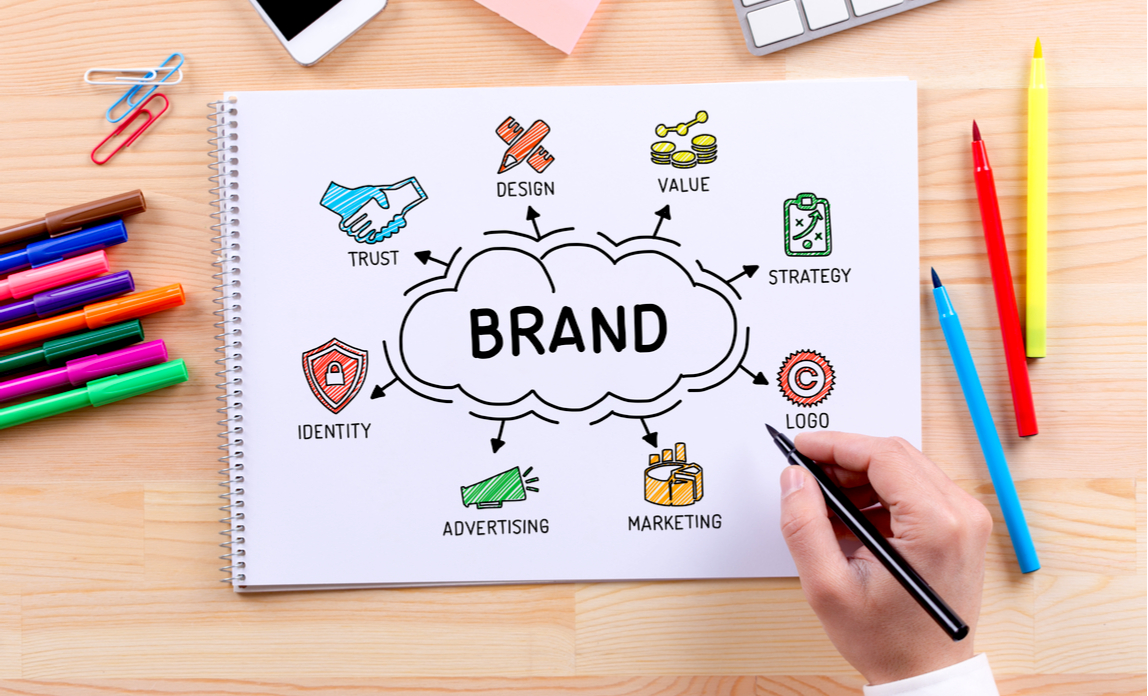
Branding strategy is a crucial aspect of modern business, shaping how a company is perceived and remembered by its target audience. Effective branding relies heavily on a well-defined strategy that integrates design elements to create a cohesive and impactful brand identity. This process encompasses much more than just a logo; it involves crafting a unique narrative that resonates with consumers and builds lasting relationships.A robust branding strategy is essential for differentiating a company from its competitors in a crowded marketplace.

By carefully considering target audience needs, market trends, and competitive landscapes, companies can establish a compelling brand identity that fosters customer loyalty and drives sales. This identity is ultimately expressed through the meticulous application of design principles, making it an integral part of the overall brand experience.

Core Concepts of Branding Strategy

A successful branding strategy is underpinned by several core concepts. These concepts include defining a clear brand mission, values, and personality; understanding the target audience’s needs and preferences; and creating a consistent brand message across all touchpoints. A well-defined brand positioning statement is key to articulating a brand’s unique value proposition, highlighting its differentiation in the marketplace.

Role of Design in Building Brand Identity

Design plays a pivotal role in translating a brand’s essence into tangible experiences. Visual elements such as logos, typography, color palettes, and imagery collectively contribute to the brand’s overall aesthetic and emotional impact. Effective design choices create a consistent visual language that reinforces the brand’s message and values.

Design Elements Contributing to Brand Recognition and Memorability

Various design elements contribute to brand recognition and memorability. These include a distinctive logo, a consistent color palette, and a specific typeface. A well-crafted brand name, memorable tagline, and compelling imagery also play a critical role. These elements work together to create a cohesive brand identity that consumers can readily recognize and associate with the company. For example, the iconic swoosh of Nike or the golden arches of McDonald’s are immediately recognizable visual cues that represent their respective brands.

Examples of Successful Branding Strategies and Their Design Elements

Numerous brands have achieved success through well-executed branding strategies. Apple, for instance, is renowned for its minimalist design aesthetic, clean typography, and use of high-quality materials. This approach consistently resonates with its target audience, building a strong brand image. Similarly, Coca-Cola’s enduring popularity is attributed to its iconic red and white color scheme, distinctive bottle shape, and universally recognized logo.

Different Approaches to Developing Brand Guidelines

Developing comprehensive brand guidelines is essential for maintaining consistency across all brand touchpoints. These guidelines Artikel the usage of logos, typography, color palettes, imagery, and tone of voice. Different approaches to developing brand guidelines exist, each with its own strengths and weaknesses. For example, some companies opt for detailed, exhaustive brand style guides, while others use more concise guidelines that focus on key visual elements.

Impact of Design on Brand Perception and Customer Loyalty

Design significantly impacts brand perception and customer loyalty. A visually appealing and well-designed brand experience can create a positive impression on potential customers. A consistent and aesthetically pleasing brand identity can build trust and foster a sense of recognition, encouraging repeat business and fostering customer loyalty.

Comparison of Branding Strategies

Branding Strategy Visual Design Elements Target Audience Examples
Luxury High-quality materials, sophisticated imagery, elegant typography, muted color palettes Affluent consumers seeking exclusivity and status Gucci, Rolex, Chanel
Modern Clean lines, minimalist design, bold typography, vibrant color palettes Tech-savvy consumers seeking innovative and contemporary experiences Apple, Google, IKEA
Classic Timeless design, traditional imagery, recognizable logos, neutral color palettes Consumers seeking reliability and enduring quality Coca-Cola, IBM, Rolex

Design Principles in Practice

Design principles are not merely theoretical concepts; they are the bedrock upon which effective design in diverse fields is built. Their practical application is crucial for creating solutions that are not only aesthetically pleasing but also functional, user-friendly, and impactful. From the sleek lines of a product to the thoughtful layout of a website, design principles provide a framework for achieving these goals.Applying design principles thoughtfully allows designers to create solutions that resonate with users and achieve their intended objectives.

The key is understanding how to adapt these principles to specific contexts, considering factors like user needs, target audience, and the overall design goals. This adaptable approach is what differentiates a good design from a great one.

Application Across Diverse Fields

Design principles are not limited to a single discipline. Their application spans a broad spectrum of fields, from product design to environmental design, each with its unique challenges and opportunities. In product design, principles like ergonomics, usability, and aesthetics are paramount. In environmental design, principles like accessibility, sustainability, and spatial organization are vital for creating spaces that meet the needs of the users.

A Table of Design Principles in Different Contexts

The table below illustrates how design principles are applied across various design contexts. It highlights the key considerations and the impact of different principles on user experience.

Design Context Key Design Principles Example Application
Web Design Usability, accessibility, visual hierarchy, information architecture Intuitive navigation, clear call-to-actions, and a logical flow of information on a website.
Packaging Design Branding, visual communication, product identification, material selection Attractive and informative packaging that effectively communicates the product’s value proposition and brand identity.
Product Design Ergonomics, functionality, aesthetics, sustainability A product that is easy to use, comfortable to hold, and aesthetically pleasing, while also being environmentally friendly.
Environmental Design Spatial organization, accessibility, sustainability, aesthetics Public spaces designed to be inclusive, sustainable, and visually appealing, considering factors such as accessibility for people with disabilities.

User-Centered Design in Contemporary Practice

User-centered design (UCD) has become a cornerstone of contemporary design practice. This approach prioritizes understanding the needs and desires of the end-user throughout the design process. It emphasizes empathy, research, and iterative refinement, resulting in solutions that are more effective and satisfying for the user. UCD is not merely a trend; it’s a fundamental shift towards creating solutions that are not just aesthetically pleasing but genuinely useful and beneficial.

Visual Hierarchy and Design Effectiveness

Visual hierarchy is the arrangement of elements in a design to guide the user’s eye and establish a clear order of importance. A well-structured visual hierarchy enhances the clarity and effectiveness of a design. By strategically using size, color, contrast, and spacing, designers can direct the user’s attention to the most critical elements, ensuring the message is communicated effectively and efficiently.

Design Applied to Real-World Problems

Design thinking is increasingly being used to address real-world challenges. Designers are not just creating aesthetics; they are actively contributing to problem-solving in areas such as healthcare, education, and social impact. Examples include designing accessible transportation systems, developing user-friendly educational tools, or creating innovative solutions for environmental issues. The principles of design, when applied effectively, provide a powerful framework for addressing these complex problems.

Design Case Studies

Design case studies offer invaluable insights into the practical application of design principles and their impact on real-world problems. They provide tangible examples of how design thinking can be employed to create effective solutions, and illuminate the iterative nature of the design process. By examining successful projects, designers can learn from past experiences and develop a deeper understanding of the complexities involved in translating ideas into tangible outcomes.

The Role of Design in Problem-Solving

Design plays a crucial role in problem-solving by providing a structured approach to understanding complex issues and generating innovative solutions. Through a process of iterative refinement, designers identify the root causes of problems, explore potential solutions, and evaluate their effectiveness. This approach fosters a deeper understanding of the target audience’s needs and preferences, ultimately leading to more effective and user-centric outcomes.

A well-designed solution considers not only the technical aspects but also the human factors, leading to a more holistic and impactful outcome.

Summary of a Design Case Study: The Redesign of the Spotify App

Spotify, a leading music streaming service, underwent a significant redesign of its mobile application. This redesign focused on enhancing the user experience by improving navigation, visual appeal, and ease of use. The previous interface was perceived as cluttered and difficult to navigate.

The Design Process Involved

The design process involved a series of stages, beginning with user research to understand user behavior and pain points. This included interviews, surveys, and usability testing with a diverse group of users. Following this, the design team developed multiple iterations of the app’s interface, incorporating feedback from the user research. Prototypes were then created to allow for testing and further refinements.

User testing was integral throughout the entire design process, ensuring the final product was aligned with user expectations. The design team employed a human-centered design approach, placing user needs at the forefront of the development process.

Impact on the Target Audience

The redesigned Spotify app led to a noticeable increase in user engagement and satisfaction. Users reported a more intuitive and enjoyable experience, finding the app easier to navigate and use. Improved navigation contributed to increased user satisfaction and retention. This increase in user satisfaction translated into a significant boost in user engagement, which was further supported by intuitive design elements.

Design Choices Made and Rationale

Key design choices included simplifying the navigation structure, enhancing the visual hierarchy, and improving the overall visual aesthetic. The design team chose to reduce the number of cluttered elements to streamline the interface and improve user flow. This resulted in a cleaner and more visually appealing interface, which was well-received by users. Color palettes were carefully selected to create a consistent and harmonious experience.

Key Takeaways

  • User-centered design is crucial for creating effective solutions.
  • Iterative design processes are essential for refining solutions.
  • Understanding user needs is paramount for success.
  • A well-structured design process leads to tangible results.
  • Visual appeal and ease of use contribute to user satisfaction.

Design and Technology

The relationship between design and technology is a dynamic and ever-evolving one. Technology consistently reshapes design trends, impacting not only the aesthetic but also the functionality and accessibility of products and services. This influence extends to the very processes designers employ, prompting a constant adaptation to new tools and methodologies.Technology’s influence on design is multifaceted, affecting everything from the initial ideation phase to the final production.

Designers now have access to sophisticated software, advanced manufacturing techniques, and a wealth of data that enables them to create innovative solutions. This interplay between creativity and technology fosters the development of user-centric designs, pushing the boundaries of what is possible.

Impact on Design Trends

Technological advancements have consistently driven shifts in design aesthetics and functionalities. The rise of personal computing, for instance, led to a surge in digital design tools, fostering new visual styles and interactive experiences. Similarly, the increasing accessibility of 3D printing has democratized manufacturing, allowing designers to prototype and produce intricate designs with unprecedented ease.

Intersection with Emerging Technologies

The convergence of design with emerging technologies like Artificial Intelligence (AI), Virtual Reality (VR), and Augmented Reality (AR) is a significant development. AI, with its capacity for data analysis and pattern recognition, can assist designers in optimizing designs for specific user needs. VR and AR offer immersive experiences, allowing designers to visualize and test products in realistic settings, enabling greater user engagement and feedback collection.

For example, the use of AI-powered tools for generating design variations or predicting user behavior is already impacting product development in various sectors, including fashion and automotive.

Impact on Design Processes

Technology is transforming design processes across all phases. Digital tools for prototyping, simulation, and user testing offer greater efficiency and speed. Collaboration tools allow designers to work together remotely, regardless of geographical location. This streamlined approach not only improves efficiency but also fosters innovation through cross-functional teamwork.

Impact on Design Outcomes

The outcomes of design are profoundly impacted by technology. Interactive digital products, for instance, benefit from the ability to incorporate dynamic elements and user feedback in real-time. Smart products, designed with embedded technology, can adapt to user needs and preferences, resulting in more personalized and intuitive experiences. This adaptability is crucial in rapidly changing markets and consumer demands.

Challenges and Opportunities

The convergence of design and technology presents both challenges and opportunities. The rapid pace of technological advancements necessitates continuous learning and adaptation for designers. Addressing issues like data privacy and algorithmic bias in AI-powered design tools is critical. Conversely, the integration of technology opens doors to unprecedented design possibilities, enabling the creation of highly personalized and innovative products and services.

Concluding Remarks

In conclusion, this comprehensive overview of design definition literature highlights the dynamic and ever-evolving nature of design. From its historical context to its future implications, this exploration underscores the profound impact design has on our world. By understanding the core principles, methodologies, and case studies, we gain a deeper appreciation for the power of design to shape our lives and experiences.

Common Queries

What is the difference between graphic design and industrial design?

Graphic design focuses on visual communication, using typography, imagery, and layout to convey messages. Industrial design, on the other hand, focuses on the design of physical products, considering factors like ergonomics, materials, and manufacturing processes.

How does technology influence design trends?

Technological advancements often drive new design trends, providing new tools and possibilities for creative expression. For example, the rise of digital media has significantly altered the landscape of graphic design.

What is the role of user-centered design?

User-centered design prioritizes the needs and preferences of the user throughout the design process. It emphasizes understanding user behaviors and motivations to create solutions that are effective and satisfying.

What are some common design methodologies?

Common design methodologies include design thinking, user-centered design, and human-centered design. These methodologies offer structured approaches to problem-solving and idea generation.

Branding iron kerrville is not just a tool; it’s a symbol of local heritage and craftsmanship. In Kerrville, branding irons play a significant role in various industries, from ranching to artisanal crafts, making a mark that is both literal and figurative. With a rich history steeped in tradition, these tools have evolved, showcasing the unique blend of old-world craftsmanship and modern design.

In Kerrville, the use of branding irons extends beyond mere functionality; they represent identity and pride within the community. As local artisans integrate these tools into their work, they not only enhance their products but also contribute to the region’s vibrant cultural tapestry.

Introduction to Branding Irons

Branding irons are essential tools in various industries, primarily utilized for creating distinctive marks or symbols on products, livestock, and other materials. Their primary purpose is to signify ownership, enhance brand recognition, and add a personalized touch to items. The benefits of using branding irons extend beyond mere identification; they also contribute to the aesthetic appeal of products, showcasing craftsmanship and quality.The history of branding techniques spans centuries and varies across different industries.

Initially used by ancient cultures, branding was a method to label livestock to prevent theft and establish ownership. In the modern era, branding has evolved into a powerful marketing tool, utilized in sectors such as leatherworking, woodworking, and even food production. From the traditional use of hot irons to modern laser engraving, the methods of branding have transformed, but the core principle of marking items remains the same.

Materials Commonly Used in the Production of Branding Irons

The production of branding irons involves various materials, each chosen for its durability, heat retention properties, and ability to create clear impressions. The most common materials include:

  • Steel: Known for its strength and heat conductivity, steel is a popular choice for both hot and cold branding irons.
  • Brass: Often used for custom branding stamps, brass is favored for its resistance to corrosion and ability to produce detailed designs.
  • Aluminum: Lightweight and cost-effective, aluminum is sometimes used for less demanding applications, particularly in crafting prototypes.
  • Stainless Steel: This material is preferred for its resistance to rust and its ability to withstand high temperatures, making it suitable for professional-grade branding irons.

The choice of material not only affects the quality of the impression but also influences the longevity and maintenance of the branding tool. Selecting the right material is crucial for achieving the desired results in branding applications.

“The choice of material for branding irons significantly impacts the quality and durability of the branding process.”

The Significance of Branding Irons in Kerrville

Branding irons hold a special place in Kerrville, Texas, a region known for its rich history in ranching and agriculture. These tools are not merely instruments for marking livestock; they symbolize a deep-rooted tradition that connects local culture with craftsmanship. The usage of branding irons in Kerrville reflects the community’s pride in its ranching heritage, and they serve as a testament to the artistry involved in creating uniquely designed brands.The significance of branding irons in Kerrville extends beyond their functional use.

They play a critical role in several local industries, where the art of branding is intertwined with the identity of businesses and individuals. Branding irons are commonly utilized in various sectors, contributing to the local craftsmanship and economy.

Local Industries Utilizing Branding Irons

In Kerrville, several industries actively incorporate branding irons into their operations. The following sectors exemplify this usage:

  • Ranching and Livestock: The primary users of branding irons, ranchers in Kerrville brand their cattle to establish ownership and prevent theft. Each brand is distinctive, often designed to reflect family heritage.
  • Artisan Crafts: Local artisans often create custom branding irons for woodworkers and metalworkers, allowing them to mark their creations. This practice not only adds a personal touch but also enhances the value of handmade products.
  • Promotional Products: Businesses in Kerrville use branding irons to create unique promotional items and corporate gifts, further solidifying their brand identity in a competitive market.

Branding irons serve as a bridge between tradition and modern craftsmanship in these industries. They are not only essential tools but also pieces of art that reflect the character and uniqueness of Kerrville’s local craftsmanship.

“Branding irons are more than just tools; they are a vital part of our identity and heritage.”

The artistry involved in crafting branding irons is evident in the designs and techniques employed by local blacksmiths and metal artisans. Each branding iron is often custom-made, representing individual stories or family legacies. The process of creating these irons demands skill and creativity, reinforcing the importance of craftsmanship within the Kerrville community.Indeed, branding irons are a significant part of Kerrville’s culture, symbolizing not only ownership and tradition but also a commitment to quality and individuality in craftsmanship.

Types of Branding Irons Available

Branding

Branding irons are essential tools for marking livestock, products, and various surfaces with unique identifiers or designs. In Kerrville, where the ranching and artisanal culture thrives, understanding the different types of branding irons available can enhance your branding experience. This section will explore the various styles of branding irons, their specific uses, and the popular custom designs favored by local artisans and ranchers.

Varieties of Branding Irons and Their Uses

There are several types of branding irons utilized for different applications. Each type has its unique characteristics and is suited for specific branding needs. Here are the main categories:

  • Fire Branding Irons: Traditionally used in livestock branding, these irons are heated in a fire and applied to the hide to produce a permanent mark. They are favored for their durability and clear imprint.
  • Electric Branding Irons: These are electrically heated and allow for quicker and more consistent branding. They are often preferred for their precision and ease of use, especially in large-scale operations.
  • Cold Branding Irons: These are used with a freezing agent to mark livestock without burning the skin. Cold branding is popular for its humane approach, leaving a less painful mark.
  • Custom Branding Irons: Artisans in Kerrville frequently create bespoke branding irons featuring unique designs. These can include logos, initials, or customized symbols that represent a ranch or business.

Custom Branding Iron Designs Popular in Kerrville

Kerrville is well-known for its rich artistic culture, which reflects in the custom branding iron designs created by local artisans. Popular designs often incorporate elements intrinsic to Texas culture, such as the following:

  • Western Themes: Many branding irons feature symbols like cowboy hats, boots, or horses, emphasizing the ranching heritage of the area.
  • Logos and Initials: Custom branding irons with business logos or personal initials are favored by local businesses and ranchers to establish their unique identity.
  • Artistic Patterns: Some artisans create intricate designs that not only serve a branding purpose but also act as decorative pieces, showcasing local craftsmanship.

Differences Between Electric and Non-Electric Branding Irons

When choosing a branding iron, it’s important to consider whether to go with an electric or non-electric option. Each type has its advantages and disadvantages, which can impact its suitability for specific applications.

Type of Branding Iron Advantages Disadvantages
Electric Branding Irons Consistent temperature control, faster branding time, and less manual effort. Requires access to electricity, higher initial cost, and potential for overheating.
Fire Branding Irons Classic method, works well for livestock, and no need for electricity. Can take longer to heat, less precise temperature control, and risk of burns.
Cold Branding Irons Humane method, less painful for animals, and no risk of fire. Requires special freezing agents, which can be costly and must be handled carefully.

Choosing the right branding iron involves weighing the benefits of precision and convenience against traditional methods and their unique characteristics.

Custom Branding Iron Design Process

Creating a custom branding iron is an exciting venture that allows individuals and businesses to showcase their unique identity. The design process involves several key steps, each crucial for achieving a quality product tailored to your specifications. Whether for personal use or as a business branding tool, understanding this process can significantly enhance the final outcome.The custom branding iron design process typically involves the following steps: conceptualization, artwork development, material selection, and production.

Each phase is essential in ensuring the branding iron meets your expectations in terms of design, durability, and functionality.

Steps Involved in Design Process

The process of designing a custom branding iron can be broken down into distinct stages that facilitate careful planning and execution. Here’s a closer look at each step:

  • Conceptualization: This is where your ideas take shape. Consider what you want to communicate through your branding iron. Sketching out your ideas can help clarify your vision.
  • Artwork Development: Once you have a concept, the next step is to create a digital version of your design. This may involve using graphic design software to render your branding elements accurately.
  • Material Selection: The material you choose affects both the durability and the quality of the branding. Common options include steel and brass, each having its unique properties and suitability for different applications.
  • Prototype Creation: Before final production, a prototype is often made. This allows for testing and adjustments to ensure the design meets your expectations in terms of size, depth, and overall aesthetics.
  • Production: Once the prototype is finalized, the actual branding iron is produced using methods like CNC machining or laser engraving, ensuring precision and quality.

Tools and Technologies Used

The design and creation of custom branding irons utilize a variety of tools and technologies that enhance precision and efficiency. Some of the essential tools include:

  • Graphic Design Software: Programs like Adobe Illustrator or CorelDRAW are frequently used to create detailed vector designs, enabling accurate representation of your branding elements.
  • Laser Engravers: These machines offer high precision in creating intricate designs on the branding iron material.
  • CNC Machines: Computer Numerical Control (CNC) machines are employed for cutting and shaping the branding iron with precise dimensions and depths.
  • Heat Sources: Once the branding iron is created, it needs to be heated. Electric branding iron heat sources or propane torches are commonly used to ensure it reaches the necessary temperature for effective branding.

Tips for Creating Your Own Branding Designs

When embarking on the journey to create your own branding designs, there are several valuable tips to consider that can lead to a successful outcome:

  • Simplicity is Key: A simple design often translates better when branding. Complex details may not be as visible or clear on the final product.
  • Choose the Right Font: If your design includes text, opt for fonts that are bold and easy to read. Consider how the font will appear when burned into the material.
  • Test Your Design: Before finalizing, test your design on a similar material. This helps to identify any adjustments needed for clarity and impact.
  • Seek Professional Assistance: If you’re unsure about your design, consulting with a professional designer can provide valuable insights and help refine your concepts.
  • Consider the Size: Ensure your design fits well on the branding iron. A well-balanced size enhances the overall aesthetic and functionality.

Usage Techniques for Branding Irons

Branding irons are essential tools for marking livestock and personal belongings, providing a sense of ownership and identity. Proper usage not only ensures effective branding but also guarantees safety and longevity of the tool. Understanding the techniques for using branding irons is crucial for both beginners and seasoned users.

Step-by-step Guide for Proper Use

To achieve the best results when using a branding iron, follow this systematic approach to ensure your branding is clear and effective.

  1. Preparation: Gather all necessary equipment including the branding iron, fire source, and safety gear such as gloves and goggles. Ensure you have a clean, stable working surface.
  2. Heating the Iron: Depending on the type of branding iron, heat it in flames or an electric branding iron heater until it reaches the appropriate temperature. A well-heated iron will produce a crisp, clear mark.
  3. Testing: Before branding your livestock or belongings, test the iron on a scrap piece of material to ensure it’s at the right temperature and to check the clarity of the brand.
  4. Branding: Firmly press the heated iron onto the desired surface for a few seconds (usually 5-10 seconds, depending on the material). Apply consistent pressure to ensure an even mark.
  5. Removing the Iron: Gently lift the branding iron straight off the surface to avoid smudging the brand. Examine the mark for clarity.
  6. Post-use Care: Allow the branding iron to cool before cleaning. Once cool, wipe off any residue and store it in a safe, dry place.

Safety Precautions When Using Branding Irons

Safety is paramount when working with heated tools like branding irons. Adhering to the following precautions will help prevent accidents and injuries.

Always prioritize safety by wearing protective gear and handling heated tools carefully.

  • Wear heat-resistant gloves to protect your hands from burns.
  • Use goggles to shield your eyes from sparks and smoke.
  • Keep a fire extinguisher nearby in case of emergencies.
  • Ensure that your workspace is free from flammable materials to reduce fire hazards.
  • Avoid using the branding iron in confined spaces without proper ventilation.

Maintenance and Care for Longevity

Caring for your branding iron will extend its usability and effectiveness. Regular maintenance practices should be implemented to ensure your branding iron remains in excellent condition over time.

Proper maintenance not only prolongs the life of your branding iron but also enhances the quality of your branding.

To maintain your branding iron, consider these practices:

  • After each use, clean the branding iron with a wire brush or cloth to remove any residue. This prevents build-up that can affect future branding.
  • Store the branding iron in a dry location to prevent rusting. A protective case or pouch can also shield it from dust and damage.
  • Regularly inspect the branding iron for any signs of wear or damage. Replace or repair parts as necessary to ensure optimal performance.
  • Occasionally, re-season the branding iron if applicable, following the manufacturer’s instructions, to maintain its effectiveness.

Case Studies of Branding Iron Use

In Kerrville, branding irons have made a significant impact on local businesses by enhancing brand recognition and creating a unique identity. By incorporating branding irons into their operations, these businesses have been able to effectively communicate their values and craftsmanship. Below are some notable examples of how local artisans and companies have utilized branding irons to elevate their presence in the community.

Local Businesses Utilizing Branding Irons

Several businesses in Kerrville have embraced branding irons as a core part of their branding strategy. The following examples highlight their effective use of this traditional tool:

  • Hill Country Leatherworks: Known for handmade leather goods, this family-run business uses a custom branding iron to stamp their logo onto each product. This not only adds a personal touch but also reinforces their dedication to quality and craftsmanship. Customers often express their appreciation for the unique branding, which sets their products apart from mass-produced items.
  • Kerrville Coffee Company: The local coffee roastery employs branding irons to mark their wooden coffee scoops and bags. This thoughtful branding choice enhances their rustic aesthetic and reminds customers of their commitment to artisanal practices. Feedback indicates that customers love the tactile experience of using products that reflect the brand’s authenticity.
  • Rustic Charm Furniture: This furniture store utilizes branding irons on their custom pieces, allowing buyers to personalize their items. The branding not only creates a sense of ownership for customers but also serves as a conversation starter, increasing word-of-mouth referrals.

Impact on Brand Recognition

The use of branding irons has proven to be a powerful tool for enhancing brand recognition among Kerrville businesses. The following points illustrate the benefits achieved through this practice:

  • Brand Differentiation: By using unique branding irons, businesses can differentiate their products from competitors, making them easily recognizable in a crowded market.
  • Emotional Connection: Customers often feel an emotional connection to products that are stamped with a personalized branding iron, enhancing loyalty and repeat business.
  • Increased Visibility: Products with distinct branding are more likely to be shared on social media, increasing overall visibility and attracting new customers.

Testimonials from Local Artisans

Artisans in Kerrville have shared their positive experiences regarding the use of branding irons in their work. These testimonials highlight the value of branding irons in establishing a strong brand identity:

“Using a branding iron has allowed me to put my mark on my work. It’s not just about the product; it’s about telling the story behind it.”

Sarah, Hill Country Leatherworks

“My customers love knowing that each piece of furniture is uniquely branded. It adds a special touch that they can’t find anywhere else.”

Tom, Rustic Charm Furniture

“I’ve noticed that our custom branding has led to more online engagement. People love sharing photos of our products and mentioning us in their posts.”

Lisa, Kerrville Coffee Company

The case studies and testimonials from Kerrville businesses clearly illustrate the significant role branding irons play in fostering brand loyalty, recognition, and a sense of community among customers and artisans alike. Through thoughtful branding practices, these businesses continue to thrive, showcasing the timeless appeal of craftsmanship.

The Future of Branding Irons

As the branding iron industry continues to evolve, various emerging trends and technological advancements are poised to shape the future landscape of branding tools. With the rise of customization and innovative manufacturing techniques, branding irons are likely to see significant changes that enhance their functionality and appeal to a broader market. Technological advancements are transforming the way branding irons are produced and utilized, making them more accessible and efficient for users.

The integration of modern manufacturing techniques, such as 3D printing and laser engraving, is streamlining production processes and allowing for more intricate designs. In particular, the use of digital design software enables users to create highly customized branding irons that can cater to specific branding needs or personal preferences.

Emerging Trends in Branding Irons

The branding iron market is witnessing several noteworthy trends that reflect changing consumer preferences and technological advancements. Some key trends include:

  • Customization: Increased demand for personalized branding solutions is leading to a rise in custom branding irons. Consumers appreciate the ability to tailor designs to reflect their unique identity or business branding.
  • Eco-Friendly Materials: Sustainability is becoming a priority for many consumers. The use of eco-friendly materials in the production of branding irons is gaining traction, appealing to environmentally conscious buyers.
  • Portable and Multi-Use Designs: There is a growing interest in portable branding irons that can be used in various settings, from workshops to outdoor events. Additionally, multi-use branding tools that can apply heat to different surfaces are becoming more popular.
  • Digital Integration: The incorporation of digital features, such as smartphone connectivity for design adjustments, is on the rise. This technology enables users to modify and manage branding designs seamlessly.

Technological Advancements Impacting Branding Irons

The evolution of branding irons is closely linked to advancements in technology that enhance their effectiveness and usability. Notable innovations include:

  • 3D Printing: This technology allows for rapid prototyping and production of highly detailed branding irons, drastically reducing production time and costs while enabling unique designs.
  • Laser Engraving: Laser technology provides precision engraving capabilities, making it possible to create intricate logos and designs on various materials without the limitations of traditional methods.
  • Smart Branding Irons: Future branding irons may feature smart technology that allows users to adjust heat settings and design options directly from their smartphones or tablets, offering greater control and versatility.
  • Advanced Materials: The development of heat-resistant and lightweight materials can enhance the performance and durability of branding irons, making them more efficient and user-friendly.

Predictions for the Evolution of Branding Irons

As branding irons continue to adapt to market demands and technological progress, several predictions can be made regarding their future:

  • Increased Demand for Personalization: As consumers seek unique branding solutions, the market for personalized branding irons is expected to grow. This trend is likely to drive innovation in design and production methods.
  • Expansion into New Markets: With the rise of small businesses and the DIY culture, branding irons may find applications in various industries beyond livestock and traditional crafts, including food branding and artisanal products.
  • Enhanced User Experience: Future branding irons may focus on ergonomics and ease of use, integrating features that cater to both novice and experienced users, ensuring a better overall experience.
  • Global Market Growth: As technology becomes more accessible, the global market for branding irons is expected to expand, with emerging markets embracing branding as a crucial element of business identity.

As branding irons continue to innovate, their role in personal and business branding will only strengthen, allowing for creative expressions that resonate in a competitive landscape.

Resources for Purchasing Branding Irons

When it comes to investing in branding irons, having reliable resources is essential for ensuring you get the best quality and service. Kerrville offers a variety of local vendors and online platforms that specialize in these tools, making the purchasing process both accessible and efficient. Below is a detailed overview of options available for those looking to acquire branding irons.

Local Vendors in Kerrville

Kerrville is home to several local vendors that specialize in branding irons. Choosing local suppliers supports the community and often provides the advantage of personalized service and immediate product availability. Here are a few prominent vendors to consider:

  • Kerrville Metal Works
    -Known for custom metal fabrication, they offer a range of branding irons tailored to specific needs.
  • Hill Country Supply
    -This supplier specializes in agricultural tools, including branding irons suited for livestock and ranch use.
  • Texas Branding Irons
    -A local favorite that provides a variety of branding options, from traditional to modern designs.

Online Platforms for Purchasing Branding Irons

In addition to local vendors, several online platforms offer a wide selection of branding irons, making it easy to compare products and prices. Online shopping allows buyers to access a broader range of options and customer reviews. Consider the following platforms:

  • Amazon
    -Provides numerous listings of branding irons from various sellers, often with customer ratings and quick delivery options.
  • Etsy
    -A great marketplace for custom and handmade branding irons, allowing you to support small businesses while getting unique designs.
  • eBay
    -Offers both new and used branding irons, often at competitive prices, making it a viable option for budget-conscious buyers.

Considerations for Choosing the Right Branding Iron Supplier

Selecting the right supplier for your branding irons involves several important considerations to ensure you receive a product that meets your needs. Here are key factors to keep in mind:

  • Quality of Materials
    -Look for suppliers that use high-quality metals and materials to ensure durability and effectiveness.
  • Customization Options
    -If you need a specific design, check if the supplier offers customization services to create a branding iron that reflects your brand.
  • Customer Reviews
    -Consider feedback from previous customers to gauge the reliability and quality of the supplier’s products.
  • After-Sales Service
    -Assess the level of customer service provided, including warranties and support for any problems that may arise post-purchase.

Final Summary

In conclusion, branding iron kerrville encapsulates the essence of local craftsmanship, reflecting both tradition and innovation. As we look towards the future, the evolution of branding irons promises to further enrich the creative landscape of Kerrville, inviting new artisans to leave their mark in this thriving community.

General Inquiries

What are the primary uses of branding irons?

Branding irons are used for marking leather, wood, and other materials to create unique identifiers for products, showcasing brand identity.

How can I maintain my branding iron?

To maintain your branding iron, clean it after each use, avoid overheating, and store it in a dry place to prevent rust.

Can I create a custom branding iron?

Yes, many vendors offer customization options, allowing you to design branding irons to suit your specific needs and preferences.

Are there safety precautions when using branding irons?

Yes, always use heat-resistant gloves, work in a well-ventilated area, and ensure that the branding iron is placed on a stable surface to prevent accidents.

Where can I buy branding irons in Kerrville?

You can find branding irons at local craft shops, agricultural supply stores, and online marketplaces that specialize in custom tools.

Branding iron for sale invites you to explore the fascinating world of branding irons, tools that have played a significant role in various industries for centuries. Initially used for marking livestock, branding irons have evolved to serve businesses looking to create unique identities and enhance brand recognition. From traditional options to modern electric models, there’s a wide range to choose from, each designed to meet specific needs.

As we delve into the key features, pricing, customization options, and maintenance tips, you’ll discover how branding irons can add value to your business, making them not just a tool but a powerful branding asset.

Introduction to Branding Irons

A branding iron is a tool used to mark livestock, products, or materials with a distinctive symbol or logo. Its primary purpose spans various industries, serving as a means of identification, authentication, and branding. In agriculture, it helps in identifying ownership of livestock, while in manufacturing, it denotes brand quality and origin.Historically, branding irons have been significant in business and livestock management for centuries.

They originated from the need to establish ownership and deter theft among cattle ranchers. This practice has evolved over time, seen prominently in cultures around the world, where unique designs reflect the heritage and branding identities of businesses. Today, branding irons are available in various types, each tailored for specific applications and materials.

Types of Branding Irons

Understanding the different types of branding irons available can help individuals and businesses choose the right tool for their needs. Below are the main categories of branding irons and their specific uses:

  • Electric Branding Irons: These irons heat up quickly and maintain consistent temperatures, making them ideal for use on various materials like wood, leather, and some metals. They are favored for their ease of use and clean branding results.
  • Manual Branding Irons: Typically made from solid metal, these require a heat source, such as an open flame or hot coals, to reach the desired temperature. Manual branding irons are often used for livestock marking and can create deep, lasting impressions.
  • Custom Branding Irons: Many businesses opt for custom designs that reflect their brand identity. These can be electric or manual and are often fabricated to include logos, symbols, or unique lettering.
  • Hot Stamping Equipment: While not traditional branding irons, this equipment uses a heated metal die to imprint designs onto surfaces like leather or paper. It offers a precise and professional branding option, especially for product packaging.

The choice of branding iron directly impacts the effectiveness of branding efforts, influencing everything from visibility to permanence. When selecting a branding iron, consider the material to be branded, the desired branding depth, and the anticipated frequency of use.

“A strong brand is the foundation of any business, and branding irons are powerful tools to establish that identity.”

Features of Quality Branding Irons

When selecting a branding iron, understanding its features is crucial for ensuring durability, effectiveness, and ease of use. Quality branding irons come with specific attributes that set them apart from inferior products. Recognizing these features not only enhances the branding experience but also ensures that the investment made is worthwhile.The materials used in the manufacturing of branding irons play a significant role in their overall quality and performance.

Quality branding irons are typically made from a combination of robust materials designed to withstand high temperatures and repeated use. The primary materials include:

Commonly Used Materials

Branding irons need to endure the heat required for effective marking, so the choice of material is critical. Below are common materials used in the production of branding irons:

  • Steel: High-carbon steel is a popular choice due to its strength and ability to retain heat, ensuring a clear and lasting impression.
  • Brass: Known for its excellent thermal conductivity, brass allows for even heat distribution, which is essential for achieving consistent results.
  • Aluminum: Lightweight and corrosion-resistant, aluminum branding irons are easier to handle but may not withstand high temperatures as well as steel or brass.

The design of a branding iron significantly influences its functionality and user experience. A well-designed iron will not only enhance the quality of the branding but also improve the ease of use during application. Key design aspects include:

Impact of Design on Functionality

The effectiveness of a branding iron is directly related to its design elements. Here are important considerations regarding design:

  • Handle Design: A comfortable, ergonomic handle allows for better grip and control, minimizing fatigue during use.
  • Head Shape: The shape and size of the branding head should correspond to the branding task, ensuring the image or text is clear and defined.
  • Heat Distribution: A design that promotes even heat distribution across the branding surface ensures that the brand marks consistently across different materials.

Ultimately, selecting a quality branding iron involves looking for durable materials and effective design features that contribute to its long-term performance and usability. By focusing on these aspects, buyers can ensure they choose a branding iron that meets their specific needs and expectations.

Pricing and Where to Buy Branding Irons

When considering the purchase of branding irons, understanding the pricing landscape and where to buy these tools is essential. Branding irons vary in price depending on their type, material, and features. This section will break down typical pricing ranges, suggest reputable retailers, and explore the factors that influence the costs of branding irons.

Pricing Breakdown of Branding Irons

Branding irons come in various styles and materials, which directly impacts their pricing. Below is a breakdown of typical pricing ranges for different types of branding irons:

  • Electric Branding Irons: These typically range from $50 to $200. The price often reflects the wattage and heat-up time, with higher-priced models offering quicker heat-up and more durable components.
  • Manual Branding Irons: Manual options generally cost between $25 and $100. These are more affordable but may require more effort and time to heat up, often using a propane torch or a heat source.
  • Custom Branding Irons: Custom-made branding irons can range from $100 to $300 or more, depending on the complexity of the design and the materials used. These are ideal for businesses looking to create a unique mark.

Where to Buy Branding Irons

When looking for branding irons, there are several reputable online and physical stores where quality products can be found. It’s essential to choose trusted retailers to ensure the quality and reliability of the tools. Here are some places to consider:

  • Online Retailers:
    • Amazon: Offers a wide selection of branding irons, including electric, manual, and custom options, along with customer reviews to help with decision-making.
    • eBay: Great for finding both new and used branding irons at competitive prices, along with auctions for unique items.
    • Etsy: Ideal for custom branding irons from independent artisans, providing unique designs and craftsmanship.
    • Branding Iron Companies: Websites like Hot Iron or BBQ Branding offer specialty branding tools tailored for various needs.
  • Physical Stores:
    • Local Hardware Stores: Some local stores may carry a selection of manual branding irons, particularly those geared toward crafting and DIY projects.
    • Craft Supply Stores: Stores such as Michaels or Hobby Lobby might have branding irons, especially during peak crafting seasons.

Factors Influencing Price Variations

Several factors contribute to the differences in pricing among branding irons, which can help buyers understand the value of what they are purchasing:

  • Material Quality: Higher quality materials, such as stainless steel or brass, will generally lead to a higher price tag due to their durability and performance.
  • Size and Design: Larger branding irons or those with intricate custom designs often command a premium due to the additional materials and craftsmanship involved.
  • Heating Technology: Electric branding irons with advanced heating technology tend to be more expensive, as they provide quicker and more consistent heat.
  • Brand Reputation: Well-known brands with a history of quality products may charge more based on their reputation and customer trust.

Choosing the right branding iron involves balancing budget, quality, and specific branding needs.

Customization Options for Branding Irons

The Importance of Branding - BoydTech Design, Inc.

Customization plays a crucial role in ensuring that branding irons meet the specific needs of businesses looking to leave a lasting mark on their products. Whether it’s for a small craft business or a large manufacturing operation, personalized branding irons can enhance brand identity and add a unique touch to products. The process of customizing a branding iron typically involves selecting a desired design, size, and material.

Customers can work with manufacturers to create a branding iron that reflects their brand’s identity. This may involve providing a logo, choosing fonts, or selecting specific images to be incorporated into the design. The customization process ensures that the finished product aligns perfectly with the branding goals of the business.

Design Options for Personalized Branding Irons

When it comes to customizing branding irons, there are numerous design options available to suit different business needs. The variety of choices allows businesses to create a branding iron that is not only functional but also visually appealing. Here are some popular design options:

  • Logo Design: Custom branding irons can feature the business logo, providing a professional look that can enhance brand recognition.
  • Text Options: Businesses can choose different fonts and sizes for text to include names, taglines, or product information.
  • Custom Shapes: Beyond traditional shapes, branding irons can be personalized to fit unique designs that represent the business or product.
  • Material Choices: Options such as brass, stainless steel, or aluminum can be selected based on durability and the type of branding desired.
  • Size Variations: Branding irons can be produced in various sizes to accommodate different products, from small items like leather wallets to larger wooden furniture.

Customization not only makes branding irons more effective but also adds a layer of uniqueness that can set a business apart from competitors.

“A customized branding iron can transform an ordinary product into a memorable masterpiece.”

Business Examples Using Customized Branding Irons

Many businesses have successfully integrated customized branding irons into their operations to enhance their branding efforts. Here are a few examples:

  • Artisan Leather Goods: A small leather company uses a custom branding iron featuring their logo to mark each handcrafted item. This not only adds authenticity but also builds brand loyalty among customers.
  • Craft Breweries: Local breweries often employ branding irons to mark wooden barrels and products, showcasing their unique identity while promoting their brand story.
  • Furniture Makers: Custom furniture makers use branding irons with distinctive designs to mark their pieces, helping to establish a reputation for craftsmanship and quality.
  • Gift Shops: Shops offering personalized gifts often use branding irons to add a custom touch to wooden products, making them ideal for special occasions and enhancing customer satisfaction.

These examples highlight how businesses can leverage customized branding irons not just as tools for marking products, but as integral aspects of their branding strategy that resonate with customers.

Uses of Branding Irons

Branding irons are versatile tools with applications that extend beyond traditional livestock marking. Their uses span across various industries and creative endeavors, serving as a unique method of branding, personalization, and marketing.Various sectors utilize branding irons for diverse applications. In the culinary world, chefs and restaurants use branding irons to imprint their logos on steaks, creating a memorable dining experience.

Artisans and craftspeople employ them to mark their creations, adding a professional touch to handmade products. Additionally, businesses leverage branding irons in promotional events, allowing customers to personalize items like wooden coasters or leather goods with their own designs, making the products more appealing.

Case Studies of Successful Branding

Several brands have effectively used branding irons to enhance their marketing strategies. A notable example is the popular barbecue restaurant chain, Smoky Joe’s. They utilized branding irons to imprint their logo onto briskets served at events, making their food instantly recognizable and reinforcing their brand identity. This unique approach not only drew customers in but also encouraged social media sharing, leading to increased brand visibility.Another example is the luxury leather goods manufacturer, LeatherCraft Co.

They created a custom branding iron to stamp their logo on handbags, promoting their brand while ensuring every product carried a mark of quality. This branding strategy not only distinguishes their products but also tells a story of craftsmanship, appealing to their target market.

Creative Uses for Branding Irons

Beyond traditional applications, branding irons can be creatively repurposed in various ways. The following list highlights some innovative uses for branding irons:

  • Personalized Gifts: Use branding irons to personalize items such as cutting boards, picture frames, or coasters, making for unique and thoughtful gifts.
  • Event Branding: Imprint logos or messages on promotional items at trade shows or events to create memorable experiences for attendees.
  • Art Projects: Artists can use branding irons to create textured designs on canvas or wood, adding dimension and a unique touch to their artwork.
  • Furniture Customization: Furniture makers can brand their pieces with logos or designs, making each item distinct and easily identifiable.
  • Home Décor: Use branding irons to add personalized messages or designs to wall panels or decorative items, enhancing the character of any space.

These examples illustrate the versatility of branding irons beyond their conventional uses, showcasing their potential as tools for creativity and marketing innovation.

Maintenance and Care for Branding Irons

Proper maintenance and care for branding irons are essential to ensure they perform optimally and last for many years. By following a few simple practices, you can maintain the functionality and appearance of your branding iron, allowing it to deliver clear, crisp branding each time you use it.

Cleaning Practices for Branding Irons

Regular cleaning is crucial to keep branding irons in top condition and to prevent residue buildup. After each use, allow the branding iron to cool down completely before cleaning it. Use a wire brush or a metal scraper to remove any charred material or residue from the branding surface. For stubborn residues, soak the iron in warm, soapy water for a few minutes and then scrub gently with a soft cloth.

To disinfect the branding iron, especially if used on multiple items, lightly spray it with a food-safe disinfectant, ensuring that the branding surface is free from contaminants. Always dry the branding iron thoroughly using a clean, dry cloth to prevent rust formation.

Safe Storage Techniques for Branding Irons

Storing branding irons properly is important for prolonging their lifespan. Place the branding iron in a designated storage area that is dry and away from moisture. Using a protective sheath or case can prevent scratches and damage to the branding surface. If the iron has a wooden handle, make sure that it is stored in a way that prevents the handle from getting wet or exposed to extreme temperatures, which can lead to warping or cracking.Additionally, hanging the branding iron on a pegboard or a tool hook can help keep it accessible while ensuring it is not in contact with other tools that might cause damage.

Repairing Common Issues with Branding Irons

Like any tool, branding irons can suffer from wear and tear over time. Common issues include damage to the branding face or a loose connection between the handle and the branding head. If the branding face becomes uneven or damaged, it may be necessary to resurface it. This can be done with a fine file or by taking it to a professional who specializes in metalwork.If the handle starts to feel loose, tightening screws or bolts can often resolve the issue.

For any significant damage or if the electrical components are malfunctioning (for electric branding irons), it’s best to consult a professional for repairs to avoid safety hazards.

“A well-maintained branding iron not only produces superior results but also enhances the overall quality of your projects.”

Safety Considerations When Using Branding Irons

Using branding irons can be an exciting way to personalize items, but it also comes with certain risks that must be carefully managed. Understanding these hazards and the precautions needed can help ensure a safe and effective branding process. This section will cover potential dangers associated with branding irons and provide essential safety tips for users.Identifying potential hazards associated with branding irons is crucial for anyone involved in the branding process.

The primary risks include burns from the hot metal, accidental fires, and inhalation of fumes from heated materials. Improper handling can lead to severe injuries, not just to the user but also to those in proximity. Therefore, awareness and preventive measures are imperative to promote a safe working environment.

Safety Tips for Using Branding Irons

To ensure safety during the branding process, following specific guidelines can significantly mitigate risks. It’s important to understand that safety starts long before the branding iron is heated. Below are crucial safety tips to keep in mind:

  • Always wear heat-resistant gloves to protect your hands from burns.
  • Ensure the working area is clear of flammable materials, such as paper, cloth, or wood shavings.
  • Have a fire extinguisher nearby and ensure it’s easily accessible in case of an emergency.
  • Use a heavy-duty heat-resistant surface to place the items being branded.
  • Never leave a heated branding iron unattended; keep it in a designated holder when not in use.
  • Make sure to unplug the branding iron and allow it to cool completely before storing it away.

Pre-Branding, During Branding, and Post-Branding Checklist

A systematic approach to safety can be ensured by following a checklist before, during, and after using a branding iron. This checklist serves as a quick reference to ensure all safety protocols are adhered to.Before using the branding iron:

  • Inspect the branding iron for any damage or wear.
  • Check that all safety equipment is in place, including gloves and fire extinguisher.
  • Clear the work area of any unnecessary items and clutter.

During the branding process:

  • Maintain a safe distance from the branding iron when it’s heated.
  • Use proper techniques to apply the branding iron to avoid slipping.
  • Monitor the item being branded closely to prevent overheating.

After using the branding iron:

  • Unplug the branding iron and let it cool down in a safe location.
  • Store the branding iron securely in its designated place.
  • Review the work area to ensure no hazards remain.

Following safety practices not only protects the user but also ensures a successful branding experience.

Comparison of Electric vs. Traditional Branding Irons

When it comes to branding irons, choosing between electric and traditional options can significantly affect the branding process. Each type offers distinct benefits and drawbacks that cater to different needs, preferences, and use cases. This comparison aims to shed light on the features of both electric and traditional branding irons, helping you make an informed decision based on your specific requirements.Electric branding irons have gained popularity due to their convenience and efficiency.

They are typically powered by electricity, allowing for quick heat-up times and consistent temperatures during use. This consistency ensures that the branding process is uniform, reducing the chance of uneven markings. However, electric branding irons may require access to a power source, which can limit their portability.In contrast, traditional branding irons are often heated over an open flame or in a heating element.

This option allows for versatility in locations and environments where electricity may not be readily available. Traditional branding irons are also generally more straightforward in design and often have a nostalgic appeal. However, they can suffer from inconsistent heat distribution, leading to potential branding quality issues.

Benefits and Drawbacks

Understanding the advantages and disadvantages of each type can aid in selecting the right tool for your branding needs. Below are key points for consideration:

Electric Branding Irons

  • Fast heat-up times improve efficiency, allowing for quicker branding sessions.
  • Consistent temperature control enhances the quality of branding, ensuring clear and precise markings.
  • Less physical effort is required, as they can be easier to handle for extended periods.
  • Dependence on electricity limits usability in remote locations or outdoor settings.

Traditional Branding Irons

  • Versatile usage in various environments, including outdoor settings where electricity is unavailable.
  • Typically more affordable and straightforward in design.
  • Offers a more traditional experience, appealing to those valuing craftsmanship.
  • Inconsistency in heat can lead to uneven branding results, requiring additional skill and experience.

Preferred Scenarios

Different scenarios may call for the use of one branding iron type over the other. For instance, in a commercial setting where high-volume branding is required, electric branding irons are often preferred due to their speed and efficiency. Alternatively, in outdoor events, such as craft fairs or festivals where power sources are scarce, traditional branding irons become a practical choice.

Technological Advancements in Electric Branding Irons

The branding iron industry has seen notable advancements in electric models. Modern electric branding irons often feature digital temperature controls, allowing users to set specific temperatures for different materials and achieve precise results. Additionally, many electric branding irons now come equipped with interchangeable tips, enabling users to switch branding designs quickly and efficiently.Some advanced brands also offer options with integrated heating elements that allow for a more even heat distribution across the branding surface, which significantly improves the quality of the branding.

Additionally, the introduction of lightweight materials has made modern electric branding irons more portable and user-friendly, enhancing usability without sacrificing performance.This combination of technology and usability makes electric branding irons an appealing option for many users, balancing efficiency with quality.

Ending Remarks

In conclusion, whether you’re looking to personalize your brand or simply explore the practical uses of branding irons, understanding their features and care essentials is crucial. Investing in a quality branding iron can elevate your branding efforts, making a lasting impression on your customers. So, if you’re ready to take the next step in branding, a branding iron for sale could be just what you need to stand out in your industry.

User Queries

What is a branding iron used for?

A branding iron is used to imprint a symbol, logo, or name onto various materials, commonly wood, leather, or food products, for branding purposes.

Can branding irons be customized?

Yes, many branding irons can be customized to include specific designs, logos, or text to meet individual business needs.

How do I maintain my branding iron?

To maintain your branding iron, clean it after use, store it in a dry place, and check for any damages before each use to ensure its longevity.

Are electric branding irons better than traditional ones?

Electric branding irons offer quicker heating and consistent results, while traditional irons may be preferred for their simplicity and no need for power sources.

Where can I buy a branding iron?

You can purchase branding irons from various online retailers, specialty craft shops, and local hardware stores that offer branding tools.

Branding iron alphabet serves as a fascinating intersection of art, history, and functionality, inviting us to explore its rich legacy and contemporary applications. Originating from ancient traditions, these tools have evolved into vital components for livestock, artisans, and modern branding strategies, showcasing the remarkable versatility of branding iron alphabets across cultures.

From their inception in marking livestock to their artistic expressions in metalwork, branding iron alphabets embody both craftsmanship and creativity. With a compelling lineage, they continue to thrive in various industries, offering not only practical uses but also opportunities for personal expression and branding in a competitive marketplace.

Introduction to Branding Iron Alphabet

The branding iron alphabet is a unique and artistic method of marking or engraving letters and symbols on various materials, primarily used in the craft of branding. This technique has evolved through history, blending practical applications with artistic expression, and serves various purposes from identification to decoration. The beauty of the branding iron alphabet lies in its ability to create lasting impressions that carry both aesthetic and functional significance.Branding irons have a rich historical background, with origins tracing back to ancient civilizations where they were used for livestock marking, territorial claims, and craftsmanship identification.

Over time, the evolution of branding techniques has seen transformations influenced by cultural practices and technological advancements. From the early use of heated metal to modern adaptations, branding irons have played a pivotal role in numerous societies, symbolizing ownership, artistry, and innovation.

Materials and Techniques Used in Creating Branding Iron Alphabets

The process of creating branding iron alphabets involves careful selection of materials and specific techniques that ensure durability and precision in design. The primary materials used include metals like steel and brass due to their heat retention properties and strength, which are essential for achieving clear impressions. Additionally, wood and leather are often used as substrates for branding, requiring different care in the branding process compared to metals.The techniques employed in crafting branding iron alphabets include:

  • Metal Forging: This traditional method involves heating metal to high temperatures and shaping it into the desired letterforms, ensuring that each character is distinct and recognizable.
  • Laser Engraving: A modern approach, laser engraving allows for intricate designs and finer details, offering greater flexibility in terms of font choices and sizes.
  • Custom Molding: This technique uses molds to create branding irons with specific alphabets, enabling mass production of consistent designs.

In addition to materials and techniques, attention to detail in the design phase is crucial. The shapes, sizes, and styles of each letter are meticulously planned to ensure clarity and aesthetic appeal when the branding iron is used. Each branding iron can carry a unique identity, representing an individual or a brand, thus enhancing its significance in both historical and contemporary contexts.

Applications of Branding Iron Alphabet

The branding iron alphabet has a rich history and diverse range of applications that extend from traditional livestock marking to contemporary artisan crafts and modern business branding. Each application highlights the versatility and durability of branding iron alphabets, showcasing their significance in various fields.

Use of Branding Iron Alphabets in Livestock Marking

Branding iron alphabets play a crucial role in identifying livestock and preventing theft. Farmers and ranchers utilize these branding irons to mark their animals with unique symbols or letters that represent their ranch or business. This method not only aids in livestock identification but also serves as a legal means of ownership.

Livestock branding typically involves the following steps

Selection of Design

Ranchers choose a specific letter or symbol that is distinctive to their livestock operations.

Preparation of Branding Iron

The branding iron is crafted from durable materials such as steel, ensuring it can withstand high temperatures.

Branding Process

Once the iron is heated, it is pressed onto the animal’s skin, leaving a permanent mark. This is done carefully to avoid injury to the animal.The practice of using branding iron alphabets in livestock is not just practical; it’s also a tradition that has been passed down through generations, reinforcing the identity of ranches and their heritage.

Utilization in Artisan Crafts and Custom Metalwork

Artisan crafts and custom metalwork have embraced branding iron alphabets for personalization and artistic expression. Craftspeople use these tools to imprint names, dates, or unique designs onto their creations, adding a personal touch that resonates with customers.

The applications in artisan crafts include

Leather Goods

Makers of leather products often use branding irons to imprint logos or initials on wallets, belts, and bags, enhancing the product’s value and uniqueness.

Woodworking

Carpenters and woodworkers apply branding irons to mark their pieces with signatures or branding symbols, establishing authenticity and craftsmanship.

Metal Art

Artists working with metal can engrave their artwork or create custom signs using branding irons, making each piece distinctive.This practice not only elevates the aesthetic appeal of handmade items but also strengthens the connection between artisans and their clientele by emphasizing the story behind each creation.

Examples in Modern Branding Strategies for Businesses

In the modern business landscape, branding iron alphabets have found a niche in creating memorable and impactful brand identities. Companies use these tools to convey their brand’s ethos and values through tangible marks or symbols.

Businesses leverage branding iron alphabets in the following ways

Product Marking

Many companies incorporate branding irons to imprint their logos onto products, such as wood furniture or leather goods, delivering a sense of quality and durability.

Event Promotion

Branding irons can be used at corporate events to customize items like promotional giveaways, reinforcing brand recognition and interaction with clients.

Brand Storytelling

Businesses use branding iron marks to tell their story, often through unique designs that reflect their mission and heritage, which can resonate with customers on a deeper level.Such strategies not only enhance brand visibility but also create a lasting impression, fostering loyalty and connection with consumers. The integration of branding iron alphabets into branding practices exemplifies how traditional methods can be effectively modernized to meet contemporary needs.

Designing a Branding Iron Alphabet

Branding overview | Marketing Donut

Creating a custom branding iron alphabet is an exciting journey that combines creativity and functionality. This process allows businesses to establish a unique identity that stands out in a competitive market. A well-designed branding iron alphabet can convey a brand’s personality, making it essential for effective branding.The design process of a branding iron alphabet involves several key steps that ensure both aesthetic appeal and practical utility.

From selecting the right materials to finalizing the design, each step plays a crucial role in the effectiveness of the branding tool.

Steps for Designing a Custom Branding Iron Alphabet

The design of a branding iron alphabet must be approached methodically. Each step contributes to the overall success of the final product. Here are the fundamental steps to consider:

  1. Define the Purpose: Understand the specific needs of your branding. Are you using it for products, packaging, or promotional materials?
  2. Select the Material: Choose durable materials that can withstand high temperatures and still maintain precision. Common materials include brass, copper, and steel.
  3. Choose a Design Software: Utilize graphic design software that allows for detailed vector graphics, ensuring clarity in your designs.
  4. Incorporate Brand Elements: Include logos, icons, and specific brand colors to create a cohesive identity in the branding iron alphabet.
  5. Finalize the Design: Ensure all elements are aligned, legible, and visually appealing. Test different designs and get feedback from stakeholders.
  6. Create Prototypes: Before final production, create prototypes to test the branding iron’s effectiveness and adjust as necessary.

Tips for Selecting the Right Font and Size

Choosing the appropriate font and size is crucial for ensuring that your branding is effective and recognizable. Here are some vital considerations to guide your selection:

Legibility is paramount; a good design will not only be visually appealing but will also ensure that your brand name can be read quickly and easily.

Font Style

Select a font that reflects your brand personality. Serif fonts often convey tradition and reliability, while sans-serif fonts can project modernity and simplicity.

Size Matters

The size of the letters should be balanced. Too small can make the branding illegible, while too large can cause distortion during the branding process.

Test Variations

Experiment with different font sizes and styles to find the perfect combination that captures your branding essence without compromising on readability.

Importance of Legibility and Aesthetics in Branding Designs

Legibility and aesthetics are integral components of effective branding. A branding iron that is hard to read or visually cluttered can hinder brand recognition and customer engagement. Here’s why both elements are essential:

Clarity

A clear and easily readable brand name fosters trust and professionalism. Customers are more likely to engage with brands that present themselves clearly.

Visual Appeal

Aesthetics contribute to first impressions. An attractive branding design can capture attention and create positive associations with your brand.

Consistency

Maintaining legibility and aesthetics across all branding materials reinforces brand identity and helps establish a recognizable presence in the market.In summary, the design process for a branding iron alphabet requires careful thought and planning. From choosing materials and fonts to emphasizing legibility and aesthetics, each element plays a critical role in creating an effective branding tool that resonates with customers and stands the test of time.

Techniques for Creating Branding Irons

Crafting branding irons requires a combination of skilled metalworking techniques and an understanding of heat application methods. This section will delve into the detailed processes involved in creating effective branding irons, ensuring that your designs are both durable and functional. By mastering these techniques, you can produce high-quality branding irons that meet various branding needs.

Crafting a Branding Iron from Metal

The process of crafting a branding iron begins with selecting the right type of metal, typically steel or iron, due to their heat retention properties. The first step is to cut the metal to the desired shape and size. This can be accomplished using a variety of tools, such as band saws or plasma cutters, depending on the complexity of the design.

Once cut, the metal needs to be shaped and smoothed, often using a hammer and anvil or other metal shaping tools. The final step in the crafting process is to engrave or stamp the desired design onto the metal surface. This can be done using CNC machines or manual engraving tools to ensure precision and clarity.

Heating and Applying Branding Irons Effectively

Heating branding irons correctly is crucial for achieving optimal branding effectiveness. The typical heating method involves using a forge or an electric furnace, where the branding iron is heated to a temperature that allows it to easily mark the material without excessive burning. The ideal temperature for most branding irons is between 500°F to 700°F (260°C to 370°C), depending on the material being branded.

For effective application, it is essential to ensure that the branding iron is in full contact with the surface for a sufficient duration, usually ranging from 5 to 10 seconds, to allow the heat to penetrate adequately.

Safety Tips and Best Practices

Using branding irons involves certain risks, and implementing safety measures is imperative. Here are important safety tips to consider while working with branding irons:

  • Wear Protective Gear: Always wear heat-resistant gloves, safety goggles, and appropriate clothing to protect against burns and flying debris.
  • Work in a Ventilated Area: Ensure that your workspace is well-ventilated to avoid inhaling fumes generated during heating.
  • Use Heat-Resistant Surfaces: Perform branding on surfaces that can withstand high temperatures to prevent accidents.
  • Keep Water Nearby: Always have a bucket of water or a fire extinguisher close at hand in case of emergencies.
  • Handle with Care: Always use tongs or heat-resistant handles for moving heated branding irons to prevent burns.

“Safety is not just a priority; it’s a commitment to protecting yourself and others while working with potentially dangerous tools.”

Branding Iron Alphabet in Art and Culture

The branding iron alphabet transcends its practical origins to find a significant place in contemporary art and cultural expressions. Artists and craftsmen have embraced the branding iron as a tool for creativity, exploring its symbolism and aesthetic value in various forms. The unique characteristics of branding irons allow them to leave a lasting impression, literally and figuratively, on both physical and conceptual canvases.In contemporary art, branding iron alphabets are often used to create pieces that challenge societal norms and provoke thought.

The harshness of the branding technique contrasts with the soft, often ephemeral nature of contemporary art, creating a dialogue between permanence and transience. Artists utilize these tools to forge connections with their audience, drawing on the rich history and cultural significance embedded in these iron letters.

Representation of Branding Iron Alphabets in Contemporary Art

The use of branding iron alphabets in art serves as a powerful medium for expression, where artists often utilize them to convey messages related to identity, heritage, and societal issues. Notable exhibitions have featured works that incorporate branding techniques to explore themes of belonging, ownership, and memory. Prominent artists like David Hammons and El Anatsui have successfully integrated branding into their art, using it to comment on culture and consumerism.

Their works often reflect the duality of branding as both a mark of identity and a symbol of commercialization. Through the tactile nature of branding, they provoke viewers to reconsider their relationships with the branded objects and symbols that permeate their lives.

Symbolism and Meaning Behind Different Branding Designs Across Cultures

Branding designs vary widely across cultures, each telling a unique story that reflects the values, beliefs, and histories of those who create them. The symbolism behind these designs often connects to tradition, belonging, and personal expression. For instance, in some Indigenous cultures, branding has been used as a rite of passage, signifying an individual’s transition into adulthood. The symbols chosen for branding often carry deep personal significance, serving as a reminder of one’s heritage and identity.

Similarly, in various African cultures, branding can represent clan affiliation or social status, where specific motifs are reserved for distinct groups within society.In contrast, contemporary branding practices in commercial contexts often prioritize marketing strategies that convey aspirational lifestyles, diluting the deeply personal associations found in traditional practices. This shift highlights the evolving nature of branding as it moves from cultural significance to a tool for commercial gain.

Notable Artists and Craftsmen Utilizing Branding Iron Alphabets

Several notable artists and craftsmen have incorporated the branding iron alphabet into their work, showcasing its versatility and depth. These individuals have transformed traditional branding into a contemporary art form, offering fresh perspectives on this age-old practice.

David Hammons

His works frequently engage with themes of race and identity, utilizing branding techniques to challenge societal perceptions. Hammons’ branding pieces serve as poignant commentaries on the intersection of art and socio-political issues.

El Anatsui

Known for his intricate sculptures made from recycled materials, Anatsui often incorporates branding elements to address themes of consumption and waste in a consumer-driven society. His use of branding iron alphabets contributes to the overall narrative of his work, emphasizing cultural connections.

Maya Lin

The acclaimed architect and artist employs branding techniques in her installations to reflect on the relationship between nature and human intervention. Lin’s work often invites viewers to contemplate the impact of branding on the environment and cultural memory.These artists exemplify how the branding iron alphabet can transcend its functional origins, becoming a medium of profound artistic exploration and cultural commentary.

Marketing and Promotion Using Branding Iron Alphabet

The Branding Iron Alphabet is not just a tool for marking; it’s a unique branding strategy that can significantly enhance a business’s identity. When incorporated effectively into promotional materials, it can create a memorable impression, foster brand loyalty, and communicate authenticity to the target audience. This segment will delve into strategies for integrating branding iron alphabets into marketing initiatives, share successful campaign examples, and provide a checklist for businesses to develop their branding iron alphabet.

Strategies for Incorporating Branding Iron Alphabets

Integrating branding iron alphabets into marketing materials requires a thoughtful approach to ensure the brand message is clear and appealing. Here are several strategies businesses can adopt:

  • Use branding iron alphabets in product packaging to enhance the tactile experience and create an authentic feel that resonates with consumers.
  • Incorporate branding iron alphabets in promotional merchandise, such as custom keychains or coasters, which can serve as both functional items and marketing tools.
  • Integrate the branding iron alphabet into digital marketing materials, such as website design or social media graphics, by using typography that mimics the branding iron effect.
  • Host events or workshops where customers can participate in creating their own branded items using branding iron alphabets, fostering engagement and connection with the brand.
  • Collaborate with artists or influencers to create limited-edition pieces that feature branding iron alphabets, tapping into their follower base and expanding outreach.

Examples of Successful Branding Campaigns

Several brands have successfully utilized branding iron alphabets in their campaigns, showcasing the effectiveness of this strategy:

  • Rugged Wear Co.: This outdoor apparel brand used branding iron alphabets on their leather patches, creating an authentic, rugged aesthetic that resonated with their target audience of outdoor enthusiasts. The campaign led to a 30% increase in customer engagement on social media.
  • Artisanal Coffee Roasters: By stamping their branding iron alphabet on bags of freshly roasted coffee, they communicated quality and craftsmanship. This strategy not only enhanced their product appeal but also garnered attention on social media platforms, resulting in a viral marketing effect.
  • Custom Furniture Makers: They incorporated branding iron alphabets into their promotional materials, creating a visually striking catalog that showcased the unique craftsmanship of their products. This approach helped them reach a niche market of design-conscious consumers.

Checklist for Developing a Branding Iron Alphabet

For businesses looking to establish their branding iron alphabet, a structured approach is essential. Here’s a checklist to guide the development process:

  • Identify the core values and message of your brand to ensure the branding iron alphabet reflects your identity.
  • Research typography styles that resonate with your target audience and align with your brand’s image.
  • Design the alphabet, ensuring each letter maintains a consistent style and visual appeal.
  • Test the branding iron alphabet on various materials to gauge the effectiveness and durability of the branding.
  • Gather feedback from focus groups or loyal customers to refine the design and ensure it meets their expectations.
  • Plan the integration of the alphabet into marketing materials, considering both online and offline platforms.
  • Monitor the impact of the branding iron alphabet on brand perception and sales, making adjustments as needed to optimize effectiveness.

DIY Branding Iron Alphabet Project

Creating your own branding iron alphabet can be a fulfilling and creative endeavor. Whether you’re looking to personalize items for your business or simply want to explore a unique crafting project, this guide will walk you through the steps necessary to design and fabricate your very own branding iron set. This project not only enhances your crafting skills but also adds a personal touch to your creations.Before diving into the project, it’s essential to gather the right tools and materials to ensure a smooth crafting experience.

The items you choose can significantly affect the quality of your branding irons and the overall satisfaction with the finished product. Here’s what you will need for your DIY branding iron alphabet project:

Tools and Materials for a DIY Branding Iron

The following list Artikels the primary tools and materials required to create a branding iron alphabet:

  • Metal Letters: You can purchase pre-made metal letters or create your own using metal stock.
  • Wooden Handle: A sturdy handle is necessary for safely operating your branding iron.
  • Heat Source: A propane torch or electric branding iron station is essential for heating the letters.
  • Metal Base: A solid metal base (such as a thick steel plate) is needed to attach the letters securely.
  • Drill and Drill Bits: These are required to make holes in the metal base for mounting the letters.
  • Safety Gear: Protective eyewear and gloves are strongly recommended to ensure safety during the project.

Acquiring high-quality materials will play a significant role in the effectiveness and longevity of your branding iron. Ensuring that all components, especially the metal, can withstand high temperatures will prevent damage or failure during use.

Challenges and Solutions in DIY Branding Iron Projects

While embarking on a DIY branding iron project can be fun, several challenges may arise. Understanding these challenges and how to handle them will make your experience more enjoyable and productive.

  • Heat Management: Controlling the temperature of the branding iron is critical. Too hot can damage the substrate, while too cold may not create a good mark.

    Experiment with a few test runs on scrap materials to find the ideal temperature for your branding iron.

  • Letter Alignment: Getting the letters correctly aligned can be tricky, especially for larger projects.

    Use a jig or template to ensure consistent spacing and alignment when attaching letters to the base.

  • Material Compatibility: Different materials react differently to branding. Using the wrong material can lead to unsatisfactory results.

    Always test your branding iron on the same material you intend to use for your final product before proceeding.

  • Durability of Branding Iron: Over time, branding irons can wear out.

    Regular maintenance and care, including proper cleaning after each use, can significantly extend the life of your branding iron.

By being aware of these potential challenges and applying the suggested solutions, you can navigate your DIY branding iron alphabet project with greater ease and success. The process may require patience and practice, but the end result will be a personalized branding tool that reflects your creativity and craftsmanship.

Last Word

In summary, the branding iron alphabet transcends its basic function, representing a blend of history, culture, and innovation. As we’ve explored its diverse applications and artistic significance, it’s clear that understanding and utilizing branding iron alphabets can enhance both personal and business branding efforts, ensuring that this age-old craft remains relevant in today’s dynamic world.

User Queries

What materials are used for branding irons?

Branding irons are typically made from metal such as steel or brass for durability and effectiveness.

Can I use a branding iron on wood?

Yes, branding irons can be used on wood; however, the technique may differ slightly from metal.

How do I maintain my branding iron?

Keep your branding iron clean and avoid rusting by storing it in a dry place and occasionally oiling it.

Is it possible to create custom designs?

Absolutely! Branding irons can be customized to feature unique designs or logos according to individual preferences.

How hot does a branding iron need to be?

A branding iron typically needs to reach temperatures between 800°F to 1200°F for effective branding.

Can I study business administration? This question opens the door to a world of opportunities in today’s dynamic economy. Business administration education equips students with vital skills such as leadership, communication, and analytical thinking, essential for navigating the complexities of modern enterprises. From launching a startup to managing multinational corporations, a degree in business administration lays the groundwork for a diverse range of career paths.

With a curriculum that includes both theoretical knowledge and practical experience, students are prepared to handle real-world challenges. Whether through internships or collaborative projects, they gain insights that are invaluable in the workforce, making business administration a popular choice for aspiring professionals.

Importance of Business Administration Education

Studying business administration has become increasingly vital in today’s fast-paced and interconnected economy. With businesses evolving and adapting to technological advancements and global market shifts, a comprehensive education in business principles equips individuals with the knowledge and skills necessary to thrive in various sectors. The significance of a business administration degree lies not only in understanding the fundamental concepts of management, finance, and marketing but also in the ability to apply these concepts practically.

A well-rounded business education fosters critical thinking, problem-solving abilities, and effective communication skills, all of which are paramount in a professional environment.

Skills Acquired Through a Business Administration Program

A business administration program equips students with a diverse skill set tailored for the modern workplace. These skills include:

  • Leadership and Management: Understanding how to lead teams and manage projects effectively is essential in any business setting.
  • Financial Acumen: Acquiring knowledge in budgeting, forecasting, and financial analysis prepares graduates to make informed decisions that impact an organization’s bottom line.
  • Strategic Thinking: Students learn to develop and implement strategies that align with business goals, ensuring long-term success.
  • Marketing Skills: Knowledge of market research and consumer behavior enables graduates to craft effective marketing strategies that resonate with target audiences.
  • Analytical Skills: The ability to analyze data and derive insights is crucial for problem-solving and decision-making in business operations.

The combination of these skills not only prepares graduates for immediate employment but also positions them for career advancement in the future.

Career Opportunities from a Business Administration Degree

A degree in business administration opens doors to numerous career paths across various industries. Some notable positions include:

  • Business Analyst: Analyzing data to help organizations make strategic decisions and improve processes.
  • Marketing Manager: Overseeing marketing strategies and campaigns to drive brand awareness and sales.
  • Human Resources Manager: Managing employee relations, recruitment, and organizational development.
  • Accountant: Responsible for financial reporting, tax compliance, and budgeting within an organization.
  • Entrepreneur: Starting and managing one’s own business venture, utilizing skills in management and finance.

The versatility of a business administration degree allows graduates to pivot between roles and industries, making it a valuable asset in their professional journey.

“A business administration education is more than just theory; it’s about equipping future leaders with the tools to navigate today’s complex business landscape.”

Curriculum of Business Administration Programs

Business administration programs are designed to equip students with the knowledge and skills necessary for effective management and leadership in various business environments. These curricula are comprehensive, combining theoretical knowledge with practical applications that students will encounter in their careers. Understanding the core subjects and experiential learning components is crucial for any aspiring business professional.The curriculum typically includes a blend of foundational courses and specialized subjects that provide students with a well-rounded education in business principles.

Core courses often cover essential topics such as accounting, finance, marketing, management, and economics. Additionally, many programs emphasize the importance of practical experience through internships and hands-on projects that prepare students for the dynamic business landscape.

Common Subjects in Business Administration Curricula

The subjects included in business administration programs are crucial for developing a strong foundation in various business practices. Below are some of the most common subjects that students can expect to encounter:

  • Accounting: This subject teaches students how to manage financial statements, understand balance sheets, and analyze financial performance.
  • Finance: Students learn about investment strategies, capital markets, and financial management principles necessary for making sound business decisions.
  • Marketing: This area covers the fundamentals of market research, consumer behavior, and marketing strategies to effectively promote products and services.
  • Management: Students explore organizational behavior, strategic management, and human resource management to develop leadership skills.
  • Economics: This subject introduces students to micro and macroeconomic concepts, helping them understand market dynamics and economic policy impacts.

Importance of Practical Experience and Internships

Gaining practical experience through internships is a vital component of business education. Internships provide students with the opportunity to apply theoretical knowledge in real-world settings, enhancing their learning experience and making them more competitive in the job market. Participating in internships allows students to build professional networks, acquire new skills, and gain insights into industry practices.

“Real-world experience is often the bridge between academic knowledge and practical application.”

Many universities emphasize the importance of internships, often requiring students to complete a certain number of hours in a professional environment as part of their degree. These experiences not only bolster resumes but also instill confidence and critical thinking skills that are crucial for future success.

Comparison of Business Administration Programs

Several universities offer unique business administration programs, each with distinct features that cater to various student needs. The following table highlights key aspects of different programs:

University Program Duration Core Focus Areas Internship Opportunities
University A 4 Years Finance, Marketing, Management Mandatory internships at leading firms
University B 3 Years Entrepreneurship, Innovation, Analytics Strong industry partnerships for internship placements
University C 4 Years Global Business, Human Resources Internships supported by a dedicated career center
University D 3.5 Years Supply Chain Management, Digital Marketing Options for international internships

Entry Requirements for Business Administration Studies

When considering a degree in business administration, understanding the entry requirements is essential. These requirements can vary significantly between undergraduate and graduate programs, making it crucial for prospective students to be well-prepared. This section offers a comprehensive overview of the typical admission criteria, including the role of standardized tests and strategies for creating a standout application.

Admission Requirements for Undergraduate and Graduate Programs

The entry requirements for business administration programs generally include academic qualifications, standardized test scores, and sometimes professional experience or personal statements. Below are the common admission criteria for both undergraduate and graduate programs:

  • Undergraduate Programs:
    • High school diploma or equivalent.
    • Minimum GPA requirements, typically around 2.5 to 3.0 on a 4.0 scale.
    • Standardized test scores (SAT or ACT) may be required by some universities.
    • Letters of recommendation from teachers or guidance counselors.
  • Graduate Programs:
    • A completed undergraduate degree from an accredited institution.
    • Minimum GPA requirements, often around 3.0 on a 4.0 scale.
    • Standardized test scores (GMAT or GRE) are commonly required.
    • Professional work experience is often recommended.
    • Personal statement detailing motivation and career goals.
    • Letters of recommendation from academic or professional references.

Importance of Standardized Tests in Admission Process

Standardized tests like the GMAT or GRE hold significant weight in the admission process for graduate business programs. These tests assess a candidate’s analytical writing, quantitative, and verbal skills, providing a standardized measure to evaluate applicants’ readiness for advanced study. Many programs use these scores to gauge academic potential and differentiate between candidates.

“Strong GMAT or GRE scores can enhance your application, especially if your undergraduate GPA is lower than the program’s average.”

Aside from demonstrating academic capabilities, standardized tests can also reflect a candidate’s commitment to their education. Preparing for these exams requires time and effort, which can showcase determination and readiness for the rigors of a graduate program.

Strategies for Preparing an Impressive Application

Creating a compelling application is essential to standing out among a pool of candidates. Here are some effective strategies to enhance your application for business administration programs:

  • Research Programs Thoroughly: Understand each program’s unique offerings, culture, and values to tailor your application accordingly.
  • Prepare for Standardized Tests: Invest time in preparing for the GMAT or GRE through prep courses or study groups to maximize your scores.
  • Craft a Unique Personal Statement: Your personal statement should reflect your aspirations, experiences, and how the program aligns with your career goals.
  • Gather Strong Letters of Recommendation: Select recommenders who can provide detailed insights into your skills and character, ideally from both academic and professional sources.
  • Highlight Relevant Experience: Include internships, volunteer work, or professional experience that showcases your commitment to the field of business administration.

By following these strategies and understanding the entry requirements, candidates can significantly improve their chances of acceptance into their desired business administration programs. A well-prepared application reflects not only qualifications but also a genuine interest in pursuing a career in business.

Benefits of Online vs. Traditional Business Administration Programs

Enrolling in a business administration program is a significant decision that shapes your educational and career path. With the rise of technology and digital learning, many students are opting for online programs over traditional classroom settings. Understanding the benefits and drawbacks of each can guide prospective students in making a well-informed choice.When considering the differences between online and traditional business administration programs, it’s essential to evaluate various factors such as learning experiences, costs, and flexibility.

Each format has unique characteristics that cater to different types of learners and life situations.

Comparison of Online and Traditional Learning Experiences

The learning environment plays a crucial role in a student’s educational journey. Here is a comparison of key differences in learning experiences between online and traditional business administration programs:

Aspect Online Programs Traditional Programs
Learning Environment Self-paced, usually more flexible, with digital resources Structured schedule, face-to-face interaction in classrooms
Accessibility Accessible from anywhere with internet connection Limited to location of the institution
Interaction Primarily through discussion boards and video calls In-person discussions and networking opportunities
Self-discipline Requires strong self-motivation and time management skills Structured environment may provide more support for students

The learning experiences in online programs foster independence, while traditional programs often emphasize direct interaction and networking. Each format’s effectiveness can depend heavily on individual learning preferences and career goals.

Cost and Flexibility Considerations

Understanding the cost and flexibility of business administration programs is essential for prospective students. Here are some notable distinctions:Online programs often have lower overall costs due to the absence of commuting, housing, and physical materials. In contrast, traditional programs may include additional fees for on-campus amenities and activities. Furthermore, online programs frequently provide greater flexibility in scheduling, making it easier for students to balance their studies with work and personal commitments.

Examples of Reputable Online Business Administration Programs

Several institutions offer well-respected online business administration programs recognized for their quality and flexibility. Examples include: University of Southern California (USC)

Marshall School of Business

Offers an online MBA program that emphasizes leadership and innovation.

Indiana University – Kelley School of Business

Known for its highly ranked online MBA program, focusing on real-world application and networking.

University of Florida – Warrington College of Business

Provides an online Bachelor of Business Administration, blending comprehensive coursework with practical insights.

These programs exemplify the opportunity to earn a distinguished business administration degree through an online format while accommodating diverse schedules and lifestyles.

Global Perspective on Business Administration

Understanding international business practices is crucial in today’s interconnected world. As businesses increasingly operate on a global scale, the need for professionals who grasp the complexities of international markets becomes vital. A business administration curriculum that incorporates global perspectives prepares students to navigate diverse and dynamic environments, ensuring they remain competitive in the job market.Studying business administration equips students with the skills and knowledge needed for a variety of global career opportunities.

With a solid foundation in business principles combined with an understanding of cross-cultural management, international marketing, and global finance, graduates are poised to tackle challenges and seize opportunities in international business settings. This preparation is essential as organizations seek individuals who can think globally, adapt to different cultural contexts, and implement strategies that resonate across borders.

Importance of Understanding International Business Practices

The integration of international business practices into business administration education fosters a comprehensive understanding of global markets. This section highlights key components that contribute to this understanding:

Cultural Competence

Knowledge of diverse cultures enhances communication and negotiation skills vital for international dealings.

Global Economic Trends

Awareness of economic indicators and global market forces prepares students to respond to market changes effectively.

International Regulations and Ethics

Understanding laws and ethical considerations across different jurisdictions ensures compliance and ethical business conduct.

Global Supply Chain Management

Insights into managing supply chains that span multiple countries help in optimizing operations and reducing costs.

Foreign Market Entry Strategies

Familiarity with various market entry strategies, such as joint ventures and franchising, enables students to advise businesses on effective pathways to global expansion.

“Incorporating a global perspective in business administration education ensures that graduates are not just equipped with theoretical knowledge but also practical insights necessary for thriving in the international business landscape.”

Case Studies of Successful Global Businesses

Examining successful global businesses provides valuable lessons on the role of business administration in achieving international success. Below are a few notable examples:

Coca-Cola

Coca-Cola’s success in global markets is attributed to its effective marketing strategies and deep understanding of local tastes. Adaptation of products and promotional campaigns to fit cultural contexts demonstrates the importance of international marketing expertise in business administration.

Apple Inc.

Apple’s strategic management and innovation have allowed it to dominate the global technology sector. Its business administration strategies encompass rigorous supply chain management and global branding, showcasing how administrative principles can lead to worldwide recognition and market share.

Unilever

With operations in over 190 countries, Unilever’s commitment to sustainability and local responsiveness highlights the importance of integrating corporate social responsibility into business strategies. Their approach combines market research and business administration to adapt products and practices to local needs effectively.Through these cases, it becomes evident how a robust education in business administration, particularly with a global focus, can prepare students to contribute effectively to international enterprises and navigate the complexities of global markets.

Networking and Professional Development

The journey through business administration education is not just about books and lectures; it’s also about building relationships that can significantly impact your career trajectory. Networking plays a pivotal role in advancing one’s career in business administration, creating opportunities for mentorship, collaboration, and even job placements. Establishing a robust professional network can lead to discovering insights and trends within the industry that might not be otherwise accessible.Networking is essential because it opens doors to opportunities that may not be advertised publicly.

Engaging with professionals in the field allows students to gain insider knowledge, learn about potential internships, job openings, and gather advice from experienced mentors. Building relationships with peers can also lead to collaborative projects and partnerships in the future.

Effective Networking Strategies for Business Students

Being proactive in networking can greatly enhance a business student’s career prospects. Here are some strategies to effectively network:

1. Attend Industry Events

Conferences, seminars, and workshops are excellent venues for meeting professionals and like-minded peers. Engaging in discussions and asking questions can leave a lasting impression.

2. Leverage Social Media Platforms

Platforms like LinkedIn are invaluable for connecting with industry professionals. Regularly update your profile, share relevant content, and engage with others’ posts to build your online presence.

3. Join Student Organizations

Participating in clubs related to business administration fosters connections with fellow students and exposes you to networking opportunities with alumni and professionals in the field.

4. Seek Informational Interviews

Reaching out to professionals for informal chats not only helps in gathering information about their career paths but also builds a personal connection.

5. Follow Up

Always follow up after meeting someone. A simple thank-you email or a message expressing your appreciation for their time can reinforce the connection.

Professional Organizations Relevant to Business Administration Students

Engaging with professional organizations can significantly enhance networking opportunities and provide access to valuable resources. Here is a list of notable organizations that business administration students should consider joining:

American Management Association (AMA)

Focuses on management and leadership development, offering resources, events, and networking opportunities.

National Association for Business Resources (NABR)

Provides access to tools and resources for business professionals, along with networking events.

Society for Human Resource Management (SHRM)

A leading organization for HR professionals, offering resources and networking opportunities for those interested in human resources.

Institute of Management Accountants (IMA)

Focuses on management accounting, providing networking opportunities and certifications for aspiring accountants.

Entrepreneurs’ Organization (EO)

A global network for entrepreneurs, offering events and resources for those interested in entrepreneurship.

Beta Gamma Sigma

An international honor society for business students, promoting excellence and providing networking opportunities with business leaders.Networking and professional development are essential components of a successful career in business administration. By actively engaging with others in the field and participating in professional organizations, students can build the connections needed to thrive in the competitive business landscape.

Trends in Business Administration Education

The landscape of business administration education is continually evolving to keep pace with the rapid changes in technology and the global marketplace. As industries adapt to new challenges and opportunities, educational institutions are integrating contemporary practices and emerging trends into their curricula. This ensures that students are well-prepared to thrive in an increasingly competitive environment.Emerging technologies and innovative teaching methodologies are reshaping business administration programs across the globe.

Educational institutions are prioritizing the incorporation of digital tools, data analytics, and interdisciplinary approaches to enhance the learning experience. As a result, there is a growing focus on fostering entrepreneurial mindsets and innovative thinking within business administration education.

Emerging Trends and Technologies

Several key trends are influencing the direction of business administration education. These trends are vital for developing a curriculum that meets both current and future demands in the business world.

Digital Learning Platforms

The rise of online learning technologies has transformed traditional education. Platforms such as MOOCs (Massive Open Online Courses) allow students to access high-quality business education from anywhere in the world.

Data Analytics

As businesses increasingly rely on data for decision-making, programs are emphasizing data analysis skills. This includes training in tools like Tableau and Excel to analyze business performance.

Artificial Intelligence

Integrating AI in business strategies is becoming essential, prompting educational programs to teach students how to leverage AI for competitive advantage.

Sustainability and Ethics

More programs are incorporating ethical business practices and sustainability into their curriculums, reflecting a global emphasis on corporate responsibility.

Experiential Learning

Institutions are encouraging real-world experiences through internships, case studies, and partnerships with businesses to provide practical learning opportunities.

Impact of Entrepreneurship and Innovation

The focus on entrepreneurship and innovation has become a cornerstone of business administration education. This shift reflects the increasing significance of startups and innovative companies in driving economic growth. Business administration programs are now designed to nurture entrepreneurial skills and encourage students to think creatively. This often involves collaboration with incubators and accelerators, allowing students to develop and pitch their business ideas in a supportive environment.

Skills in Demand in Business Administration

To align with the evolving business landscape, there are several skills that are increasingly important for students pursuing business administration. The following list highlights these essential skills that are being emphasized in contemporary programs:

Critical Thinking

The capability to analyze situations and make informed decisions is crucial in today’s complex business environment.

Digital Literacy

Understanding digital tools and platforms is essential for effective communication and business operations.

Adaptability

The ability to adjust to changing conditions and embrace new technologies is vital for business success.

Leadership

Strong leadership skills are necessary for managing teams and driving organizational change.

Communication Skills

Effective communication, both verbal and written, is essential for collaboration and negotiation within the business context.

Emotional Intelligence

The capacity to understand and manage one’s emotions, as well as empathize with others, is increasingly recognized as a key skill in leadership and team dynamics.

Networking Skills

Building and maintaining professional relationships is vital for career advancement and business growth.By focusing on these trends and skills, business administration education is preparing students to navigate the complexities of the modern business world, fostering a generation of innovative leaders equipped to drive change and create value.

End of Discussion

Inventory from Yacht Club, Can-Am and FLOE Brothers Motorsports Baxter ...

In conclusion, pursuing a degree in business administration is not just an academic choice but a strategic move towards a successful career. With an ever-evolving landscape of business practices and global opportunities, the skills and knowledge gained from this field are crucial. Whether you choose traditional or online learning, the path to becoming a business leader is filled with potential and promise.

FAQ Summary

What are the career options with a business administration degree?

A business administration degree opens doors to various careers, including management, finance, marketing, human resources, and entrepreneurship.

Can I study business administration online?

Yes, many reputable universities offer online business administration programs that provide flexible learning options.

What skills will I gain from studying business administration?

Students will acquire skills in leadership, problem-solving, communication, and data analysis, which are essential in today’s job market.

Are internships necessary in business administration programs?

Internships are highly encouraged as they provide practical experience and help build professional networks, enhancing job prospects after graduation.

What is the typical duration of a business administration degree?

A bachelor’s degree in business administration typically takes four years to complete, while a master’s program usually requires an additional two years.

Legal analyst salary nyc opens the door to understanding a dynamic role that is vital in the bustling environment of New York City’s legal sector. As professionals who bridge the gap between legal theory and practice, legal analysts play a crucial part in the operations of law firms, corporations, and governmental agencies. With diverse responsibilities and a need for specialized skills, their contributions are invaluable, making them key players in the legal field.

In exploring the salary landscape for legal analysts in NYC, we uncover factors like experience, sector differences, and the ever-evolving job market. Whether you’re already in the field or considering a career as a legal analyst, this discussion will equip you with the insights needed to navigate this rewarding profession.

Overview of Legal Analyst Role in NYC

A brief review of the legal and illegal status of common protest ...

Legal analysts play a critical role in the legal landscape of New York City, acting as a bridge between legal professionals and the practical aspects of legal work. These experts are integral to many law firms, corporations, and government agencies, where they assist in the analysis, preparation, and management of legal documents and cases. Their contributions help ensure that legal processes run smoothly and efficiently.The primary responsibilities of legal analysts include conducting legal research, drafting documents, and analyzing case law to support attorneys and other legal professionals.

They gather and review evidence, summarize findings, and prepare reports that aid in the formulation of legal strategies. Legal analysts also keep track of deadlines and ensure compliance with legal standards. This role typically requires strong analytical skills, attention to detail, and the ability to communicate complex legal concepts clearly.

Essential Skills and Qualifications

To excel as a legal analyst in New York City, individuals should possess a specific set of skills and qualifications. Educational background and practical experience play crucial roles in preparing candidates for this position. Key skills include:

  • Strong analytical and research capabilities, enabling the assessment of complex legal issues.
  • Excellent writing skills for creating clear, concise legal documents and reports.
  • Attention to detail to ensure accuracy in legal research and documentation.
  • Effective communication skills, both verbal and written, to collaborate with legal teams.
  • Proficiency in legal research tools and databases, such as Westlaw or LexisNexis.

In terms of qualifications, most legal analysts hold at least a bachelor’s degree in a relevant field, such as law, political science, or business. Some positions may prefer or require a paralegal certificate or a law degree. Internships or previous experience in a legal setting can greatly enhance a candidate’s prospects in this competitive market.

Typical Work Environment

Legal analysts typically operate in various environments, which can influence their daily tasks and responsibilities. Most commonly, they work in:

  • Law Firms: Collaborating closely with attorneys on cases, conducting research, and preparing documentation.
  • Corporate Legal Departments: Assisting in compliance matters, contracts, and corporate governance.
  • Government Agencies: Engaging in policy analysis, regulatory compliance, and public law issues.

The work environment is often fast-paced and requires the ability to manage multiple projects simultaneously. Legal analysts may work standard office hours but can also face extended hours when deadlines approach or during critical phases of a case. The use of technology in managing legal documentation and research is prevalent, allowing analysts to streamline their work and enhance productivity.

“The effectiveness of legal analysts significantly impacts the efficiency of legal operations in New York City.”

Salary Structure for Legal Analysts in NYC

Legal analysts in New York City play a crucial role in various sectors, providing invaluable support in legal research, documentation, and analysis. The salary structure for these professionals can vary significantly based on multiple factors, including experience, sector, and educational qualifications. Understanding the salary landscape is essential for both aspiring legal analysts and current professionals seeking to evaluate their market worth.The average salary range for legal analysts in NYC typically falls between $60,000 and $90,000 per year.

However, several factors influence these figures, such as the specific industry, the size of the organization, and the individual’s experience level. For instance, legal analysts working in prestigious law firms or corporate environments may command higher salaries compared to those in non-profit organizations or government roles.

Sector-Based Salary Comparison

Different sectors offer varying compensation packages for legal analysts, reflecting the distinct nature of their work and funding sources. The following breakdown illustrates the salary differences across key sectors:

  • Private Law Firms: Legal analysts in private law firms generally earn the highest salaries, often ranging from $70,000 to $100,000, depending on the firm’s size and reputation. Larger firms may offer bonuses and additional benefits, further increasing overall compensation.
  • Corporate Legal Departments: Analysts in corporate settings typically earn between $65,000 and $95,000. These roles often come with stable hours and additional perks, such as health benefits and retirement plans.
  • Non-Profit Organizations: Legal analysts in the non-profit sector usually have a lower salary range, averaging from $50,000 to $75,000. This disparity is often due to the limited funding non-profits have compared to private firms or corporations.
  • Government Agencies: Salaries for legal analysts working in government positions can range from $55,000 to $80,000. While these positions might offer less pay, they often come with job security and benefits that are appealing to many.

Compensation Differences by Experience and Education

Experience and educational background also play significant roles in determining the salary of legal analysts. Generally, entry-level legal analysts can expect salaries on the lower end of the spectrum, while those with extensive experience or specialized degrees can demand higher pay.

  • Entry-Level Positions: New graduates or those with less than two years of experience often start with salaries around $50,000 to $65,000. Many firms provide training and mentorship programs to help new analysts develop their skills.
  • Mid-Level Experience: Analysts with two to five years of experience can expect to earn between $60,000 and $80,000. At this stage, professionals begin to take on more responsibilities and may lead specific projects or teams.
  • Senior Positions: Legal analysts with over five years of experience frequently see salaries ranging from $80,000 to $100,000 or more, especially if they hold advanced degrees such as a JD or specialized certifications.

“An individual’s educational qualifications, particularly obtaining a Juris Doctor (JD) degree, can significantly enhance earning potential in this field.”

Benefits and Perks

Legal analysts in New York City enjoy a comprehensive benefits package that enhances their overall compensation. These benefits are essential not only for attracting top talent but also for retaining skilled professionals in a competitive job market.The standard benefits packages for legal analysts typically include health insurance, retirement plans, and generous paid time off. In addition to these staples, many employers offer various perks designed to support career growth and work-life balance.

These perks can significantly enhance job satisfaction and personal development.

Common Benefits Offered to Legal Analysts

Many companies in NYC provide a suite of benefits that support both health and financial well-being. These benefits are crucial for an employee’s peace of mind and overall job satisfaction. Below is a list of the most common benefits provided to legal analysts:

  • Health Insurance: Comprehensive medical, dental, and vision coverage.
  • Retirement Plans: 401(k) options often with employer matching contributions.
  • Paid Time Off: Vacation days, sick leave, and holidays.
  • Life Insurance: Coverage that offers financial security to employees’ beneficiaries.
  • Disability Insurance: Short-term and long-term disability coverage to protect income in case of illness or injury.

Additional Perks Provided by Employers

Besides standard benefits, employers often include additional perks that promote professional growth and flexible work environments. These perks can be pivotal in a legal analyst’s career journey. Here are some notable examples:

  • Professional Development Opportunities: Workshops, seminars, and training programs that enhance skills and knowledge.
  • Flexible Work Arrangements: Options such as remote work and flexible hours accommodate different lifestyles.
  • Tuition Reimbursement: Financial assistance for furthering education related to legal studies or certifications.
  • Wellness Programs: Initiatives that promote physical and mental health, including gym memberships and counseling services.
  • Networking Events: Access to industry events and conferences that facilitate professional connections.

Benefits Comparison Table

To provide a clearer picture of what some companies offer, below is a table illustrating various firms and their respective benefits packages for legal analysts:

Company Health Insurance Retirement Plan Paid Time Off Additional Perks
Firm A Comprehensive coverage 401(k) with matching 20 days annual leave Tuition reimbursement, wellness programs
Firm B Medical and dental Pension plan 15 days annual leave Flexible work hours, networking events
Firm C Full health coverage 401(k) plan 25 days annual leave Professional development, life insurance

Job Market Trends

The job market for legal analysts in New York City is currently experiencing significant transformations, reflecting broader trends in the legal field and the economy. An increase in demand for legal expertise, particularly in areas like compliance, corporate law, and litigation support, has paved the way for growing employment opportunities. As businesses adapt to evolving regulations and the complexities of the legal landscape, legal analysts are becoming essential assets to firms and organizations across various sectors.The employment growth projections for legal analysts show promising signs, with estimates suggesting an increase in job openings over the next few years.

According to the Bureau of Labor Statistics, roles in legal support, including legal analysts, are expected to grow by approximately 10% from 2022 to 2032, which is faster than the average for all occupations. This growth can primarily be attributed to the increasing reliance on legal professionals to navigate intricate legal frameworks and provide analytical support.

Key Industries Hiring Legal Analysts

Various industries are actively seeking legal analysts, highlighting the diverse opportunities available in this field. The demand spans several sectors, each presenting unique challenges and requirements for legal expertise. Key industries hiring legal analysts include:

  • Corporate Sector: Many corporations require legal analysts to assist with contract management, compliance issues, and regulatory matters.
  • Financial Services: Banks and financial institutions often seek legal analysts to help navigate the complex legalities of financial regulations and ensure compliance with laws.
  • Healthcare: The healthcare industry increasingly relies on legal analysts to handle compliance with healthcare laws and regulations, particularly given the evolving nature of healthcare policies.
  • Technology: Tech companies are hiring legal analysts to address intellectual property issues, data privacy laws, and contract negotiations.
  • Litigation Support: Law firms are continuously looking for legal analysts to provide support in case analysis, research, and document management during litigation processes.

The integration of technology in the legal field is significantly shaping the role of legal analysts. With advancements in legal tech, such as artificial intelligence and data analytics tools, legal analysts are now expected to leverage these technologies to enhance their work efficiency and accuracy.

Job Openings and Competition

The current landscape of job openings for legal analysts in NYC indicates a competitive market. With the influx of graduates from law schools and paralegal programs, candidates are vying for a limited number of positions. Recent data shows that, on average, there are approximately 500 job openings for legal analysts in New York City at any given time, reflecting a robust demand but also a saturated field.It’s important for prospective legal analysts to differentiate themselves through specialized skills and experiences, particularly in technology applications within the legal realm.

Candidates with knowledge of e-discovery tools or data management systems are often viewed more favorably by employers.

“Understanding how to utilize technology will increasingly be a determining factor for legal analysts in securing roles within the competitive NYC job market.”

Career Advancement Opportunities

As the legal landscape in New York City evolves, legal analysts find themselves at a pivotal juncture for career growth. With the right skills, connections, and credentials, professionals in this field can explore various pathways to elevate their careers. Understanding the potential advancement opportunities is crucial for anyone looking to thrive in the bustling legal environment of NYC.Legal analysts in NYC have the opportunity to branch into several rewarding career paths.

With experience, a legal analyst may transition into roles such as Compliance Officer, Legal Consultant, or even a paralegal. Each of these positions often comes with increased responsibilities and compensation. Furthermore, legal analysts may consider specializing in areas such as intellectual property, corporate law, or litigation, which can enhance their marketability and job prospects.

Importance of Networking and Professional Organizations

Building a strong professional network is essential for career advancement in the legal field. Engaging with peers, mentors, and industry leaders can lead to valuable opportunities and insights. Participating in professional organizations offers access to resources that are instrumental for growth. Here are notable organizations and networking opportunities:

  • New York City Bar Association: This organization provides networking events, seminars, and professional development programs.
  • Legal Analyst Association: Focused on legal analysts, this group offers resources and forums for career advancement.
  • LinkedIn Groups: Joining industry-specific groups can facilitate connections and job leads.
  • Local Networking Events: Regular participation in local meetups or seminars enables one to stay updated on industry trends.

Networking allows legal analysts to tap into a wealth of knowledge and support, making it a cornerstone for professional growth.

Certifications and Advanced Degrees

Furthering education through certifications or advanced degrees can significantly enhance a legal analyst’s career prospects. These qualifications not only build expertise but also demonstrate a commitment to professional development. Here are some valuable credentials to consider:

  • Certified Legal Analyst (CLA): This certification validates expertise in legal research and analysis, appealing to many employers.
  • Paralegal Certificate: Acquiring a paralegal certification can broaden job prospects within law firms or corporate legal departments.
  • Master of Legal Studies (MLS): An advanced degree like an MLS provides in-depth legal knowledge without the commitment to a full law degree.
  • Specialization Certificates: Certifications in niche areas like compliance, intellectual property, or family law can enhance specialization.

Investing in these educational opportunities can lead to higher positions and increased earning potential, making it a worthwhile pursuit for aspiring legal analysts in NYC.

Regional Variations and Comparisons

When considering a career as a legal analyst, it’s essential to understand how salaries and job opportunities can vary based on geographic location. This comparison sheds light on how legal analysts in New York City stack up against peers in other major U.S. cities, while also taking into account the significant impact of the local cost of living. Legal analyst salaries can differ substantially across regions due to various factors including market demand, local economic conditions, and the overall legal landscape.

The compensation package in NYC often reflects the city’s high living expenses, which can lead to inflated salaries compared to other locations.

Comparative Salary Analysis

When comparing salaries for legal analysts in NYC with those in other major urban centers, several notable differences emerge. Below is a summary highlighting average salaries in selected cities:

City Average Salary
New York City $80,000 – $100,000
Los Angeles $70,000 – $90,000
Chicago $65,000 – $85,000
San Francisco $85,000 – $110,000
Washington D.C. $75,000 – $95,000

The table illustrates that while NYC offers competitive salaries, cities like San Francisco can also reach higher pay brackets, often reflecting the tech industry’s influence on legal roles.

Cost of Living Considerations

The cost of living in New York City is notoriously high, which is a critical factor that influences the overall compensation for legal analysts. For instance, housing, transportation, and general expenses are significantly elevated compared to many other cities. This reality is important for prospective legal analysts to consider, as salaries must be weighed against these living costs.To put this into perspective, a legal analyst earning $90,000 in NYC may have a lower disposable income than a counterpart making $75,000 in a city with a much lower cost of living, such as Chicago or Dallas.

Factors Influencing Regional Salary Differences

Several factors contribute to the variations in salaries for legal analysts across different regions:

  • Market Demand: High demand for legal services in cities with numerous law firms or corporate headquarters tends to drive up salaries.
  • Local Economy: Regions with robust economies and growth in specific industries, such as technology or finance, often see higher salaries for legal analysts.
  • Industry Presence: Cities with a higher concentration of legal firms and corporations typically offer more opportunities and better compensation.
  • Living Expenses: Areas with high costs of living often compensate employees more generously to offset these costs, impacting overall salary structures.

Understanding these elements is crucial for anyone looking to navigate the job market as a legal analyst. Each city presents unique opportunities and challenges that can significantly affect both salary and job prospects in this field.

Outcome Summary

In summary, understanding the legal analyst salary nyc provides clarity on the prospects and challenges within this career path. As we’ve discussed, salaries vary depending on numerous factors, from industry to experience, and the job market is ripe with opportunities for growth. With the right skills and networking, aspiring legal analysts can build a successful career in one of the most vibrant legal landscapes in the world.

FAQ Compilation

What is the average salary for a legal analyst in NYC?

The average salary for a legal analyst in NYC typically ranges from $70,000 to $100,000, depending on experience and sector.

What qualifications do I need to become a legal analyst?

A bachelor’s degree in a related field is usually required, and many employers prefer candidates with additional certifications or a law degree.

Are there opportunities for remote work as a legal analyst?

Yes, many firms offer flexible work arrangements, including remote work options, especially after the pandemic.

How does location within NYC affect legal analyst salaries?

Salary can vary based on specific neighborhoods and proximity to major legal hubs, with firms in Manhattan typically offering higher pay.

What industries hire legal analysts besides law firms?

Legal analysts are also sought after in corporate sectors, non-profits, and government agencies, each offering different salary ranges and benefits.

Legal consulting deloitte stands at the forefront of a transformative landscape in the legal industry, redefining how businesses navigate complex regulatory environments. With a unique blend of legal expertise and innovative consulting approaches, Deloitte offers tailored solutions that empower organizations to tackle their legal challenges effectively.

The significance of legal consulting in today’s business environment cannot be overstated, as companies face an increasingly intricate set of laws and regulations. Deloitte’s legal consulting services cater to various sectors, ensuring that clients not only understand their legal obligations but also leverage them as strategic advantages.

Overview of Legal Consulting at Deloitte

Free download | scales, justice photo, Backgrounds, balance, studio ...

Deloitte’s legal consulting services provide comprehensive support to organizations navigating the complexities of today’s legal landscape. With a blend of legal expertise and operational insight, Deloitte aims to help clients effectively manage legal risks, drive compliance, and capitalize on opportunities within the legal frameworks relevant to their industries. Their approach combines strategic advisory with practical solutions tailored to individual business needs.The significance of legal consulting in today’s business environment cannot be overstated.

As regulations and laws evolve rapidly, organizations face increased scrutiny and pressure to comply with complex legal requirements. Legal consulting services assist companies in understanding these challenges and developing strategies that align with their business objectives while minimizing legal risks. This proactive approach to legal management enhances operational efficiency and fosters sustainable growth.

Primary Services Offered by Deloitte in Legal Consulting

Deloitte offers a wide range of legal consulting services designed to support businesses across various sectors. These services include:

  • Compliance and Regulatory Advisory: Helping organizations navigate complex regulatory landscapes, ensuring adherence to relevant laws and standards.
  • Contract Management: Streamlining contract processes, from drafting and negotiation to execution and compliance monitoring.
  • Dispute Resolution: Providing strategic advice and support in managing disputes, including litigation and alternative dispute resolution options.
  • Employment Law Advisory: Assisting businesses in managing employment-related legal issues, including employee relations and compliance with labor laws.
  • Data Protection and Privacy: Advising on compliance with data protection laws, including GDPR and other privacy regulations, to mitigate risks associated with personal data handling.

Key Sectors Benefiting from Deloitte’s Legal Consulting Services

Deloitte’s legal consulting services cater to a diverse range of sectors, each facing unique legal challenges. The primary sectors benefiting from these services include:

  • Financial Services: Banks and financial institutions rely on Deloitte for compliance with financial regulations, risk management, and dispute resolution strategies.
  • Healthcare: Healthcare providers utilize legal consulting for navigating complex regulations, patient privacy laws, and compliance with healthcare standards.
  • Technology: Tech companies engage in legal consulting for issues related to intellectual property, data privacy, and compliance with tech-specific regulations.
  • Manufacturing: Manufacturers benefit from legal advice on compliance with labor laws, product liability, and environmental regulations.
  • Energy: Energy companies seek legal consulting for regulatory compliance, environmental laws, and navigating complex contracts in a dynamic market.

Deloitte’s Approach to Legal Consulting

Deloitte’s legal consulting practice is characterized by a unique blend of methodologies designed to navigate the complexities of legal environments while addressing the distinct needs of clients. This approach encompasses a systematic application of best practices in law, technology, and strategic advisory, ensuring that clients receive comprehensive solutions tailored to their specific circumstances.Deloitte employs a variety of methodologies in their legal consulting practice that enhance the effectiveness and efficiency of their services.

These methodologies are designed to align legal strategies with business objectives while ensuring compliance and risk management. Key methodologies include the following:

Integration of Technology in Legal Consulting

Deloitte recognizes that technology plays a pivotal role in modern legal consulting, enabling enhanced data analysis, streamlined processes, and improved client outcomes. The integration of technology into their services includes the use of advanced analytics, artificial intelligence, and machine learning, which help in predictive modeling and decision-making. To illustrate this, Deloitte utilizes proprietary tools that analyze large volumes of legal data, aiding in the identification of trends and potential risks.

This capability not only accelerates the review process but also provides clients with insights that inform their strategic decisions. Additionally, the implementation of document automation technologies reduces time spent on routine tasks, allowing legal professionals to focus on higher-value activities.

Client Collaboration in the Consulting Process

Collaboration with clients is a cornerstone of Deloitte’s legal consulting approach. Engaging clients throughout the consulting process ensures that solutions are not only effective but also aligned with their specific business goals and legal requirements. This collaborative effort is facilitated through continuous communication and feedback, fostering a partnership that enhances trust and transparency.Key elements of client collaboration include:

  • Workshops and Strategy Sessions: These sessions provide a platform for clients to articulate their challenges and objectives, enabling Deloitte to tailor solutions effectively.
  • Joint Project Teams: By involving client representatives in project teams, Deloitte ensures that the insights and expertise of both parties are leveraged for optimal results.
  • Ongoing Feedback Mechanisms: Regular check-ins and feedback loops allow for adjustments to be made throughout the consulting process, ensuring the solutions remain relevant and effective.

This collaborative approach not only leads to successful legal outcomes but also builds lasting relationships, positioning Deloitte as a trusted advisor in the legal consulting space. The emphasis on partnership enhances the overall value delivered to clients and reinforces Deloitte’s commitment to their success.

Case Studies of Legal Consulting Successes

Deloitte’s legal consulting practice has consistently delivered impactful solutions across various industries, showcasing the firm’s ability to navigate complex legal landscapes. These case studies highlight notable projects that not only resolved legal challenges but also provided significant value to clients through strategic insights and tailored approaches.

Notable Legal Consulting Projects

Deloitte has been involved in several high-profile legal consulting projects that exemplify its strategic prowess and commitment to client success. Here are a few standout examples:

  • Data Privacy Compliance for a Global Retailer: Deloitte assisted a major retail chain in achieving compliance with the General Data Protection Regulation (GDPR). The project involved conducting a comprehensive data audit, developing a compliance framework, and training staff on data handling practices. This initiative led to a 30% reduction in compliance-related risks.
  • Contract Management Optimization for a Multinational Corporation: Deloitte implemented a new contract management system for a multinational corporation, streamlining processes and enhancing visibility across contracts. As a result, the client experienced a 25% reduction in contract cycle time, translating to significant cost savings.
  • Litigation Strategy Development for a Financial Services Firm: In a complex litigation scenario, Deloitte provided strategic legal advice that enabled the client to achieve a favorable settlement. The firm’s deep analysis of litigation risks and potential outcomes informed the client’s negotiation strategy, contributing to a 40% decrease in expected litigation costs.

Strategies Leading to Successful Outcomes

The success of Deloitte’s legal consulting projects can be attributed to several key strategies that underline its approach to client engagement and problem-solving.

1. Interdisciplinary Collaboration

Leveraging expertise from various domains, including tax, audit, and consulting, allows Deloitte to provide comprehensive legal solutions that address multiple facets of a client’s challenge.

2. Data-Driven Insights

By utilizing advanced analytics and data insights, Deloitte helps clients identify trends, risks, and opportunities, ensuring informed decision-making that aligns with both legal requirements and business objectives.

3. Tailored Solutions

Each project is approached with a customized strategy that considers the unique context of the client’s industry and legal environment, ensuring relevance and effectiveness.

4. Proactive Risk Management

Deloitte emphasizes proactive identification and management of legal risks, allowing clients to mitigate potential issues before they escalate.

Impact Metrics of Deloitte’s Legal Consulting

To illustrate the tangible impact of Deloitte’s legal consulting services, the following table summarizes key metrics from selected projects:

Project Client Industry Key Metric Result
Data Privacy Compliance Retail Compliance Risk Reduction 30%
Contract Management Optimization Corporate Contract Cycle Time Reduction 25%
Litigation Strategy Development Financial Services Litigation Cost Reduction 40%

Deloitte’s legal consulting not only addresses immediate legal needs but also provides lasting value through innovative strategies and measurable outcomes.

Challenges in Legal Consulting

Legal consulting is an increasingly complex field that requires professionals to navigate a myriad of challenges. As legal frameworks evolve and client needs become more sophisticated, the ability to adapt and respond effectively becomes paramount. Challenges faced by legal consultants can range from regulatory compliance to technological advancements, each of which requires strategic solutions to maintain service quality and client satisfaction.

Common Challenges Faced by Legal Consultants

Legal consultants encounter several challenges that can impact their effectiveness and the overall success of their engagements. It is essential to understand these challenges to develop strategies for overcoming them. Some of the most common challenges include:

  • Regulatory Complexity: With laws varying by jurisdiction and frequently changing, keeping abreast of compliance requirements is a significant challenge.
  • Technological Advancements: The increasing reliance on digital solutions necessitates continuous learning and adaptation to new tools and platforms.
  • Client Expectations: Clients today expect more than traditional legal advice; they seek integrated solutions that encompass business strategy and operations.
  • Resource Allocation: Balancing the demand for high-quality services with limited resources remains a pressing issue.

Deloitte’s Strategies to Overcome Challenges

Deloitte employs a multifaceted approach to address the challenges faced in legal consulting. By leveraging technology, expertise, and innovative thinking, the firm enhances its ability to deliver value to clients. Key strategies include:

  • Continuous Training: Ongoing professional development ensures that consultants are knowledgeable about the latest regulations and technologies, fostering a culture of adaptability.
  • Collaborative Solutions: By working closely with clients to understand their needs, Deloitte develops tailored solutions that extend beyond traditional legal services.
  • Investment in Technology: Utilizing advanced legal tech solutions helps streamline processes, allowing consultants to focus on higher-value activities.
  • Cross-Disciplinary Teams: Forming teams with diverse expertise enables Deloitte to approach challenges holistically, integrating legal insights with business strategy.

Impact of Regulatory Changes on Legal Consulting Practices

Regulatory changes significantly influence the landscape of legal consulting. As governments and regulatory bodies update laws, consultants must adjust their practices accordingly. This dynamic environment necessitates agility and readiness to pivot when new regulations are enacted.

“This requires not only an understanding of the law but also an appreciation for how these changes affect client operations and risk management.”

For instance, recent developments in data privacy laws, such as the General Data Protection Regulation (GDPR) in Europe, have compelled legal consultants to reassess compliance frameworks for their clients. The emergence of such regulations demands that legal professionals not only provide legal advice but also support clients in implementing changes to their business practices, ensuring they remain compliant and competitive in their respective markets.

Future Trends in Legal Consulting

The legal consulting landscape is on the cusp of significant transformation, driven by technological advancements and evolving client expectations. As organizations navigate the complexities of modern law, the methods and tools used by legal consultants are set to evolve, impacting everything from service delivery to client engagement strategies. Staying ahead of these trends is crucial for firms like Deloitte, which strive to maintain their market-leading position in legal consulting.Deloitte’s proactive approach to legal consulting includes leveraging innovative technologies and adapting to regulatory changes.

By anticipating shifts in the legal environment, the firm positions itself to address future challenges effectively. In comparison to its competitors, Deloitte emphasizes a comprehensive suite of services that not only cover traditional legal advisory but also integrate technology-driven solutions, setting the firm apart in a competitive landscape.

Technologies Shaping the Future of Legal Consulting

As the legal consulting sector evolves, several technologies are emerging as key drivers of change. These advancements not only enhance operational efficiency but also create new opportunities for client engagement and service delivery. Understanding the implications of these technologies is essential for legal consultants aiming to remain relevant.The following technologies are pivotal in shaping the future of legal consulting:

  • Artificial Intelligence (AI): AI is revolutionizing legal research and document review, enabling quicker and more accurate assessments of legal documents and case law, thereby reducing time and costs.
  • Blockchain: This technology offers enhanced security for contracts and transactions, facilitating the creation of smart contracts that execute automatically when conditions are met.
  • Legal Analytics: By analyzing large datasets, legal analytics helps firms predict case outcomes and formulate strategies based on historical data, improving decision-making processes.
  • Cloud Computing: The shift to cloud-based solutions allows for better collaboration among legal teams and clients, providing access to documents and tools from anywhere, anytime.
  • RegTech: Regulatory technology assists firms in staying compliant by automating compliance processes and monitoring regulatory changes in real-time, mitigating risks associated with non-compliance.

Deloitte leads the charge in integrating these technologies, ensuring that clients receive innovative and forward-thinking legal solutions that anticipate future needs.

Building a Career in Legal Consulting at Deloitte

A career in legal consulting at Deloitte offers a unique blend of legal expertise and business acumen, making it an attractive path for professionals looking to make a significant impact in the legal landscape. Those aiming for this role should be prepared to leverage their legal knowledge in innovative ways, contributing to solutions for complex legal challenges that businesses face today.The qualifications and skills necessary for a career in legal consulting at Deloitte are diverse and tailored to enhance the firm’s capability in delivering comprehensive legal solutions.

A law degree is essential, complemented by relevant experience in legal practice or corporate environments. Candidates should possess strong analytical skills, enabling them to dissect complex legal materials and derive actionable insights. Excellent communication skills are also crucial, as legal consultants must articulate their findings clearly to clients and stakeholders. Furthermore, familiarity with technology and its application in the legal field is increasingly important as firms leverage data analytics and artificial intelligence to streamline processes.

Training and Development Opportunities

Deloitte is committed to investing in the growth of its legal consultants through robust training and development programs. These opportunities are designed to enhance both legal and business skills, ensuring consultants are well-equipped to meet the evolving demands of the legal consulting market. One of the key aspects of Deloitte’s training program includes onboarding sessions for new hires, which provide an overview of the firm’s culture, values, and operational practices.

Additionally, ongoing professional development is supported through:

  • Formal learning programs that cover advanced legal topics, compliance issues, and emerging areas of law.
  • Access to industry-leading resources and tools that facilitate continuous learning and development.
  • Mentorship programs pairing new consultants with experienced professionals to foster skill enhancement and career growth.
  • Opportunities to participate in workshops and seminars led by legal experts, focusing on current trends and challenges in the legal field.

These initiatives create a supportive environment where consultants can thrive and advance their careers.

Testimonials from Current or Former Legal Consultants

The experiences of those who have worked in legal consulting at Deloitte highlight the enriching nature of the career path. Current and former consultants often emphasize the collaborative culture and innovative projects they engage with, which contribute to their professional growth.

“Working at Deloitte has allowed me to combine my passion for law with my interest in business strategy. The team-oriented atmosphere and access to cutting-edge resources have been instrumental in my development as a legal consultant.”

Jane Doe, Senior Legal Consultant

“The variety of challenges I faced at Deloitte pushed me to expand my skills beyond traditional legal practices. The firm truly invests in its people, and I felt supported every step of the way.”

John Smith, Former Legal Consultant

These testimonials underline Deloitte’s commitment to fostering a vibrant and supportive professional environment, making it a prime choice for those looking to build a career in legal consulting.

Outcome Summary

In conclusion, the journey of legal consulting deloitte illustrates the essential role that innovative strategies and collaboration play in achieving successful legal outcomes. By embracing technology and fostering strong client relationships, Deloitte sets the standard for legal consulting practices that are not just reactive but also proactive, preparing businesses for the challenges of tomorrow.

FAQs

What services does legal consulting Deloitte offer?

Deloitte provides services including regulatory compliance, risk management, and legal strategy development to help businesses navigate legal complexities.

How does Deloitte integrate technology into legal consulting?

Deloitte employs advanced technologies like AI and analytics to enhance legal research, compliance monitoring, and client service delivery.

What qualifications are needed for a career in legal consulting at Deloitte?

Candidates typically need a law degree, strong analytical skills, and experience in legal or business consulting.

What training opportunities does Deloitte offer for new consultants?

Deloitte provides extensive training programs, mentorship, and professional development resources to equip new consultants for success.

What are some common challenges in legal consulting?

Challenges include navigating regulatory changes, maintaining client confidentiality, and managing complex legal issues across different jurisdictions.

financial analyst fp&a resume sets the stage for this enthralling narrative, offering readers a glimpse into a story that is rich in detail and brimming with originality from the outset.

Creating a standout resume is essential for anyone looking to secure a position as a financial analyst in FP&A. This guide will delve into the ideal structure, key skills, relevant experience, and how to tailor your resume to catch the eye of potential employers. With the right approach, you’ll learn how to present your qualifications effectively and make a lasting impression.

Resume Format

Creating a strong resume is essential for financial analysts looking to excel in FP&A roles. The format plays a crucial role in presenting your skills, experiences, and qualifications clearly and effectively. An ideal resume structure should highlight your financial acumen, analytical skills, and contributions to past employers, ensuring that hiring managers can quickly recognize your value.The structure of your resume impacts its readability and effectiveness.

A well-organized resume not only captures attention but also guides the reader through your career journey, making it easier for them to identify your key competencies. Below is a comparison of three popular resume formats that you can consider.

Comparison of Resume Formats

Understanding the differences between various resume formats can help you choose the best one for showcasing your experience and skills. Below is a table summarizing the key features of chronological, functional, and combination resume formats.

Format Description Advantages Disadvantages
Chronological Lists work experience in reverse chronological order. Highlighting steady work history; easy for employers to follow your career progression. May emphasize gaps in employment; less effective for career changers.
Functional Focuses on skills and experience rather than specific job history. Showcases transferable skills; ideal for those with gaps in employment. Employers may overlook relevant experience; less familiarity with this format.
Combination Blends chronological and functional formats to highlight both skills and work history. Flexible; allows for highlighting relevant skills while showing career progression. Can be lengthy; requires careful organization to prevent clutter.

A professional summary or objective statement is a critical component of your resume. These sections provide a snapshot of your career goals and qualifications, allowing employers to quickly assess your fit for the role.

Importance of Professional Summaries and Objective Statements

Including a professional summary or objective statement on your resume can set the tone for your application. These sections should succinctly convey your professional identity, key skills, and career aspirations. A well-crafted professional summary typically includes:

“Key achievements, relevant skills, and a brief overview of your career trajectory.”

This summary should be tailored to the specific FP&A role you are applying for, demonstrating how your background aligns with the company’s needs. An objective statement, while less common now, can still be effective if it clearly Artikels your goals and what you aim to contribute to the organization.By emphasizing your strengths and aligning them with the job requirements, you enhance your chances of standing out in a competitive job market.

A thoughtful approach to resume formatting and content will help showcase your qualifications effectively.

Key Skills

In the competitive landscape of financial planning and analysis (FP&A), possessing a robust set of skills is crucial for a financial analyst. These skills not only enhance job performance but also set candidates apart during the hiring process. A well-crafted resume should effectively showcase these capabilities, emphasizing the candidate’s analytical prowess, technical knowledge, and problem-solving abilities.The significance of analytical skills in FP&A cannot be overstated.

These skills enable financial analysts to interpret complex financial data, derive actionable insights, and contribute to strategic decisions. Highlighting these skills on a resume can be accomplished through quantifiable achievements and relevant examples. For instance, mentioning specific instances where analytical skills led to cost reductions or revenue enhancement can provide tangible evidence of capability.

Essential Skills for FP&A

The following skills are essential for a financial analyst in FP&A roles, showcasing a blend of analytical and technical expertise that is vital for success:

  • Financial Modeling: Proficiency in building and modifying financial models is fundamental for forecasting and valuation. For example, mentioning experience in constructing discounted cash flow (DCF) models can illustrate technical capability.
  • Data Analysis: Ability to analyze large datasets using tools like Excel, SQL, or Python. For instance, highlighting a project where you analyzed sales data to identify trends can demonstrate your analytical strength.
  • Budgeting and Forecasting: Skills in preparing budgets and forecasts are critical. Including experiences where you successfully led a budgeting process can show your hands-on capability and understanding of financial cycles.
  • Variance Analysis: Understanding the differences between expected and actual performance. Mentioning a specific situation where variance analysis pointed out significant insights can enhance your profile.
  • Communication Skills: Articulating findings clearly to stakeholders is vital. Citing experiences where you presented financial insights to non-financial audiences can indicate your ability to bridge gaps between finance and other departments.
  • Technical Proficiency: Familiarity with financial software like SAP, Oracle, or advanced Excel functions. Listing certifications or specific software skills can give your resume an edge.

“Analytical skills in FP&A roles drive decision-making and strategic planning, making them indispensable for success.”

The significance of technical proficiency in financial modeling and software lies in its direct impact on the accuracy and reliability of financial analyses. Analysts equipped with advanced modeling capabilities and technical acumen can develop comprehensive projections and analyses that are critical for business growth. Demonstrating experience with specific software tools and financial modeling techniques on your resume not only shows readiness for the role but also highlights your commitment to staying current in a fast-evolving field.

Relevant Experience

In the realm of FP&A, showcasing relevant experience is crucial for demonstrating your competencies and impact in previous roles. Financial analysts often face the challenge of articulating their contributions in a way that resonates with potential employers. By highlighting quantifiable achievements and aligning job responsibilities with the needs of future employers, candidates can effectively position themselves as valuable assets.To illustrate the kinds of roles that feed into FP&A and the responsibilities associated with them, it’s beneficial to be aware of various job titles within the finance sector.

Each title typically encompasses a set of duties that contribute to financial planning and analysis functions. Below is a list of common job titles along with their corresponding responsibilities:

Common Job Titles and Responsibilities

Understanding the different positions that relate to FP&A can help in framing your experience more effectively. Here are several key job titles along with brief descriptions of their responsibilities:

  • Financial Analyst: Responsible for analyzing financial data, preparing reports, and providing insights to support decision-making.
  • FP&A Analyst: Focuses on budgeting, forecasting, and variance analysis to guide strategic planning and resource allocation.
  • Cost Analyst: Analyzes costs to assist in budgeting, setting prices, and identifying cost-saving opportunities.
  • Business Analyst: Works on assessing business performance metrics and providing recommendations for operational improvements.
  • Investment Analyst: Conducts research on investment opportunities and evaluates potential returns to inform investment strategies.

Quantifying achievements and contributions in previous positions not only demonstrates the tangible impact you’ve had but also makes your resume stand out. Here are several methods for effectively showcasing these accomplishments:

Methods for Quantifying Achievements

Quantifying your achievements helps convey the significance of your work. Here are some strategies to consider:

  • Utilize specific numbers: Include figures such as revenue growth percentages, cost reductions achieved, or budget variances managed.
  • Highlight project outcomes: Describe projects where you played a key role, detailing the results that were achieved, such as improved efficiency or increased profitability.
  • Incorporate timeframes: Present achievements alongside timeframes to indicate how quickly results were realized, e.g., “reduced costs by 15% within six months.”
  • Connect to business objectives: Align your contributions with broader business goals, showcasing how your actions supported company growth or strategic initiatives.

“Data is the new oil. It’s valuable, but if unrefined it cannot really be used.”

Clive Humby

By effectively highlighting job responsibilities and quantifying achievements, candidates can create a compelling narrative that illustrates their suitability for FP&A roles.

Education and Certifications

A strong educational foundation is essential for financial analysts specializing in Financial Planning and Analysis (FP&A). Typically, candidates are expected to have a degree in finance, accounting, economics, or a related field. This academic background equips analysts with the necessary knowledge to interpret financial data, develop budgets, and forecast financial trends effectively. In addition to formal education, relevant certifications can significantly enhance a resume by demonstrating expertise and commitment to the field.

Educational Requirements

A bachelor’s degree is the minimum educational requirement for financial analysts in FP&A. Many employers prefer candidates with degrees in finance, accounting, or business administration, as these subjects provide crucial insights into financial principles and practices. A master’s degree, such as a Master of Business Administration (MBA) with a focus on finance, is often favored for more advanced positions.

Relevant Certifications

Certifications can strengthen a financial analyst’s resume by showcasing specialized knowledge and skills. Here are some widely recognized certifications that can be advantageous:

  • Chartered Financial Analyst (CFA): This rigorous credential emphasizes investment analysis and portfolio management, making it highly respected in the finance community.
  • Certified Management Accountant (CMA): This certification focuses on financial management and strategy, which is directly applicable to FP&A roles.
  • Financial Risk Manager (FRM): This credential is ideal for those who want to demonstrate their risk management skills, which are critical in FP&A decisions.
  • Certified Financial Planner (CFP): While more commonly associated with personal finance, this certification underscores a comprehensive understanding of financial planning, which can be relevant in FP&A.

Presenting Educational Qualifications

Effectively presenting educational qualifications in a resume is crucial for capturing the attention of hiring managers. Here are some tips for highlighting educational achievements:

  • List your degrees in reverse chronological order, starting with the most recent. Include the degree title, major, institution name, and graduation year.
  • If you have a high GPA (generally above 3.5), consider including it, as it can reflect your academic performance.
  • Mention any relevant coursework that aligns with the FP&A role, such as financial modeling, budgeting, or statistics.
  • Highlight honors or awards received during your studies, as they can set you apart from other candidates.

Incorporating these elements can create a compelling education section that supports your application and reinforces your qualifications for the FP&A role.

Tailoring Your Resume

Customizing your resume for specific FP&A job applications is a crucial step in effectively showcasing your qualifications to potential employers. A tailored resume not only highlights the skills and experiences that are most relevant to a particular position but also demonstrates your genuine interest in the role and the company. By aligning your resume with the job description, you improve your chances of standing out in a competitive job market.To effectively tailor your resume, it’s essential to carefully analyze each job description and identify the key requirements and responsibilities.

This allows you to incorporate targeted s that resonate with hiring managers. Using industry-specific terminology can significantly enhance the relevancy of your resume.

Incorporating s

Utilizing s from the job description in your resume is vital for ensuring that your application gets recognized, especially by automated applicant tracking systems (ATS). Here are some examples of s that are commonly sought after in FP&A roles:

  • Financial Analysis
  • Budgeting and Forecasting
  • Variance Analysis
  • Financial Reporting
  • Data Analysis
  • Strategic Planning
  • Cost Management
  • Risk Assessment
  • Key Performance Indicators (KPIs)
  • Stakeholder Management

Incorporating these terms can help ensure that your resume aligns with what employers are actively seeking.

Aligning Achievements with Employer Needs

It’s important to connect your personal achievements to the specific needs of the employer. This involves not only listing your accomplishments but also presenting them in a way that illustrates their relevance to the prospective role. For example, if the job description emphasizes the need for improved forecasting accuracy, consider highlighting a past initiative where you successfully enhanced forecasting processes.

“Demonstrating measurable impact, such as reducing forecasting errors by 20%, showcases your ability to contribute positively to the employer’s goals.”

By customizing your achievements to reflect the demands stated in the job description, you create a narrative that speaks directly to the employer’s expectations, making your resume not just a list of experiences but a compelling argument for your candidacy.

Common Mistakes

When crafting a resume for a financial analyst FP&A position, avoiding common mistakes is crucial to making a strong impression on hiring managers. A resume laden with errors can overshadow even the most impressive qualifications. Here, we will explore some frequent pitfalls that candidates often encounter, along with strategies to enhance the overall quality of the resume.Grammatical and formatting errors can significantly impact the success of a resume.

Such mistakes not only signal a lack of attention to detail but may also give the impression that the candidate is unprofessional or careless. For financial analyst roles, where precision and accuracy are paramount, it’s essential to present a polished document. Ensuring that your resume is free from typos and properly formatted can convey professionalism and competence, which are highly valued in the finance industry.

Common Pitfalls

Identifying and avoiding typical mistakes can be the difference between landing an interview and being overlooked. Here are several common pitfalls candidates should watch for:

  • Spelling and Grammatical Errors: Typos can undermine your credibility. A single misspelled word can divert attention from your qualifications.
  • Poor Formatting: Inconsistent font sizes, styles, and spacing can make a resume hard to read. Stick to a clean, professional format.
  • Generic Content: Using a one-size-fits-all resume diminishes your chances. Tailor your document to reflect specific skills and experiences relevant to each job description.
  • Omitting Key Metrics: Failing to quantify your achievements can make your impact less evident. Use numbers to highlight successes, such as cost savings or revenue growth.
  • Lengthy Resumes: A lengthy resume may cause hiring managers to lose interest. Keep it concise, ideally one to two pages.

Proofreading Tips

Strong proofreading practices are essential to eliminate errors and improve clarity. Here are some effective techniques to ensure your resume is in top shape:

  • Take a Break: Distance yourself from your resume for a few hours or even a day to gain a fresh perspective when you return to it.
  • Read Aloud: Hearing your words can help catch mistakes that your eyes might overlook and improve the flow of the text.
  • Use Tools: Grammar and spell-check tools can be helpful, but be cautious as they may not catch every error.
  • Seek Feedback: Have a friend, family member, or mentor review your resume. They can offer insights or catch errors that you may have missed.
  • Check Consistency: Ensure all formatting choices are consistent throughout the document, including bullet points, font size, and spacing.

Attention to detail in your resume reflects the meticulousness needed in financial analysis.

Cover Letter Connection

The connection between a resume and a cover letter is critical, particularly for FP&A positions where analytical capabilities and financial acumen are essential. While the resume Artikels your skills, experience, and achievements in a structured format, the cover letter serves as a narrative that personalizes your application. It provides an opportunity to elaborate on the highlights of your resume and convey your enthusiasm for the role and the organization.A well-crafted cover letter complements your resume by expanding on key experiences and skills that align with the requirements of the FP&A position.

It allows you to express your understanding of the company’s financial challenges and how your background equips you to address them. Here are some key elements to include in your cover letter:

Essential Components of a Cover Letter

When writing your cover letter, consider the following components that will strengthen your application and establish a cohesive narrative with your resume:

  • Personal Introduction: Start by introducing yourself and stating the position you are applying for. Mention how you discovered the job opening to personalize the approach.
  • Connection to the Role: Highlight your relevant experience and skills, making direct connections to the requirements listed in the job description. Use specific examples from your past work to illustrate your fit.
  • Understanding of the Company: Show that you have researched the company by mentioning its goals, challenges, or recent achievements. Explain how your expertise in FP&A can contribute to its success.
  • Soft Skills: Discuss your interpersonal skills, such as teamwork and communication, which are vital in FP&A roles. Provide examples of how these skills have led to successful outcomes in previous positions.
  • Call to Action: Conclude with a strong closing statement that expresses your eagerness for an interview. Encourage the hiring manager to review your resume for further details.

Maintaining consistency in messaging across both your resume and cover letter is crucial to creating a cohesive impression. Ensure that your tone, language, and key phrases align in both documents. Use similar s and phrases that resonate with the job description to reinforce your suitability for the position. For example, if your resume uses terms like “financial modeling” and “budget forecasting,” these should also appear in your cover letter, conveying a unified narrative of your capabilities.

“A well-aligned resume and cover letter create a powerful synergy that showcases your candidacy in the best light.”

Final Wrap-Up

In summary, a well-crafted financial analyst FP&A resume not only showcases your skills and experiences but also highlights your potential value to employers. By focusing on the right format, tailoring your content, and avoiding common pitfalls, you can significantly enhance your chances of success in this competitive field. Remember, your resume is your first opportunity to shine, so make it count!

General Inquiries

What format is best for a financial analyst FP&A resume?

The chronological format is often preferred for financial analyst resumes as it highlights your relevant work experience clearly and effectively.

How can I highlight my analytical skills on my resume?

Use specific examples of past projects or tasks that demonstrate your ability to analyze data and make informed decisions, including metrics where possible.

What certifications are beneficial for a financial analyst?

Certifications like CFA, CPA, or CMA can enhance your resume and demonstrate your commitment to the field.

How important is it to tailor my resume for each application?

Customizing your resume for each job application is crucial as it allows you to align your skills and experiences with the specific requirements of the job.

What common mistakes should I avoid in my resume?

Avoid grammatical errors, overly complex formatting, and including irrelevant information that does not pertain to the FP&A role.

Kicking off with online investment risk profile questionnaire, this tool serves as a vital resource for investors who wish to navigate the complex world of finance with confidence.

By assessing individual risk tolerance, these questionnaires help individuals understand their comfort level with investment volatility, guiding them to make informed decisions. Factors such as age, financial situation, investment goals, and time horizon play significant roles in determining a person’s risk profile, ultimately shaping their investment strategy and outcomes.

Understanding Online Investment Risk Profile Questionnaires

An online investment risk profile questionnaire is a tool designed to help investors identify their individual risk tolerance and investment preferences. This questionnaire typically consists of a series of questions that assess factors such as financial goals, investment experience, and comfort with market fluctuations. By understanding these elements, investors can make informed decisions about their investment strategy and portfolio allocation.Assessing individual risk tolerance is crucial for creating a suitable investment plan.

It ensures that the investments align with the investor’s ability to withstand potential losses as well as their financial goals. A well-defined risk profile aids in selecting appropriate investment products—like stocks, bonds, or mutual funds—that match the investor’s comfort level and objectives.

Common Factors Influencing Risk Profiles

Several factors contribute to shaping an individual’s investment risk profile. Understanding these factors can enhance the effectiveness of the risk assessment process. Below are some key elements that should be considered:

  • Investment Goals: The purpose of investing plays a significant role in determining risk tolerance. For example, a young investor saving for retirement may be willing to take on more risk compared to someone approaching retirement who seeks capital preservation.
  • Time Horizon: The length of time an investor plans to hold an investment affects risk appetite. Longer time horizons typically allow for greater risk-taking, as there is more time to recover from market downturns.
  • Financial Situation: Factors such as income, net worth, and existing debts influence how much risk an investor can afford to take. Those with a stable financial foundation may opt for riskier investments.
  • Investment Experience: Knowledge and familiarity with financial markets can impact an investor’s confidence in handling volatility. Experienced investors may feel more comfortable taking risks than novices.
  • Market Sentiment: External factors such as economic conditions, news events, and market trends can sway an investor’s perception of risk. A bullish market may encourage higher risk, while bearish conditions may cause a more conservative approach.

Identifying these factors is essential for accurately assessing risk tolerance and ensuring that investment strategies align with personal circumstances and goals.

Components of Online Investment Risk Profile Questionnaires

The structure of online investment risk profile questionnaires plays a crucial role in determining an individual’s willingness and ability to accept investment risks. Understanding the key components of these questionnaires can help investors make informed decisions about their financial futures. This article Artikels the essential elements typically included in online risk assessments and their significance in crafting a personalized investment strategy.

Key Elements of Risk Profile Questionnaires

Several critical elements are commonly found in online investment risk profile questionnaires. These components ensure that the assessment is both comprehensive and relevant to the individual investor’s circumstances. The following points highlight the main aspects that contribute to a thorough risk evaluation:

  • Personal Information: Collecting basic demographic details, such as age, income, and occupation, helps tailor the investment strategy to the individual’s context.
  • Financial Situation: A detailed assessment of assets, liabilities, and net worth gives insight into the investor’s overall financial health.
  • Investment Knowledge and Experience: Understanding the investor’s familiarity with different investment types and market conditions enables more accurate risk profiling.
  • Risk Tolerance: This section gauges how much risk an individual is willing to take on, often through scenario-based questions.
  • Investment Goals: Clearly defined objectives, such as saving for retirement or funding a child’s education, guide the risk assessment process.
  • Time Horizon: Knowing the duration for which the investor plans to hold investments influences the level of risk that can be comfortably accepted.

Role of Personal Financial Situation in Risk Assessment

The personal financial situation of an investor is a fundamental aspect of risk assessment. It includes an evaluation of income, expenses, assets, and liabilities, which together create a complete picture of financial stability.

Understanding one’s financial situation allows for tailored investment strategies that align with an individual’s risk capacity.

Investors with substantial savings and stable income may afford to take on higher risks, while those with limited financial resources might need a more conservative approach. For instance, a young professional with low living expenses but a robust salary may benefit from a growth-oriented investment strategy, while a retiree living on a fixed income may prioritize capital preservation.

Incorporation of Investment Goals and Time Horizon

Investment goals and time horizons are integral components of online investment risk profile questionnaires. Determining these factors helps shape a personalized investment strategy that aligns with the investor’s aspirations and timelines.

  • Setting Clear Investment Goals: Identifying specific objectives, such as wealth accumulation, income generation, or capital preservation, informs the level of risk that is appropriate. For example, someone saving for a long-term goal like retirement may choose a more aggressive investment strategy.
  • Defining Time Horizon: The length of time an investor expects to hold an investment significantly affects their ability to tolerate risk. A longer time horizon allows for more volatility and risk-taking, while a shorter time frame necessitates a more cautious approach to protect capital.
  • Aligning Goals with Risk Tolerance: Understanding how individual goals correspond to risk appetite helps tailor a diversified portfolio that meets both short-term and long-term financial needs.

Methods for Creating Online Investment Risk Profile Questionnaires

Creating an effective online investment risk profile questionnaire involves a structured approach that ensures the tool accurately reflects the investor’s risk tolerance and investment preferences. A well-designed questionnaire can optimize the user experience while providing valuable insights for financial advisors. Here, we explore the steps involved in designing such a questionnaire, the best practices for formulating questions, and techniques to enhance user-friendliness and accessibility.

Steps for Designing an Effective Questionnaire

The process of designing a comprehensive investment risk profile questionnaire can be streamlined into several key steps. These steps help in covering the essential aspects necessary for effective risk assessment.

  1. Define Objectives: Clearly Artikel what you aim to achieve with the questionnaire, including the specific risk factors and investment goals you want to measure.
  2. Identify Target Audience: Understand who will be taking the questionnaire, as this will inform the language and complexity of the questions.
  3. Develop Question Categories: Organize questions into categories such as financial situation, investment knowledge, risk tolerance, and time horizon.
  4. Create Draft Questions: Formulate questions that are straightforward and relevant to the identified categories. Ensure they are targeted toward eliciting honest responses about risk perceptions.
  5. Test and Iterate: Conduct a pilot test with a small group from your target audience to gather feedback. Use this feedback to refine questions and improve clarity.

Best Practices for Formulating Questions

Formulating questions in a way that accurately measures an individual’s risk tolerance is critical. Adopting specific techniques can help enhance the quality of responses received.

  • Use Simple Language: Avoid jargon and technical terms. Ensure questions are easy to understand for all potential respondents.
  • Employ Clear Scales: Implement rating scales (e.g., 1 to 5) or multiple-choice options that allow respondents to express their preferences easily.
  • Incorporate Scenarios: Present hypothetical investment scenarios that require respondents to make decisions based on their risk appetite, encouraging reflection on their actual risk tolerance.
  • Avoid Leading Questions: Frame questions neutrally to reduce bias in responses. This helps in obtaining more accurate reflections of risk tolerance.
  • Include Open-Ended Questions: Provide the opportunity for respondents to elaborate on their thoughts, which can yield insights beyond quantitative data.

Techniques to Ensure User-Friendliness and Accessibility

Ensuring that the questionnaire is user-friendly and accessible can significantly improve completion rates and the accuracy of the data collected. Implementing certain techniques will enhance the overall experience for users.

  1. Responsive Design: Create a mobile-friendly layout that accommodates users on various devices, ensuring accessibility irrespective of screen size.
  2. Progress Indicators: Include visual progress indicators to reassure users about how much of the questionnaire they have completed and how much remains.
  3. Skip Logic: Utilize skip logic to streamline the questionnaire. This technique allows respondents to bypass questions that are not relevant to their situation, reducing frustration.
  4. Visual Aids: Use charts or diagrams to explain complex concepts that may be part of the questionnaire, aiding in comprehension.
  5. Provide Contextual Help: Offer tooltips or brief explanations next to questions that may require further clarification, allowing users to understand what is being asked.

Analyzing Responses from Risk Profile Questionnaires

Interpreting the results from investment risk profile questionnaires is essential for aligning investment strategies with individual risk tolerances. By accurately analyzing these responses, financial advisors and investors can make informed decisions that suit their financial objectives and comfort with risk.

Methods for Interpreting Questionnaire Results

Understanding questionnaire results involves various analytical methods that help in extracting meaningful insights. Here are some effective methods:

  • Descriptive Statistics: Utilizing measures such as mean, median, and mode helps summarize the responses, providing a quick overview of the risk appetite across a group.
  • Scoring Systems: Assigning numerical values to responses allows for easier comparisons and categorizations, making it more straightforward to quantify risk levels.
  • Risk Tolerance Frameworks: Employing established frameworks, such as the Risk Capacity vs. Risk Tolerance model, helps in distinguishing between what clients can afford to lose versus what they are willing to lose.
  • Visualization Tools: Creating graphs or charts can effectively communicate findings, allowing for a visual interpretation of risk levels and preferences among respondents.

Categorizing Respondents Based on Their Risk Profiles

Categorizing respondents is crucial for tailoring investment strategies to their unique profiles. Common categories include:

  • Conservative Investors: These individuals prefer capital preservation over growth and are typically risk-averse. They are suited for fixed-income securities and low-risk investments.
  • Moderate Investors: With a balanced approach, moderate investors are open to some risk for potential growth. They often diversify their portfolios with a mix of stocks and bonds.
  • Aggressive Investors: Individuals in this category seek high returns and are willing to accept significant risk. They typically invest heavily in equities and alternative assets.

Potential Investment Strategies Based on Different Risk Levels

Different risk profiles necessitate tailored investment strategies to align with individual goals and comfort levels. Below are examples of strategies suitable for various risk categories:

  • Conservative Strategies: Emphasis on fixed-income investments such as bonds and high-yield savings accounts. This strategy aims to generate stable returns with minimal volatility.
  • Moderate Strategies: A balanced portfolio combining 60% equities and 40% fixed-income investments, aiming for moderate growth while maintaining a level of risk that is manageable.
  • Aggressive Strategies: Heavy allocation in stocks, potentially 80% or more, with a focus on growth-oriented sectors such as technology and emerging markets, catering to the appetite for high-risk, high-reward scenarios.

Investment strategies must align with the risk profile to optimize potential returns while managing financial stability.

Tools and Technologies for Online Risk Profile Assessment

Online risk profile assessments are essential for investors to gauge their risk tolerance and investment preferences. Utilizing the right tools and technologies can streamline this process, ensuring accurate and efficient assessments. Various platforms and software have emerged to facilitate online risk profiling, each offering unique features to enhance user experience and data security.

Platforms and Software for Online Risk Profiling

A variety of platforms have been developed to assist in conducting online risk profile assessments. These tools provide essential functionalities, making it easier for investors to understand their risk tolerance. The following platforms are noteworthy due to their comprehensive features and user-friendly interfaces:

  • Riskalyze: This platform employs a quantifiable approach to risk assessment, offering a unique “Risk Number” that helps investors better understand their risk preferences. It also integrates seamlessly with various investment platforms.
  • Finametrica: Known for its robust psychometric risk assessment questionnaires, Finametrica offers detailed reports that classify risk tolerance into different categories, helping advisors tailor investment strategies accordingly.
  • Morningstar’s Investor Profile Tool: This tool provides a straightforward questionnaire that evaluates risk tolerance based on financial goals and personal circumstances. It is widely used for its accessibility and efficiency.
  • Betterment: As a robo-advisor, Betterment not only assesses risk tolerance but also automatically manages investments based on individual profiles, simplifying the investing process.

Comparison of Features and Functionalities

Understanding the differences in features among these tools can guide investors and advisors in selecting the most suitable platform. Here’s a comparison of some key aspects:

Platform Risk Assessment Method Integration with Investment Platforms User Experience
Riskalyze Quantifiable Risk Number Yes Highly Interactive
Finametrica Psychometric Questionnaires Limited Detailed Reports
Morningstar Simplified Questionnaire Yes User-Friendly
Betterment Automated Risk Assessment Yes Streamlined Process

Data Security Measures in Risk Assessment Tools

Protecting personal information is paramount when conducting online risk profiling. Reputable platforms implement several data security measures to safeguard user data:

  • Encryption: Most platforms use advanced encryption protocols to protect data during transmission, ensuring that sensitive information remains confidential.
  • Multi-Factor Authentication: To enhance security, many tools offer multi-factor authentication, adding an extra layer of protection against unauthorized access.
  • Regular Security Audits: Leading risk assessment tools frequently conduct security audits to identify and resolve potential vulnerabilities in their systems.
  • Data Anonymization: Some platforms anonymize user data to prevent identification, ensuring that individual responses cannot be traced back to any specific user.

Challenges in Online Risk Profiling

Online investment risk profiling offers numerous benefits, but it also presents unique challenges that can impact the accuracy of assessments. These challenges stem from various sources, including design flaws, user behavior, and inherent biases. Understanding these pitfalls is crucial for improving the effectiveness of risk profiling tools and ensuring investors receive appropriate advice tailored to their risk tolerance.

Common Pitfalls in Online Investment Risk Assessments

Several common pitfalls can undermine the accuracy and reliability of online risk assessments. Recognizing these issues can help developers and investors alike in navigating the complexities of online profiling. Some of the main challenges include:

  • Misleading Questions: Poorly worded questions can confuse respondents and lead to inaccurate representations of their true risk appetite.
  • Over-Simplification: Reducing complex financial concepts to binary choices may not capture the nuanced perspectives of investors.
  • Lack of Context: Assessments that do not consider an individual’s financial background, investment goals, and market conditions can produce misleading results.
  • Technical Glitches: Issues related to website functionality or user interface can hinder the completion of risk assessments, resulting in incomplete or erroneous data.

Impact of Psychological Biases on Risk Perception

Psychological biases significantly influence how individuals perceive risk and make investment decisions. These biases can distort self-assessments and lead to inconsistent or ill-informed investment choices. Key biases include:

  • Overconfidence Bias: Investors often overestimate their knowledge or ability to predict market movements, leading to riskier decisions.
  • Loss Aversion: The tendency to fear losses more than valuing gains can skew risk tolerance, causing individuals to avoid necessary risks.
  • Anchoring: Investors may fixate on specific information or past experiences, affecting their current risk assessments and decisions.
  • Confirmation Bias: Investors often seek out information that supports their existing beliefs while ignoring contradictory data, leading to skewed risk perceptions.

Addressing Discrepancies in Self-Reported Risk Tolerance

Inconsistencies can arise in self-reported risk tolerance, often due to a lack of financial literacy or misunderstanding of risk concepts. To mitigate these discrepancies, several strategies can be employed:

  • Education: Providing educational resources on investment concepts and risk can improve understanding and lead to more accurate self-assessments.
  • Behavioral Questions: Incorporating behavioral finance questions that assess past investment behavior can reveal true risk preferences better than traditional questions.
  • Interactive Tools: Utilizing dynamic tools that simulate potential financial outcomes can help investors visualize risks more effectively.
  • Regular Updates: Encouraging periodic reviews of risk tolerance can help investors reassess their preferences as financial situations and market conditions evolve.

Summary

In summary, the online investment risk profile questionnaire is not just a tool for assessing risk but a roadmap for building a tailored investment strategy that aligns with one’s financial goals. As investors become more aware of their risk tolerance, they position themselves to make smarter investment choices, paving the way for a more secure financial future.

FAQ Compilation

What is an online investment risk profile questionnaire?

An online investment risk profile questionnaire is a tool used to assess an investor’s risk tolerance and preferences to help guide investment decisions.

How long does it take to complete a risk profile questionnaire?

Typically, it takes about 10 to 15 minutes to complete a thorough risk profile questionnaire.

Are the results of the questionnaire reliable?

While results provide valuable insights, they should be considered alongside other factors such as market conditions and personal financial situations.

Can I update my risk profile over time?

Yes, it’s advisable to reassess your risk profile periodically or whenever there are significant changes in your financial situation or goals.

Is my personal information secure when using these questionnaires?

Most reputable platforms implement data security measures to protect your personal information, but always check the privacy policy before sharing sensitive data.

Embark on a journey into the captivating world of wood branding irons. From ancient traditions to modern applications, these tools offer a unique way to personalize and enhance your woodworking projects. Discover the artistry and precision that these irons bring to the craft, exploring their history, diverse types, and essential techniques.

This guide delves into the practical aspects of using wood branding irons, from choosing the right tool to mastering the application process. Learn about different wood types, temperature control, and design considerations to achieve stunning results. We’ll also cover the crucial aspects of safety and maintenance.

Introduction to Wood Branding Irons

Wood branding irons, a time-honored tool, have been used for centuries to mark and personalize wooden objects. Their historical use was deeply intertwined with craftsmanship and the need for unique identification, often seen in the marking of furniture, tools, or even decorative items. Today, their use extends to creating personalized designs, adding artistic flair, and even branding items for sale.Historically, branding irons were essential tools for marking ownership or authenticity.

This practice was particularly prominent in woodworking, where craftspeople needed to distinguish their work from others. Modern applications, while less focused on strict ownership, continue to tap into the aesthetic appeal and unique personalization they provide.

Historical Context and Use

Wood branding has a rich history, stretching back to ancient civilizations. Early examples involved rudimentary tools heated over open fires, with designs often representing a craftsman’s mark or a particular workshop. The technique evolved with advancements in metalworking, allowing for more intricate and detailed designs to be imprinted onto wood. The process, despite technological advancements, remains a vital part of woodworking traditions.

Types of Wood Branding Irons

Several types of wood branding irons cater to diverse needs and preferences. Hand-held branding irons, often heated over a gas burner or by a propane torch, are a common choice for their portability and direct control. Electric branding irons offer consistent temperature control and convenience, making them suitable for various woodworking projects. Their varying designs and functionalities cater to the diverse needs of woodworkers.

Materials Used

Various materials are used in the construction of wood branding irons. The most common material is steel, known for its durability and ability to retain heat effectively. The choice of steel grade and surface treatment can significantly impact the iron’s performance and longevity. Other materials, like brass or copper, might be incorporated for specific aesthetic purposes.

Design Features

The design of a wood branding iron significantly impacts its usability. A well-designed iron will have a comfortable handle, allowing for controlled application. The branding surface, often made of hardened steel, needs to be shaped to accommodate the desired design. Features such as a temperature gauge or a built-in stand are added for enhanced safety and usability.

Different design features influence how effectively the iron can be used in various applications.

Safety Considerations

Proper safety measures are paramount when using wood branding irons. Always use caution when handling heated irons, and ensure the surface you’re working on is heat-resistant. Wear appropriate protective gear, such as gloves and eye protection, to prevent burns and other injuries. The importance of following safety guidelines cannot be overstated when working with heated tools.

Comparison of Branding Iron Types

Feature Hand-Held Electric
Material Steel, often with a wooden or heat-resistant handle Steel, often with an insulated handle
Heat Source External (e.g., gas burner, propane torch) Internal (e.g., electric heating element)
Temperature Control Manual, relying on the heat source Adjustable, with a thermostat
Portability High Lower
Ease of Use Requires some skill to control Generally easier to use

Maintenance Procedures

Proper maintenance is essential for extending the lifespan of a wood branding iron. Regular cleaning and storage are crucial to prevent rust and damage. Storing the iron in a dry, cool place, away from moisture, is important to prevent rusting. This will maintain the iron’s effectiveness and appearance.

Task Procedure
Cleaning Gently wipe away any debris or soot after use, and allow the iron to cool completely before storing.
Storage Store in a dry, cool place away from moisture to prevent rust.
Inspection Regularly check for any signs of damage, such as cracks or warping, on the iron.

Wood Branding Iron Techniques

Branding wood with a hot iron is a fascinating craft, offering a unique way to personalize and enhance wooden items. This technique involves carefully applying heat to the wood, creating distinctive designs and markings. Mastering the craft involves understanding the nuances of temperature control, pressure, and the diverse reactions of various wood types.

Methods for Applying Designs

Applying designs with a branding iron requires precision and practice. Various methods exist, ranging from simple, straightforward designs to intricate patterns. A well-defined plan and a steady hand are crucial to creating clean and aesthetically pleasing results. Careful sketching or tracing of the desired design onto the wood can help with accuracy.

Importance of Pressure and Temperature Control

Precise pressure and temperature control are essential for achieving the desired outcome. Excessive pressure can lead to uneven markings, while insufficient pressure may not leave a discernible mark. The temperature of the iron directly impacts the depth and intensity of the branding. Too low a temperature may not create the desired effect, while excessively high temperatures can result in scorching or warping of the wood.

A gradual increase in temperature during the process ensures a controlled outcome.

Suitable Wood Types for Branding

Various types of wood react differently to branding. Hardwoods, with their dense structure, often produce more pronounced and lasting markings. Softwoods, on the other hand, might require more precise control over the iron’s temperature and pressure to avoid damage. The grain pattern and moisture content of the wood can also influence the outcome. A thorough understanding of the wood’s characteristics is crucial for optimal results.

Results of Branding on Different Wood Types

The results of branding on different wood types vary significantly. Hardwoods, such as maple or oak, typically exhibit a darker, more defined mark. Softwoods, like pine or fir, may require more meticulous technique to produce similar results. The wood’s density and grain structure directly affect the final appearance of the branding.

Effects of Various Temperatures on the Wood

Different temperatures produce distinct effects on the wood. Lower temperatures can create a subtle change in the wood’s color, while higher temperatures create a deeper, more intense mark. Excessively high temperatures can lead to scorching or burning, altering the wood’s texture and potentially causing damage. Consistent monitoring of the iron’s temperature is critical throughout the branding process.

Tools Assisting with Branding

Several tools can assist in the branding process. A wood clamp or a sturdy workbench are vital for securing the wood during the process. A thermometer allows for accurate temperature control of the branding iron, ensuring consistent results. Gloves and safety glasses should be worn to prevent burns and protect the eyes.

Step-by-Step Procedure for Using a Branding Iron on Wood

  1. Prepare the wood by sketching or tracing the desired design onto its surface.
  2. Secure the wood using clamps or a workbench.
  3. Heat the branding iron to the appropriate temperature, carefully monitoring the process.
  4. Gently press the heated iron onto the wood, following the traced design.
  5. Maintain consistent pressure and speed throughout the application.
  6. Allow the iron to cool slightly between applications, if necessary.
  7. Inspect the branding for any inconsistencies and make adjustments as needed.
  8. Cool the iron completely before storing it.

Wood Species and Branding Responses

Wood Species Color Change Texture Change
Maple Darkened, deep brown Slightly raised, defined
Oak Darkened, deep brown/black Slightly raised, noticeable grain
Pine Lightened, slightly raised Minimal texture change
Cherry Deep red-brown, intense Defined grain, subtle raising

Branding Strategy for Woodworking

Branding is a crucial aspect of any woodworking business, particularly when crafting custom-made items. A strong brand helps establish recognition, build customer loyalty, and ultimately increase profitability. This strategy extends beyond simply putting a logo on a piece; it involves carefully considering the aesthetic appeal, value proposition, and overall brand identity to create a lasting impression on the customer.A well-defined branding strategy for woodworking products can elevate the perceived value of the items, whether they are simple decorative pieces or elaborate furniture.

This strategy encompasses not only the visual aspects but also the craftsmanship and the story behind each piece. A consistent brand identity fosters trust and recognition, attracting customers who appreciate the unique qualities and personal touch that are often associated with handmade items.

Benefits of Using Branding Irons in Woodworking

Branding irons offer a unique way to personalize wooden products, adding a touch of artistry and distinction. They allow for intricate designs and symbolic representations that can communicate a specific message or aesthetic. The process itself can become a part of the storytelling, highlighting the craftsmanship and dedication involved in creating the piece. Branding can also create a sense of exclusivity and value.

Role of Branding in Enhancing Aesthetic Appeal

Branding significantly enhances the aesthetic appeal of wooden products. Intricate and well-executed branding adds visual interest and depth to the wood. The contrasting color and texture of the branding can highlight the natural beauty of the wood while adding a unique and sophisticated touch. A thoughtfully chosen branding design can transform a simple piece of wood into a statement piece.

Examples of Branding that Add Value to Wooden Products

Examples of branding that add value include personalized monograms or initials on furniture, intricate patterns on decorative boxes, or a custom logo on cutting boards. Each design should align with the overall aesthetic of the piece and the intended market. For example, a rustic-style cabin might benefit from a carved branding of a tree or mountain, while a modern minimalist design might benefit from a simple, clean logo.

These branding elements create a sense of exclusivity and elevate the perceived value of the piece.

Comparison of Different Branding Strategies Used by Woodworking Businesses

Different woodworking businesses employ various branding strategies. Some focus on a specific aesthetic, like rustic, modern, or traditional. Others highlight the use of sustainable materials or emphasize the unique craftsmanship involved in the creation process. Comparing different approaches helps to identify effective strategies that resonate with target customers and differentiate a business from competitors. A thorough analysis of these strategies helps to identify trends and opportunities to adapt branding techniques to improve market appeal.

Strategy for Branding Custom-Made Wooden Items

A strategy for branding custom-made wooden items should be tailored to the specific piece and the customer’s preferences. The process should involve understanding the customer’s vision and incorporating their personal style and values into the design. The branding design should enhance the piece’s aesthetic appeal and add a unique touch. This includes considerations for the specific design and materials, ensuring that the branding aligns with the piece’s overall aesthetic.

Branding Applications

Category Examples
Furniture Custom-made chairs, tables, desks, and cabinets
Art Pieces Sculptures, decorative panels, and wall hangings
Decorative Items Boxes, trays, bowls, and picture frames

This table Artikels the broad applications of branding in woodworking, emphasizing the versatility of the technique.

Factors to Consider When Choosing a Branding Design

Several factors should be considered when choosing a branding design. These include the target audience, the overall aesthetic of the piece, the materials used, and the intended message. The design should complement the piece’s features and communicate the brand’s identity effectively. The design process should be iterative, involving adjustments and refinements to ensure the final design is both aesthetically pleasing and functional.

Branding Examples Reflecting Brand Identity

Branding examples should accurately reflect the brand identity of the woodworking business. A business specializing in rustic furniture might use a weathered, hand-carved branding, while a modern furniture company might opt for clean lines and minimalist branding. This visual consistency across all products reinforces the brand’s message and creates a strong visual identity. These examples should demonstrate a consistent visual theme that customers can recognize and associate with the brand.

Branding Adding a Personal Touch

Personalization through branding adds a significant touch to each piece. The ability to create custom designs, incorporating elements meaningful to the owner, elevates the item from a functional object to a treasured possession. This is especially true for custom-made items where the customer’s specific requirements and preferences can be incorporated into the design. By carefully considering the customer’s needs, businesses can create truly unique and personalized pieces that evoke strong emotional connections.

Branding Iron Design Considerations

Designing effective branding irons involves careful consideration of various factors, from aesthetics to functionality and safety. A well-designed iron not only enhances the branding process but also reflects the brand’s values and ensures user satisfaction. This section delves into crucial aspects of branding iron design.The design process for branding irons requires a multifaceted approach, incorporating ergonomic principles, material science, and aesthetic considerations.

Understanding these factors ensures the final product is both practical and visually appealing, meeting the needs of both the user and the end consumer.

Different Branding Iron Designs

Various designs cater to diverse needs. Round irons are commonly used for creating uniform impressions, while square or rectangular irons can create more intricate or detailed designs. Custom shapes allow for a wide range of possibilities, adapting to specific brand logos or artistic expressions. These varied shapes are particularly well-suited to the diversity of wood types and branding styles.

Ergonomic Design for Hand-Held Irons

Ergonomic design is paramount for hand-held branding irons. A comfortable grip and balanced weight distribution prevent user fatigue and ensure a controlled application. Contoured handles, adjustable grip sizes, and varying handle materials are examples of important design elements for achieving this balance. The incorporation of ergonomic principles minimizes user discomfort during extended use, contributing to a more enjoyable and efficient branding experience.

Performance-Enhancing Design Features

Several design elements enhance the performance of branding irons. A precise temperature control mechanism ensures consistent heat output, critical for achieving a uniform brand impression. Durable materials and a well-constructed heat-resistant base contribute to the iron’s longevity and reliability. Improved thermal conductivity allows the iron to heat up more rapidly, reducing the time required for branding.

Safety Concerns in Branding Iron Design

Safety is a paramount concern in branding iron design. Insulated handles, heat-resistant materials, and clear warnings regarding operating temperatures are essential. A well-designed iron reduces the risk of burns or accidents during use. Proper heat dissipation is critical for reducing the risk of unintended burns or scalds, thereby ensuring user safety.

Branding Iron Shapes

Shape Description Applications
Round Circular shape Creating uniform impressions, ideal for simple designs.
Square Four-sided shape Producing intricate patterns or Artikels.
Custom Irregular shapes Creating unique designs or brand logos.
Triangular Three-sided shape Creating decorative patterns or shapes, suitable for particular wood grain textures.

The table above showcases common branding iron shapes and their corresponding applications. These diverse shapes allow for versatility in the branding process.

Material Selection

Material selection is critical. Heat-resistant metals like hardened steel or cast iron are essential for maintaining consistent heat and longevity. The choice of handle material should prioritize comfort and insulation. Appropriate material selection ensures the durability and effectiveness of the branding iron.

Branding Iron Design & Brand Values

Branding iron design can reflect brand values. A minimalist design might convey a brand’s focus on simplicity, while a more ornate design could highlight a brand’s emphasis on artistry or craftsmanship. For example, a smooth, polished finish might be associated with a brand focused on elegance and refinement. The design should align with the overall brand image.

Mass Production Considerations

Mass production of branding irons necessitates considerations like cost-effectiveness, scalability, and consistent quality. Standardized designs and efficient manufacturing processes are key for achieving this. Economical material choices and streamlined production techniques are vital for keeping production costs down while maintaining quality.

Branding Iron Applications in Woodworking

Branding irons, beyond their practical use for marking wood, offer a rich array of creative possibilities in woodworking projects. Their ability to create unique, artistic effects, and imprint logos or initials, elevates simple pieces into personalized or branded statements. This versatility extends to decorative accents, transforming functional objects into visually appealing works of art.The application of branding irons extends far beyond basic marking.

These tools can be employed for a wide range of woodworking projects, ranging from simple decorative accents to complex, artistic statements. Understanding their versatility allows woodworkers to elevate their pieces from functional objects to beautiful, personalized works of art.

Artistic Effects with Branding Irons

Branding irons excel at producing a variety of textures and patterns on wood surfaces. The heat transfer method allows for the creation of intricate designs, subtle patterns, and personalized artistic effects that enhance the overall aesthetic appeal of a project. Different designs can be created using various branding iron shapes and sizes, and the pressure applied during the branding process significantly impacts the resulting effect.

Experimentation with different techniques allows for unique and personalized designs.

Branding Irons for Company Logos and Initials

Branding irons are powerful tools for imprinting company logos or initials onto woodworking pieces. This is especially useful for adding a professional touch to custom furniture, tools, or decorative items. The precise application of branding irons enables the clear and consistent reproduction of logos and initials, thus enhancing the brand recognition of the finished product. Careful consideration of the scale and placement of the logo is essential for achieving a visually appealing and functional branding solution.

Decorative Accents with Branding Irons

Branding irons can be used to create decorative accents on a wide range of woodworking projects. They can add a unique touch to cutting boards, picture frames, and decorative boxes. The use of various branding iron shapes and sizes allows for a variety of decorative accents, from subtle patterns to bolder designs. The heat transfer method enables the creation of lasting, visually engaging accents that elevate the project’s overall aesthetic appeal.

Examples of Branding Irons in Woodworking Projects

  • Cutting Boards: Branding irons can be used to create decorative patterns on cutting boards, adding a personalized touch. Examples include simple geometric designs or more elaborate patterns, which enhance the visual appeal of the board and provide a unique identification for the user.
  • Custom Furniture: Branding irons can be used to add company logos or initials to custom furniture pieces, adding a professional touch and providing a unique way to display brand identity. This is particularly useful in furniture for restaurants, offices, or high-end residential settings.
  • Decorative Boxes: Branding irons can be used to add decorative patterns or designs to decorative boxes, enhancing the aesthetic appeal of the item. For example, incorporating subtle geometric patterns or stylized initials into the design of the box.
  • Picture Frames: Branding irons can add a unique touch to picture frames by creating decorative patterns or designs on the frame itself. This can range from simple lines to intricate designs.

Branding Irons for Decorative vs. Functional Purposes

Branding irons can be used for both decorative and functional purposes. For decorative purposes, the emphasis is on creating visually appealing designs and enhancing the aesthetic value of the project. For functional purposes, the branding iron serves as a tool for marking, identifying, or adding a signature to the product. In both cases, the choice of design, size, and placement of the branding iron mark is crucial to achieving the desired outcome.

Woodworking Project Ideas Using Branding Irons

Project Idea Branding Iron Application
Custom Cutting Boards Creating decorative patterns, initials, or logos
Personalized Picture Frames Adding decorative borders or patterns
Decorative Boxes Creating intricate patterns or company logos
Custom Furniture Branding with company logos or initials
Wooden Toys Adding decorative accents, numbers, or letters

Impact of Branding on Perceived Quality

The use of branding irons can significantly impact the perceived quality of a woodworking project. A well-executed branding iron mark can add a professional touch and convey a sense of craftsmanship, attention to detail, and quality. This can lead to a higher perceived value for the final product.

Branding Irons in Unique Woodworking Styles

Branding irons can be integrated into various unique woodworking styles, from rustic to modern. In rustic styles, branding irons can create distressed or aged effects, while modern styles can utilize them for geometric patterns or clean, minimalist designs. This versatility allows woodworkers to tailor the use of branding irons to their specific aesthetic preferences.

Conclusion

In conclusion, wood branding irons offer a powerful technique to elevate your woodworking projects. Their versatility allows for a wide range of applications, from adding personal touches to creating stunning artistic effects. This comprehensive guide equips you with the knowledge to explore the artistry of wood branding and confidently integrate it into your woodworking practice.

Questions Often Asked

What are the different types of wood branding irons available?

Branding irons vary in their heat source (e.g., electric or hand-held), material (e.g., metal or ceramic), and temperature control features. Some are designed for specific tasks or wood types.

What are the safety precautions when using a wood branding iron?

Always use heat-resistant gloves and eye protection. Ensure a stable work surface and never leave the iron unattended while it’s hot. Follow the manufacturer’s instructions carefully.

What are some common mistakes to avoid when branding wood?

Applying too much pressure can damage the wood. Using an improper temperature setting can lead to uneven or undesirable results. Ensure the iron is preheated to the appropriate temperature before application.

What are the best wood species for branding?

Hardwoods generally yield better results due to their density. However, the specific wood type will affect the branding’s appearance and longevity.